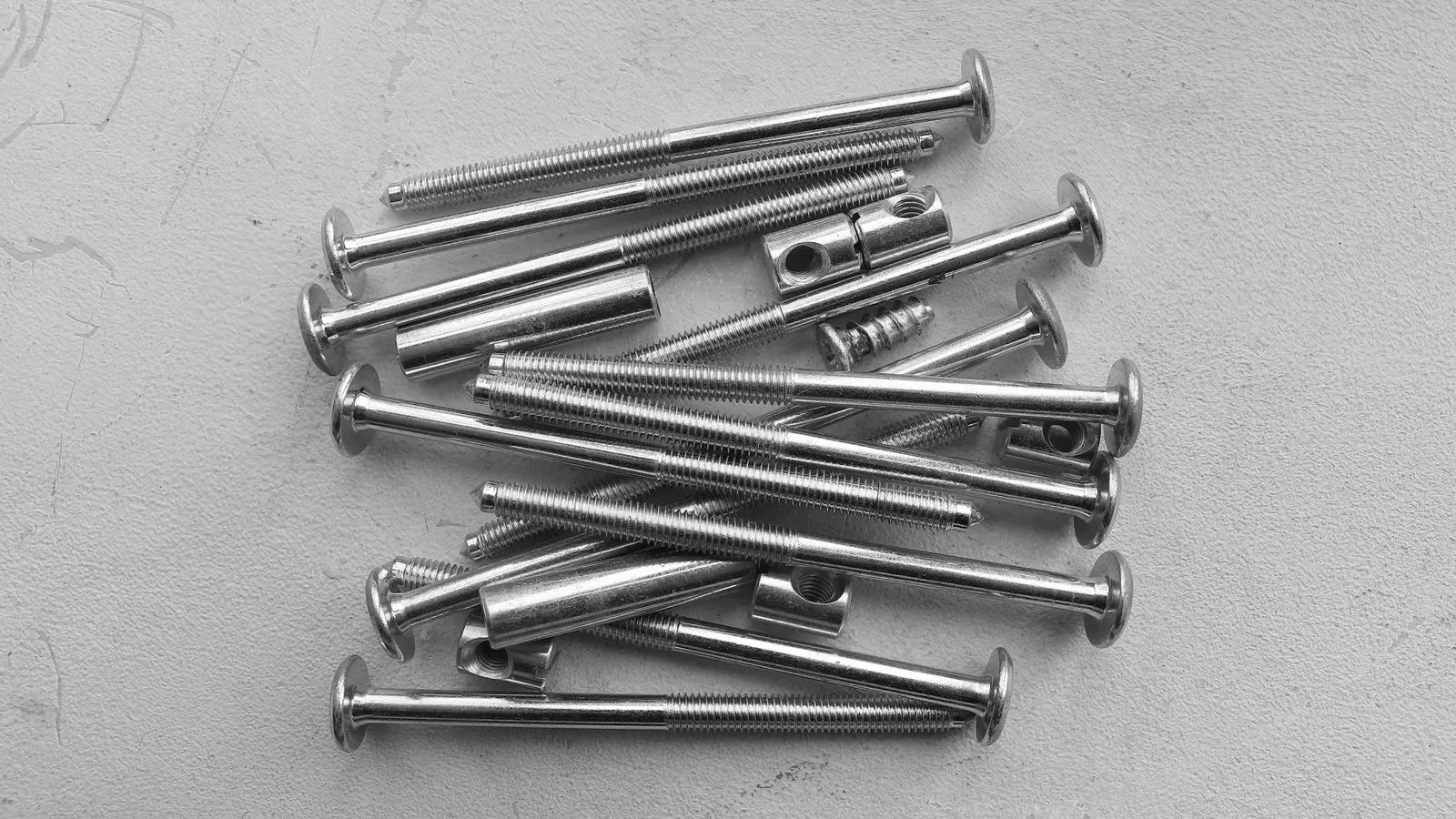
Cost and Lead Time for Coated Fastener Bulk Orders

Coating type, quantity, and finish determine the cost and lead time of coated fastener bulk orders. Larger quantities usually lower unit price but increase total lead time. Clear RFQs with specific coating standards reduce quote variance and speed up sourcing decisions.
- Coating process type is the single largest driver of both unit price and production lead time for bulk fasteners.
- Large quantities reduce per-piece cost but extend total calendar time for plating and inspection.
- A precise RFQ listing the coating standard, thickness, and salt test requirement prevents rework and quote discrepancies.
- Always compare quotes by total delivered cost, including plating fees, freight, and inspection, not just base fastener price.
- Confirm coating adhesion and salt spray results in writing before releasing the full production batch.
What Drives the Price of Coated Fastener Bulk Orders
The base price of a fastener is only the starting point. The final invoice for coated fastener bulk orders depends heavily on the surface treatment applied to the steel. A standard zinc plated hex bolt costs more than a bare one. A nickel plated or PVD coated bolt costs significantly more still. The cost difference covers the chemicals, the energy for the electrochemical process, the bath maintenance, and the labor for cleaning and inspection.
Quantity is the second major factor. Plating lines operate on batch economics. The setup cost for a coating run is fixed. If you order 1,000 pieces, that setup is spread over 1,000 pieces. If you order 10,000, the per-piece cost drops. However, the total cost of the order rises. You must balance the savings per piece against the cash flow required to hold a large batch.
Finish specifications also impact price. A basic zinc plating for general corrosion resistance is cheaper than a black oxide finish, which is cheaper than a bright nickel or a hard chrome plating. Each step up in the finish hierarchy adds cost. If you require a specific salt spray test duration, say 48 hours or 72 hours, the supplier must test the samples to that standard. Testing adds labor and consumes test specimens. These small requirements compound quickly on a large order.
How Coating Lead Times Affect Your Schedule
Coating lead times are often longer than the lead time for the bare fastener. The bare fastener might be in stock. The plating process takes time. A typical electroplating cycle for a large batch involves cleaning, stripping, plating, rinsing, and drying. Each step has a duration. Then the pieces must cure or passivate. Finally, they must be inspected for coating thickness and appearance.
The most critical scheduling factor is the coating process itself. Simple zinc plating moves through the line quickly. Nickel and chrome plating involve longer chemical baths and slower drying. If you need a specific alloy, such as a lead free zinc alloy, the process time may be slightly different. The supplier must also manage the plating bath chemistry. If the bath is out of spec, the run must stop. This creates variability.
Logistics add another layer. Plating facilities are often not where the fastener is manufactured. The bare fasteners ship to the plater. The finished goods ship back. This back and forth extends the total lead time. When you request a quote, ask for the lead time from order confirmation to delivery, not just the plating time. This includes the shipping legs.
How to Write a Clear RFQ for Coating
A vague request for “zinc plated bolts” leads to a wide spread of quotes. Some suppliers will offer a basic flash zinc. Others will offer a heavy zinc coating. The price difference can be substantial. To compare quotes fairly, your RFQ must specify the exact standard. Reference the relevant industry standard for the coating type, thickness, and adhesion. For example, specify the minimum and maximum coating thickness in microns. State the required salt spray test duration.
Include the base metal grade and the fastener geometry. A hex bolt and a machine screw have different surface areas. The surface area determines how much plating material is consumed. A larger surface area means a higher plating cost. If you are ordering a mix of sizes, list them clearly. A combined quote for a mixed lot is harder to price. It is often better to quote each size separately and then bundle them.
Finally, state your quantity and your desired delivery date. If the delivery date is hard, say so. Suppliers often have lead times based on current capacity. If your date is tight, they may need to prioritize your order. That priority may carry a surcharge. If you are flexible, say so. This information helps the supplier plan the production slot. A clear RFQ reduces the number of clarification emails and gets you to the final quote faster.
How to Compare Quotes Fairly
When you receive multiple quotes for coated fastener bulk orders, do not just look at the price per piece. Look at the total landed cost. Ask what is included in the quote. Does it include the base fastener, the plating, the packaging, and the freight? Some quotes are net of freight. Others include it. Compare apples to apples.
Check the coating specification in the quote. Two suppliers may both quote “zinc plated.” One may mean a thin decorative zinc. The other may mean a thick, high corrosion resistance zinc. The price difference reflects the material and process. If the specification is not listed, ask. Do not assume.
Review the lead time terms. Is the lead time from order confirmation or from receipt of payment? Is it a guaranteed date or a target date? Check the penalty for late delivery. If the supplier is late, will they credit you? Will they expedite shipping at their cost? These terms matter more than the initial price when the project schedule is tight.
Cost Drivers and Typical Trade Offs
The table below lists the main factors that influence the price and lead time of a coated fastener bulk order. Use this list as a checklist when reviewing quotes.
| Cost Driver | Impact on Price | Impact on Lead Time |
|---|---|---|
| Coating Type | Zinc is lowest. Nickel and PVD are higher. | Simple plating is faster. Multi stage finishes take longer. |
| Quantity | Higher volume lowers unit price. | Large batches take longer to process and ship. |
| Surface Area | Larger heads and longer shanks cost more to plate. | Processing time may scale with total volume. |
| Salt Test Requirement | Additional testing adds cost. | Sample testing adds calendar days. |
| Base Metal Grade | Higher grade steel costs more. | Supply chain for high grade steel may vary. |
Managing Risk in Bulk Coating Orders
When you order large quantities of coated fasteners, you are committing capital and schedule. The biggest risk is coating failure. If the coating flakes off during handling or fails the salt spray test, you have a problem. To mitigate this, require a pre production sample. Get the sample plated and tested. Approve it in writing before the full batch is run. This is a small cost that saves a large headache.
Keep a small quantity of bare fasteners on hand. If a coating run fails, you can have the bare pieces plated elsewhere. This provides a backup plan. Do not rely on a single supplier for the coating. If possible, have two platers qualified. This gives you flexibility if one facility is short on capacity.
Document the coating process. Ask the plater for their process sheet. What chemicals are used? What is the bath temperature? What is the current density? These details help you verify that the process is consistent. If you have issues with a batch, the process sheet helps you troubleshoot. It also helps you audit the supplier.
Final Thoughts on Sourcing
Coating adds value to a fastener by extending its life. It also adds cost and lead time. The key to managing this is clarity. Know what you need. Specify it clearly. Compare the total cost, not just the unit price. Verify the coating on a sample before the full run. These steps will save you money and keep your project on schedule.
Coated fastener bulk orders are a routine part of industrial sourcing. The process is well understood. The variables are known. By applying a structured approach to your RFQ and quote comparison, you can secure the right finish at the right price and time.
Frequently asked questions
What is the difference between zinc plating and zinc coating?
Zinc plating is an electrochemical process that deposits a thin layer of zinc. Zinc coating is a broader term that can include galvanizing, which is a thicker layer. Plating is generally thinner and gives a smoother finish. Galvanizing provides more bulk protection.
How much does plating increase the cost of a bolt?
The increase depends on the coating type and quantity. A basic zinc plating adds a small percentage to the base fastener cost. A high end nickel or PVD coating can double or triple the cost. Always ask for a breakdown of the plating fee.
Can I get a rush order for coating?
Yes, but it usually costs more. Plating facilities can prioritize orders if you pay a rush fee. The lead time will still be longer than for a standard order. Ask for the rush fee and the new lead time before committing.
What should I check on the coating sample?
Check the adhesion by rubbing the surface. Look for peeling or flaking. Measure the thickness with a micrometer. Do a salt spray test on a few pieces. Compare the results to your required standard.
How long does a standard plating job take?
A standard electroplating job can take from a few days to a couple of weeks. This includes cleaning, plating, rinsing, and curing. The actual chemical bath time may be short, but the full process takes longer. Shipping time to the plater and back also counts.