Comparison: Manufacturer vs Distributor
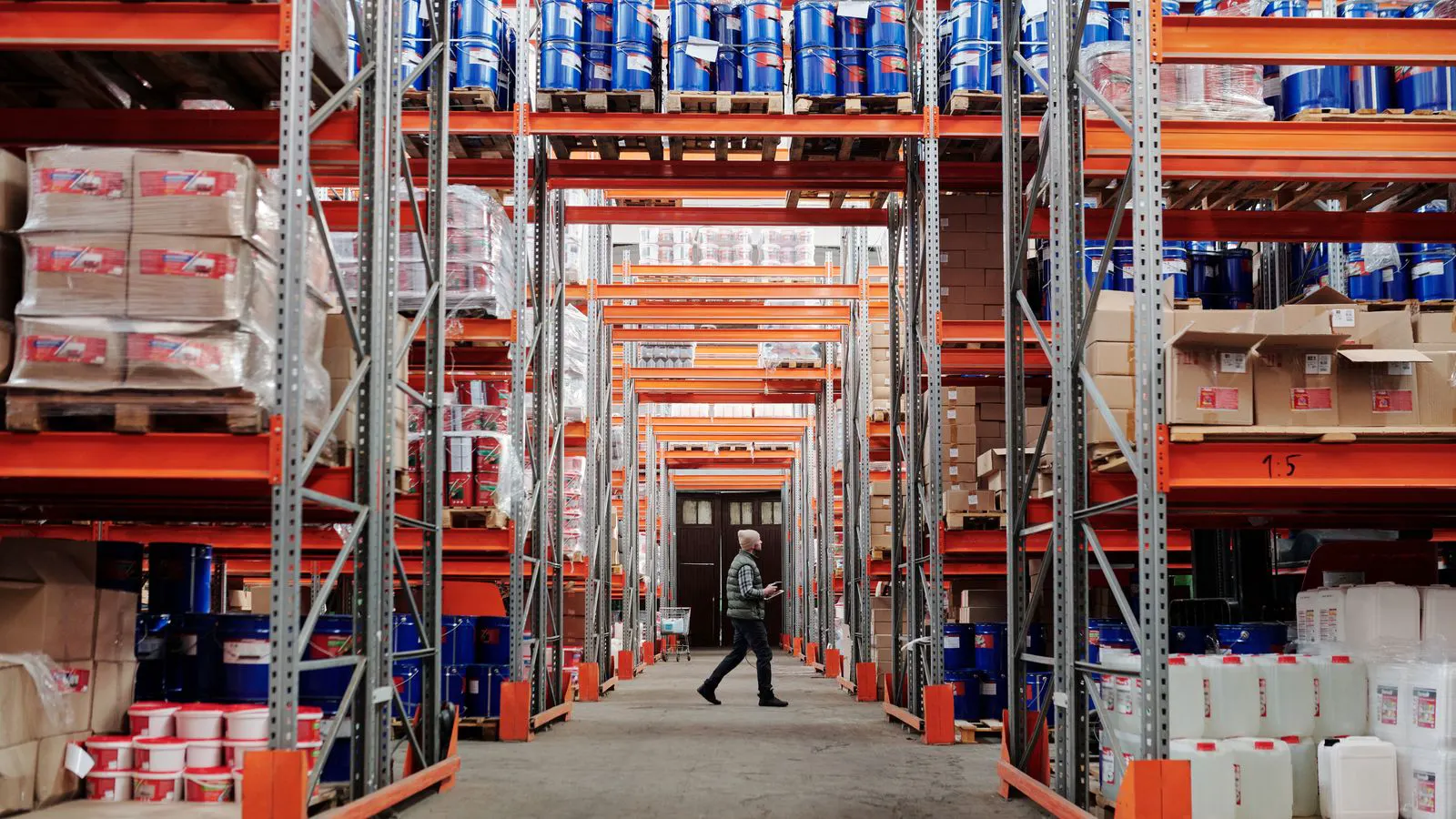
Choosing between a factory and a fastener distributor depends on order volume, technical complexity, and delivery speed. Distributors offer speed and variety; factories offer lower unit costs for large, stable runs. This guide breaks down the trade-offs to help you match the supplier model to your project.
- Distributors provide immediate availability and technical support for mixed and low-volume orders.
- Direct factory sourcing reduces unit cost but requires higher minimums and longer lead times.
- Technical complexity and certification needs often favor distributors with established quality systems.
- Hybrid sourcing strategies allow buyers to balance cost control with delivery reliability.
- Supplier reliability checks must cover communication, quality documentation, and financial stability.
Why the sourcing model affects your line
Fastener procurement is rarely just about the part. The supplier model changes lead times, tooling requirements, and the level of technical support available during assembly. A factory on the other side of an ocean may produce a hex bolt at a lower cost per piece. A local distributor may have that same bolt on a shelf and deliver it within two days.
The right choice depends on the nature of the part, the quantity, and the risk tolerance of the production line. A single bad batch can stop an assembly line. A missing part can delay a customer shipment. The sourcing model must fit the production environment. Consider a production line assembling automotive door panels. The line requires a specific grade of steel self-tapping screw. If that screw is sourced from an offshore factory, the factory may offer a lower price per unit. However, if a new batch fails a torque test, the line stops while the buyer waits for a replacement. If the buyer uses a local distributor, the cost per screw is higher. Yet the distributor can deliver a replacement batch within 48 hours. The line keeps running. The extra cost of the distributor is offset by the avoided downtime.
How the two options compare
| Option | Best for | Limitations |
|---|---|---|
| Direct factory sourcing | High-volume, stable runs, custom specifications, cost-sensitive projects | Long lead times, high minimum order quantities, language and logistics friction |
| Local distributor | Low-volume, mixed SKUs, urgent deliveries, technical support, rapid prototyping | Higher unit cost, limited access to proprietary tooling, less price control |
| Hybrid model | Multi-site production, mixed criticality parts, balancing cost and speed | Complex supply chain management, higher administrative overhead, dual vendor coordination |
| Regional manufacturer | Medium volumes, local technical support, shorter logistics chains | Higher cost than offshore factories, capacity limits, less global reach |
When direct factory sourcing makes sense
Direct factory sourcing works best when the buyer has a large, stable order. If the same fastener is used in high quantities across multiple production cycles, the factory can optimize its tooling and material procurement. This lowers the cost per unit. Think of a manufacturer producing a large run of M8 hex bolts for a commercial construction project. The project requires a steady supply of 100,000 units per month for six months. The buyer can source these directly from a factory. The factory can buy raw steel in bulk, reducing the material cost. The factory can also set up a dedicated stamping press for the bolt heads. This setup cost is spread over the large volume. The result is a lower price per bolt.
The factory can also handle custom specifications more easily. If the part requires a specific thread, a non-standard head shape, or a material grade that is not widely stocked, the factory can develop the tooling. For example, a buyer may need a bolt with a custom head profile to fit inside a specific enclosure. A local distributor may not stock this part. A factory can machine the tooling to produce the custom head. The buyer must provide detailed drawings and clearly defined acceptance criteria. These documents should include thread pitch, head height, surface finish, and material grade. Vague specifications lead to rework. The factory may produce the part, but the buyer may reject it because it does not fit the assembly.
The main drawback is lead time. From order confirmation to delivery, the timeline includes tooling preparation, material procurement, production, quality inspection, and logistics. This creates a long cycle. If the production line needs a replacement quickly, the factory may not be able to respond. The buyer must maintain safety stock or accept the risk of downtime. In practice, this means the buyer must hold inventory for several months. This ties up working capital. If the buyer does not hold this stock, any disruption in the factory’s production or shipping can halt the buyer’s line.
When a fastener distributor is the better fit
A fastener distributor is the preferred model for low-volume or mixed orders. If the buyer needs ten different fastener types for a small batch of products, the distributor can source all of them from their own inventory or from their supplier network. The delivery time is short. The technical support is available on the same day. Consider a prototype team developing a new electronic enclosure. The team needs a mix of M3 screws, M4 standoffs, and a few custom clips. Ordering each part from a separate factory would take weeks. The distributor has these parts in stock. The team receives all the parts in one delivery within a few days. This speed allows the team to iterate on the design quickly.
Distributors also handle certification and documentation. If the buyer needs material test reports, coating certificates, or traceability records, the distributor can provide these documents. This is critical for industries that require strict quality control. The distributor acts as a quality gate between the factory and the buyer. For instance, a medical device manufacturer needs fasteners that are certified for biocompatibility. The distributor can provide the material test reports and the certificates of analysis. The buyer does not need to manage the testing process themselves. The distributor has already completed the necessary checks. This reduces the administrative burden on the buyer’s quality team.
The cost per unit is higher than direct factory sourcing. The distributor adds a margin to cover inventory, storage, logistics, and technical support. For high-volume, standard parts, this margin can be significant. The buyer must evaluate whether the cost is justified by the speed and service. If the buyer is producing a small batch of custom brackets, the extra cost of the distributor is often worth it. The buyer saves time and reduces risk. If the buyer is producing millions of units, the extra cost may be too high. The buyer may need to consider direct sourcing.
Technical support and quality documentation
Technical support is a major factor in the decision. A factory may have an engineering team, but communication can be slow and language barriers can cause misunderstandings. A distributor usually has local engineers who understand the buyer’s production environment. They can advise on material selection, thread compatibility, and coating requirements. For example, a buyer may be using a zinc-plated fastener in a corrosive environment. The distributor’s engineer can advise on a better coating, such as a nickel or stainless steel option. The factory’s engineer may not be aware of the specific environmental conditions. The distributor’s local knowledge can prevent corrosion failures.
Quality documentation is another key area. The buyer must verify that the fastener meets the required specification. This involves material certifications, coating test reports, and dimensional inspection records. A distributor can provide these documents quickly. A factory may require the buyer to send a sample for independent testing. This adds time and cost. The buyer should request sample documentation before placing a large order. This allows the buyer to verify the supplier’s quality system. The supplier should be able to provide a consistent format for these documents. Inconsistent documentation is a warning sign. If the distributor provides a mix of different test reports from different labs, the buyer should investigate why. The documentation should be clear, traceable, and consistent with the supplier’s quality management system.
Cost and lead time trade-offs
Cost and lead time are the two main factors in the sourcing decision. A factory offers a lower cost per unit but a longer lead time. A distributor offers a higher cost per unit but a shorter lead time. The buyer must evaluate the total cost of ownership. This includes the cost of the part, the cost of inventory, and the cost of potential downtime. A long lead time creates inventory risk. The buyer must hold safety stock to cover the production cycle. This ties up capital. A short lead time reduces safety stock requirements but increases the cost per unit. The buyer must balance these two factors.
The buyer should also consider the cost of downtime. If a missing fastener stops the production line, the cost of that downtime may exceed the cost of using a distributor. The buyer must estimate the cost of a delay and compare it to the cost of using a distributor. For example, if a production line costs $10,000 per hour to operate, a two-day delay costs $160,000. If the distributor’s price per unit is 20% higher than the factory’s price, the extra cost may be far less than the downtime cost. The buyer should calculate these figures for each part. This helps in making a rational decision.
Managing the relationship
The sourcing model also affects the relationship between the buyer and the supplier. A factory relationship is often transactional. The buyer places an order, receives the product, and pays. A distributor relationship is often more collaborative. The distributor works with the buyer to solve problems and optimize the supply chain. The buyer should establish clear communication channels with the supplier. This includes regular meetings, clear reporting, and a defined escalation process. The buyer should also monitor the supplier’s performance. This includes on-time delivery, quality defects, and responsiveness to inquiries.
The buyer should also consider the financial stability of the supplier. A financially unstable supplier may have trouble meeting its obligations. The buyer should request financial statements or credit reports. This helps to assess the risk of the supplier failing to deliver. A financially stable supplier is more likely to meet its commitments. A financially unstable supplier may cut corners to save money. This can lead to quality issues. The buyer should be aware of the supplier’s financial health. This is part of the risk assessment.
Hybrid sourcing strategies
Many buyers use a hybrid sourcing strategy. They source high-volume, standard parts from a factory to reduce cost. They source low-volume, critical parts from a distributor to ensure availability. This balances cost and risk. For example, a manufacturer may source standard M4 screws from a factory to reduce cost. The same manufacturer may source custom M6 bolts from a distributor to ensure availability. This approach allows the buyer to optimize the supply chain. The buyer can take advantage of the factory’s lower cost for standard parts. The buyer can also rely on the distributor’s speed for critical parts.
The hybrid model requires more administrative work. The buyer must manage multiple suppliers and coordinate logistics. The buyer must also ensure that the quality standards are consistent across all suppliers. This can be challenging, but it is worth the effort. The buyer should define clear quality standards for both suppliers. The buyer should also monitor the performance of both suppliers. This helps in maintaining consistency.
The hybrid model allows the buyer to adapt to changes in demand. If demand increases, the buyer can increase the order to the factory. If demand decreases, the buyer can reduce the order to the distributor. This flexibility is valuable in a changing market. The buyer can adjust the supply chain to match the demand. This reduces the risk of overstocking or understocking.
Checklist for the decision
- Determine the order quantity and frequency.
- Identify the technical complexity and certification requirements.
- Assess the lead time and inventory risk.
- Evaluate the total cost of ownership.
- Review the supplier’s quality system and financial stability.
- Establish clear communication and reporting channels.
- Test the supplier with a small order before placing a large order.
Final thoughts
The choice between a fastener distributor and a direct factory depends on the specific needs of the buyer. A distributor provides speed, technical support, and flexibility. A factory provides lower cost and access to custom specifications. A hybrid model allows the buyer to balance cost and risk. The buyer should evaluate all factors before making a decision. The goal is to find a supplier model that fits the production environment and the business goals. The right choice will reduce risk and improve the overall supply chain.
Frequently asked questions
When is it better to buy directly from a factory?
Direct factory sourcing is better for high-volume, stable orders where cost per unit is the primary concern and the buyer can manage longer lead times.
What are the main advantages of using a fastener distributor?
Distributors offer faster delivery, technical support, and access to many fastener types, which is useful for low-volume or mixed orders.
How can a buyer verify the quality of fasteners from a factory?
The buyer should request material test reports, coating certificates, and dimensional inspection records, and consider sending a sample for independent testing.
Is a hybrid sourcing strategy practical for most buyers?
Yes, many buyers use a hybrid model, sourcing high-volume parts from factories and critical or low-volume parts from distributors to balance cost and risk.
What should a buyer check before placing a large order with a new supplier?
The buyer should check the supplier's financial stability, quality system, communication channels, and performance history, and test the supplier with a small order first.


