Explainer: How Supplier Stock Levels Affect Bolt Availability
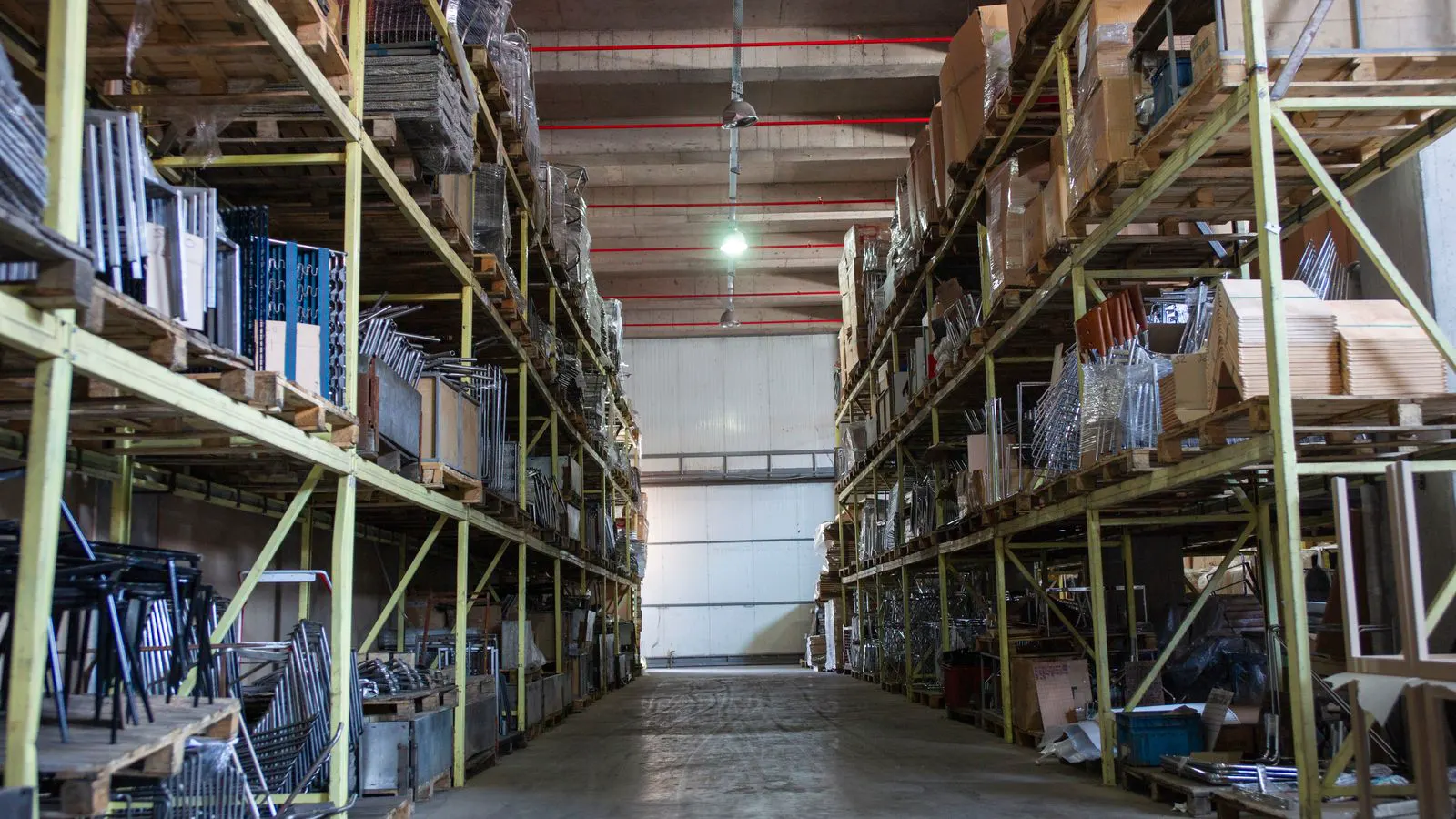
Supplier stock levels determine whether a vendor can meet your delivery schedule. This explainer defines inventory policies, shows how warehouse capacity affects bolt availability, and provides a plain-language worked example for your sourcing strategy.
- Supplier stock levels define the difference between a standard lead time and an expedited production run.
- Inventory management policies determine whether a vendor sells from finished goods or builds to order.
- A clear sourcing strategy requires matching your order profile to the vendor's warehouse capacity and stocking model.
A vendor may quote a two-week lead time and still miss your production deadline. The gap usually appears between the quote and the warehouse floor. Supplier stock levels decide whether the material is already on the shelf, in a container, or still in the mill. Understanding these levels changes how you plan delivery schedules.
What Defines Supplier Stock Levels
Supplier stock levels refer to the quantity of fasteners a vendor holds ready for immediate release. This includes finished bolts on racking, raw material in storage, and work-in-progress items waiting for heat treatment or plating.
The term covers both quantity and location. A supplier with high inventory of grade 8.8 bolts in their local warehouse has a different profile than one holding the same grade in a distant regional hub. Delivery time depends on both factors.
Stock levels also reflect the vendor’s production rhythm. Some fastener houses keep a large buffer of standard items. Others run lean operations and produce only after receiving an order. Both models work, but they affect your sourcing strategy in opposite ways.
How Inventory Management Shapes Delivery
Inventory management is the process of tracking, storing, and replenishing stock. For fastener suppliers, this involves managing raw steel, intermediate products, and finished goods.
Effective inventory management reduces the risk of stockouts. When a supplier tracks movement by bin location, lot number, and heat certificate, they can release material quickly. When tracking is loose, orders wait for verification.
There are two common approaches. The first is a stock model. The vendor buys or produces ahead of demand and holds finished items. This supports fast release times but ties up capital in inventory.
The second is a make-to-order model. The vendor begins production once the order is confirmed. This lowers carrying costs but extends lead times. It also requires the supplier to secure raw material before starting.
How Warehouse Capacity Affects Bolt Availability
Warehouse capacity is the physical space and handling power available for storage. It includes racking systems, pallet positions, and floor space for bulk containers.
High capacity allows a supplier to hold multiple sizes and grades simultaneously. This supports larger order volumes and mixed-container shipments. If a warehouse is full, incoming stock must wait. Outgoing stock may also face delays if picking staff cannot locate items efficiently.
Capacity also affects the types of fasteners a vendor can store. Long hex bolts require different racking than small machine screws. A supplier without proper storage for long items may limit their available sizes.
When evaluating a vendor, check their physical footprint. A single small unit may handle standard items well but struggle with bulk orders. A multi-site operation can distribute stock closer to your plant, reducing transit time.
How Stock Policies Influence Your Sourcing Strategy
Every vendor has an implicit stock policy. Some prioritize turnover and keep minimal inventory. Others prioritize availability and hold large reserves. Your sourcing strategy must align with the vendor’s approach.
If you order the same size and grade monthly, a stock-based supplier fits well. They can release from inventory and meet short lead times. If you need custom lengths or specialty coatings, a make-to-order supplier may be more reliable.
The policy also affects pricing. Stock items often carry standard margins. Items built to order may include setup costs and longer production windows. You must factor these costs into your total sourcing strategy.
A clear sourcing strategy also includes backup options. If your primary vendor runs low on a specific grade, you need a secondary source. This reduces the risk of a production stoppage.
Worked Example in Plain Words
Consider a manufacturer that uses 10 millimeter grade 10.9 socket cap screws every month. The supplier has a stock model. They hold 5,000 pieces in their local warehouse. The manufacturer places an order for 1,200 pieces.
The supplier checks the bin. The quantity is available. They pick, pack, and ship within two days. Delivery arrives in three days. The manufacturer receives the material with no production delay.
Now consider a different scenario. The same manufacturer orders 20 millimeter grade 10.9 bolts. The supplier does not stock this size. They must source raw bar stock, machine the bolts, and apply a coating. The production run takes several weeks. The supplier confirms a six-week lead time.
The manufacturer must adjust their production schedule or find a different supplier. The difference is not the bolt quality. It is the stock policy. The first order was a stock release. The second was a production order.
How to Check Supplier Stock Levels Before Ordering
Ask direct questions during the vendor evaluation. Request the current stock status for each size and grade you need. A reliable supplier will provide this information without hesitation.
Ask about their inventory management system. Do they track stock by lot number? Do they hold material certificates with each batch? These details indicate how well they manage their stock.
Check their warehouse capacity. If you order in bulk, confirm they have the space to hold and ship your order. Ask about their picking and packing process. Efficient processes reduce errors and speed up release.
Review their lead time claims. Compare the quoted lead time against their stock policy. A two-week lead time makes sense for a make-to-order item. A two-day lead time suggests a stock release.
Use the Checklist for Reviewing Supplier Lead Time Claims to verify these statements. Cross-reference the vendor’s claims with their inventory model. This reduces the risk of a missed delivery.
Common Mistakes in Stock Planning
Buyers often assume that a low price means fast delivery. A low price may reflect a make-to-order model. The cost may be lower, but the lead time may be longer.
Another mistake is ignoring stock rotation. If a supplier holds stock for a long time, the material may have changed. For some grades, material properties can shift if stored improperly. Ask about their stock rotation policy.
A third mistake is over-reliance on a single vendor. If one supplier holds all your stock, a disruption in their warehouse can halt your production. A balanced sourcing strategy includes secondary suppliers.
Finally, do not assume that large inventory means high quality. Stock levels are a logistics factor. Quality depends on the manufacturing process, heat treatment, and coating application. Evaluate both independently.
How Stock Levels Interact with Material Certificates
Every fastener lot should carry a material certificate. The certificate confirms the chemical composition and mechanical properties of the steel. Supplier stock levels affect how easily you can retrieve these documents.
A supplier with organized inventory can locate the certificate for a specific lot quickly. They can match the lot number on the packing slip to the certificate in their records. A supplier with loose inventory may take days to find the document.
This delay can affect your quality audit. If you need the certificate before releasing the material into production, slow access becomes a problem.
Ask how the supplier stores certificates. Do they keep digital copies linked to each lot? Do they print a copy with the shipment? These details show how well they manage their inventory management process.
What to Ask in Your Supplier Evaluation
During the initial evaluation, ask these questions:
- What is your current stock status for the items we discussed?
- Do you hold material certificates for every lot in your warehouse?
- What is your typical lead time for stock items versus make-to-order items?
- How do you manage inventory rotation for long-held stock?
- What is your warehouse capacity for bulk orders?
- Can you provide a sample of your material certificate for a recent lot?
These questions reveal the vendor’s inventory management practices. They also help you match their stock policy to your sourcing strategy.
A supplier with clear answers and organized records is easier to work with. Their stock levels become a predictable factor in your delivery planning. A supplier with vague answers may require more oversight.
The right supplier aligns their stock levels with your production needs. If you need fast release, choose a stock-based vendor. If you need custom items, choose a make-to-order vendor with reliable production capacity.
Supplier stock levels are a practical factor in fastener sourcing. They determine whether your order is a simple release or a complex production run. By understanding these levels, you can plan deliveries more accurately.
How to Track Stock Levels Over Time
Your relationship with a supplier changes over time. Stock levels may rise or fall based on demand. A vendor who was fully stocked last year may be low this year.
Track their performance regularly. Note the lead times for each order. Compare the quoted lead time to the actual delivery time. This data shows how well their inventory management supports their stock levels.
If lead times drift, ask why. Is the warehouse full? Is the raw material supply delayed? Is the production line running slow? These answers help you adjust your sourcing strategy.
A reliable supplier will explain the delay and provide a revised date. They may also offer alternatives, such as a partial shipment or a substitute grade. This flexibility is a sign of strong inventory management.
Your sourcing strategy should include review points. Check your vendor’s performance every quarter. Update your stock planning based on the data. This keeps your delivery schedules aligned with reality.
Supplier stock levels are not just a number in a spreadsheet. They are the physical reality of your supply chain. When you understand these levels, you can make better decisions. You can choose the right vendor for each order. You can plan your production with confidence.
The key is to match your needs to the vendor’s model. A stock-based supplier works for standard items. A make-to-order supplier works for custom items. A balanced sourcing strategy uses both.
By asking the right questions and tracking performance, you can manage bolt availability effectively. You can reduce the risk of delays and keep your production running. This is the practical approach to supplier selection.
Frequently asked questions
What is the difference between a stock item and a make-to-order item?
A stock item is already manufactured and held in the warehouse. A make-to-order item is produced after the order is received.
How do supplier stock levels affect lead times?
Stock items have short lead times because they are ready to release. Make-to-order items have longer lead times because they require production.
Should I ask for current stock levels before placing an order?
Yes. This confirms the vendor can release the material when you need it. It also reveals their inventory management practices.
How do I know if a supplier has enough warehouse capacity?
Ask about their physical footprint and bulk handling. Check if they can store and ship your order volume without delay.
What happens if a supplier runs out of a specific grade?
The order becomes a make-to-order run. Lead times extend, and you may need a secondary supplier to cover the gap.