Explainer: How MOQs Drive Bulk Fastener Unit Costs
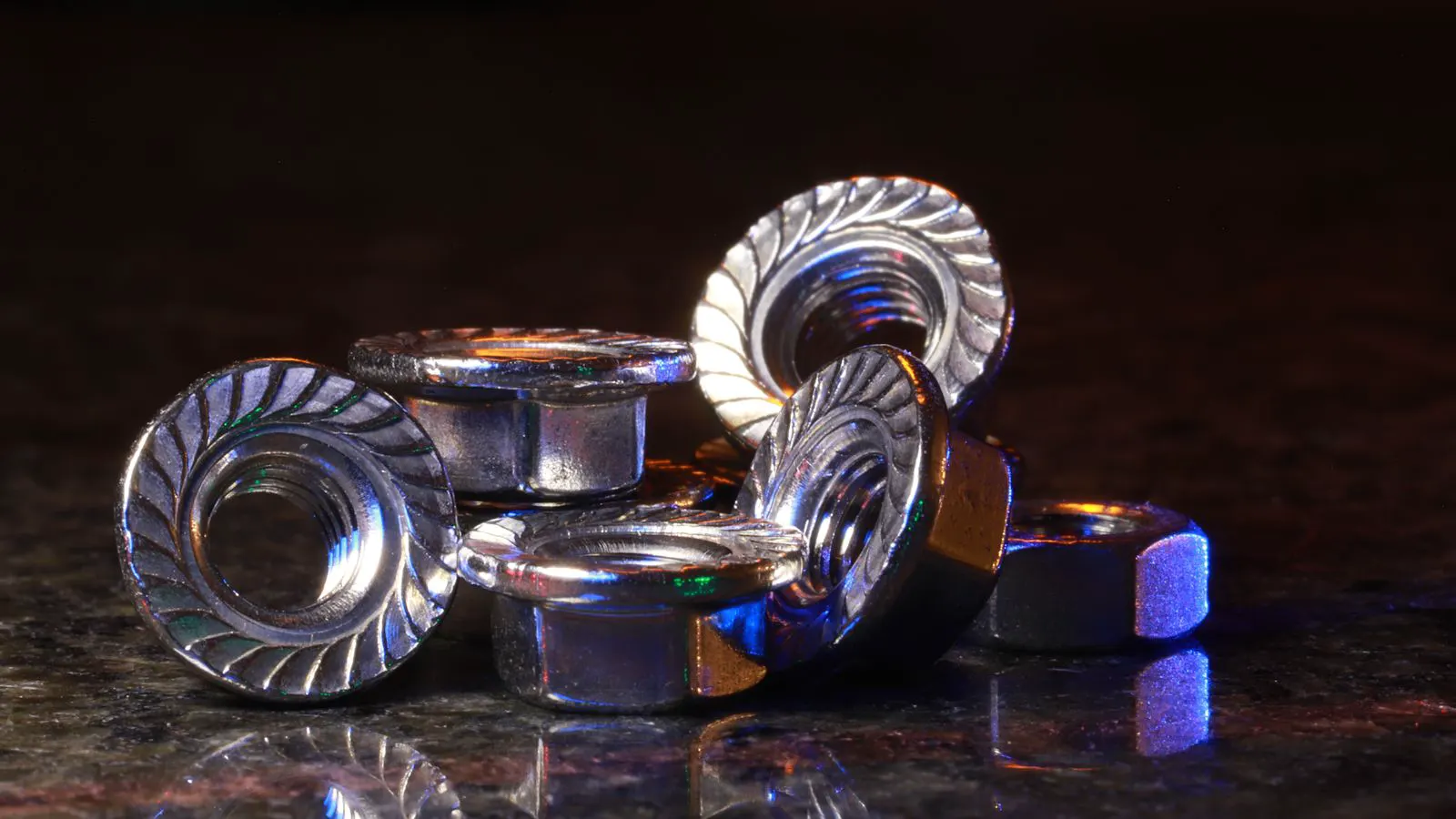
MOQ fasteners set the floor for unit price fasteners because fixed costs get spread over a larger quantity. Understanding this mechanic helps engineers plan bulk fastener cost and avoid overbuying or underbuying.
- MOQs spread fixed setup and tooling costs across more units.
- Higher volumes lower the per-piece cost but raise storage and cash flow needs.
- Mixed material or size orders can complicate MOQ calculations.
- Negotiating tiered pricing can reduce the impact of strict minimums.
- Plan inventory cycles to align production needs with order quantities.
What Is a Minimum Order Quantity
A minimum order quantity, or MOQ, is the smallest batch a supplier will produce or ship. It appears in quotes, supplier terms, and contract clauses. For standard catalog bolts, nuts, and washers, MOQs are often lower than for custom parts. A supplier may require a single pallet size for a specific hex bolt head. For custom metric fasteners, the MOQ might be tied to stamping dies or threading tooling.
The MOQ is not just a number on a purchase order. It defines the economics of the deal. When a factory sets a minimum, it is protecting its margin. Setup times, quality checks, and packaging all happen before the first unit ships. The MOQ ensures those costs are recovered.
How Fixed Costs Drive the Unit Price
Unit price fasteners drop as the order volume rises. This happens because fixed costs stay constant while variable costs increase linearly. A factory pays for a machine setup whether it makes five hundred pieces or five thousand. The cost per piece falls as the denominator grows.
Consider a threading operation. The machine operator spends time loading the die and calibrating the pitch. That time is a fixed cost. If the order is small, that setup time makes up a large share of the total price. If the order is large, the setup cost becomes a small fraction of each bolt.
Variable costs behave differently. Raw material, plating, and packaging scale with quantity. But because fixed costs are spread wider, the total unit cost usually declines. This curve is why bulk fastener cost is a central topic in procurement.
The Role of Tooling and Customization
Custom fasteners carry different MOQ dynamics than standard items. A standard M8 x 25 hex bolt is likely stocked in many sizes. A supplier may offer a low MOQ because the tooling exists and the material is on hand. A custom fastener, such as a specific head shape or a non-standard thread, requires new dies or custom tooling.
When tooling is required, the MOQ often increases. The supplier may ask for a larger initial order to amortize the die cost. In some cases, the tooling is paid for separately and not built into the unit price. This changes the cost structure. The unit price might be lower, but the upfront capital requirement is higher.
Engineers must distinguish between stock and non-stock items when reviewing quotes. A standard fastener with a low MOQ offers flexibility. A custom part with a high MOQ demands careful planning. Misreading this difference leads to cash flow issues or excess inventory.
How Mixed Orders Affect Sourcing Decisions
Buyers often need multiple sizes and grades in one project. Mixing standard and custom items in a single order can complicate MOQ calculations. A supplier may calculate the MOQ per SKU or per material lot.
If an order contains ten different bolts, the supplier might apply a lower MOQ to each size. Or it may apply a higher MOQ to the total order to justify production scheduling. The terms matter. A quote that says “minimum 5,000 pieces per size” is different from “minimum 5,000 pieces total.”
This distinction affects how engineers plan their sourcing. If they can consolidate similar items, they may hit a lower per-unit price. If they must order many distinct sizes, the total volume might be high, but the unit cost per size remains higher.
A Worked Example in Plain Words
Imagine a project requiring hex socket cap screws in two sizes. One size is a standard grade, and the other is a custom head shape. The supplier quotes a unit price for the standard size based on a 10,000-piece order. The custom size requires a new die and has a 20,000-piece MOQ.
If the engineer orders exactly 10,000 standard screws and 20,000 custom screws, the total order is 30,000 pieces. The fixed setup costs for the standard size are spread over 10,000 units. The fixed setup costs for the custom size are spread over 20,000 units. The custom unit price is higher because the die cost is built into the price.
If the engineer splits the order into two separate shipments, the fixed costs are paid twice. The total cost rises. If the engineer combines the orders into one production run, the supplier may reduce the unit price for the standard size to offset the higher volume of the custom size. The engineer must compare the total cost of the combined order against the sum of the separate orders.
The Impact of Material and Plating
Material choice and surface treatment affect MOQs and unit costs. Standard carbon steel fasteners are usually cheaper than stainless steel or titanium. Plating processes, such as zinc plating or cadmium plating, add cost and time.
A supplier may set a higher MOQ for plated items because the plating line has setup times. The plating tank needs to be prepared, and the parts must be cleaned. These steps add fixed costs. If the order is small, the plating cost per piece is higher.
Engineers must consider the lifecycle cost, not just the unit price. A more expensive fastener with a longer service life may be worth the premium. The MOQ influences this calculation. If the MOQ is high, the engineer must store more inventory, which adds carrying costs.
Negotiating Tiered Pricing and MOQs
Many suppliers offer tiered pricing. The unit price drops at certain volume breakpoints. For example, the price is one rate for 5,000 pieces and a lower rate for 15,000 pieces. The MOQ is the lowest point in the first tier.
Engineers can negotiate these terms. If a project needs 12,000 pieces, the engineer can ask if the price can be moved to the higher tier if the order is increased to 15,000. This may require holding extra inventory. The trade-off is between lower unit cost and higher carrying cost.
Some suppliers will waive the MOQ for long-term contracts or strategic accounts. In exchange, the buyer may agree to a larger annual volume. This arrangement stabilizes the supplier’s production schedule and can lead to better pricing.
Managing Inventory and Cash Flow
High MOQs tie up capital. Money is spent on fasteners before they are used in the product. Storage space is occupied. There is a risk that the fasteners may become obsolete if the design changes.
Engineers should align MOQs with production cycles. If a project runs for six months, ordering a one-year supply might be excessive. If a project runs for one month, ordering a three-month supply might be too little. The goal is to match the order quantity to the usage rate.
For critical parts with long lead times, a higher MOQ may be acceptable. For parts with short lead times, a lower MOQ is preferable. The engineer must balance supply risk against inventory cost.
Common Mistakes in MOQ Planning
A common error is assuming that a lower unit price always means a lower total cost. If the MOQ forces the purchase of more fasteners than needed, the total cost can rise. Excess inventory leads to storage fees, handling costs, and potential obsolescence.
Another mistake is ignoring the quality implications of large batches. If a large batch arrives with a defect, the entire order may need rework or replacement. Smaller batches can isolate problems and reduce waste.
Finally, engineers often fail to communicate lead times to the supplier. If the supplier needs time to produce a large batch, the delivery date may shift. The engineer must factor production time into the project schedule.
How to Verify Quote Terms
When reviewing a quote, check the exact wording of the MOQ. Is it per size, per material, or per total order? Are tooling costs included or separate? Are there price breaks at higher volumes?
Ask the supplier about lead times for the MOQ. A large order may take longer to produce than a small one. The supplier should provide a timeline that includes setup, production, inspection, and packaging.
Review the payment terms. A large MOQ may require a larger deposit. This affects cash flow. The engineer should confirm that the terms are acceptable before signing the purchase order.
Final Considerations
MOQs are a core part of fastener sourcing. They determine the unit price and shape the procurement strategy. Engineers must understand the mechanics of volume-based pricing to make informed decisions.
The goal is not to always buy the cheapest unit price. The goal is to find the total cost that fits the project needs. This includes material cost, tooling, storage, and risk. A balanced approach to MOQs leads to better outcomes.
By understanding how MOQs drive bulk fastener unit costs, engineers can negotiate better terms and plan inventory more effectively. This knowledge supports efficient sourcing and reliable project delivery.
Frequently asked questions
Can I order fewer than the MOQ if I pay more?
Some suppliers will accept smaller orders for a premium price. This is more common for standard items than custom parts.
Does the MOQ change if I order from multiple suppliers?
Yes. Splitting an order across suppliers can change the effective MOQ per supplier. Each supplier may have its own minimum requirement.
How do tooling costs affect the unit price?
Tooling costs are often built into the unit price for custom fasteners. This raises the per-piece cost for the initial order.
Can I get a lower unit price by ordering a larger quantity?
Yes. Larger orders spread fixed costs over more units, which typically lowers the unit price.
What happens if I do not use all the fasteners in the order?
Unused fasteners become inventory. They occupy storage space and tie up capital. They may also lose value if the design changes.


