Zinc vs Stainless: Which Coating Lowers Long-Term Fastener Cost
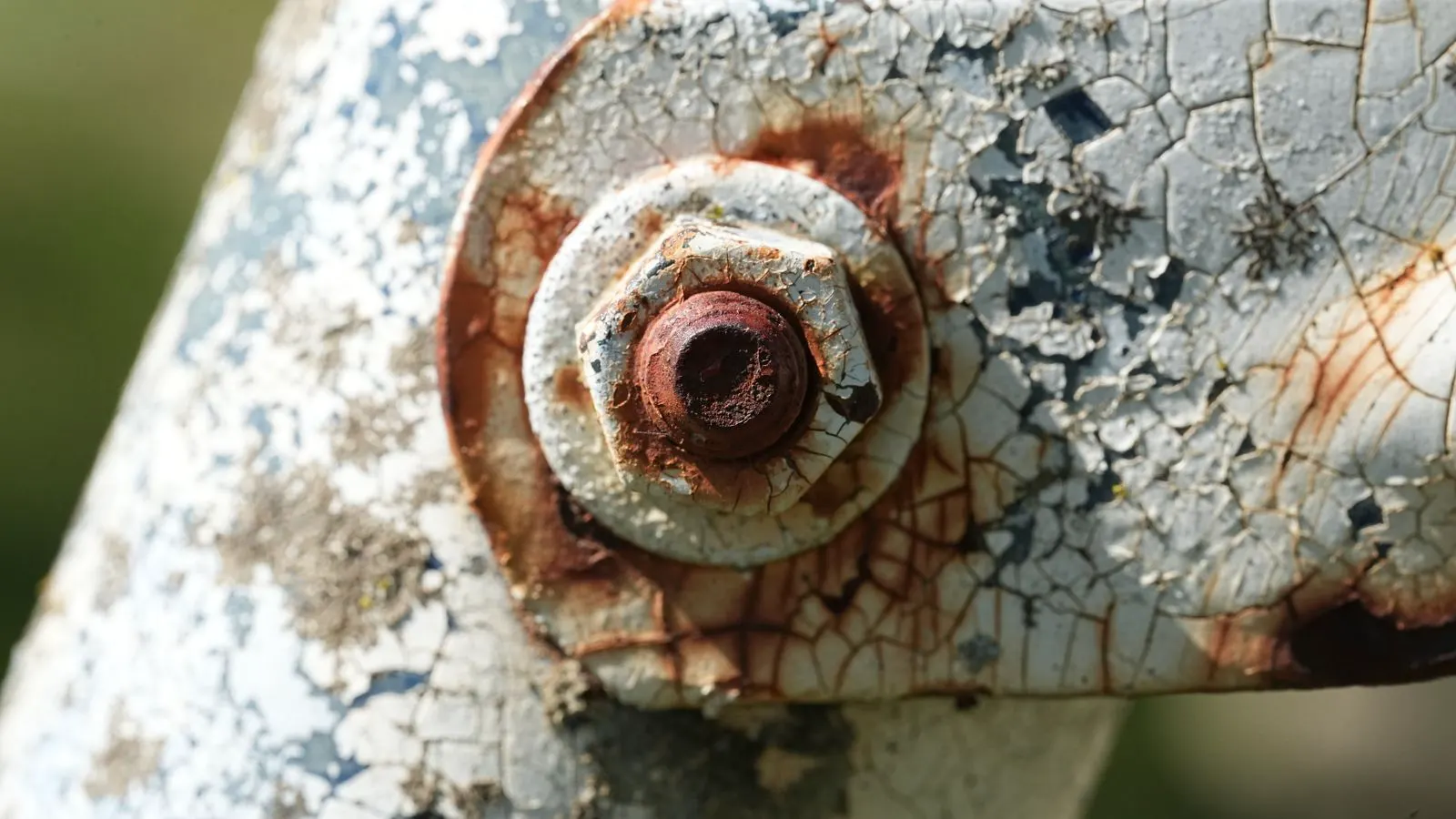
Zinc plating usually lowers initial fastener coating cost, while stainless steel offers higher durability. Choose based on corrosion exposure, service life, and total replacement frequency to optimize long-term procurement budgets.
- Zinc plating reduces upfront fastener coating cost but requires more frequent replacement in harsh environments.
- Stainless steel increases initial stainless bolt price but extends service life and reduces maintenance.
- Total cost of ownership depends on corrosion exposure, part lifespan, and downtime risks.
- Reviewing quote breakdowns helps identify hidden costs like passivation and rework.
- Batch consistency matters when comparing long-term procurement budgets.
Is Zinc Plating the Lower Initial Cost Option
Zinc plating is the most common answer to questions about fastener coating cost. It is a thin electroplated layer applied to carbon steel or alloy steel bases. The process is well established and widely supported by suppliers, which keeps the per-piece price low.
For standard hex bolts, machine screws, and self-tapping screws, zinc plating is often the default choice. It provides a baseline level of corrosion protection and a visible silver finish. The plating thickness is thin, usually measured in microns, and the process does not require a special base material.
The low cost comes from two factors. The base steel is cheaper than stainless grades. The plating process is fast and can be applied to large volumes with high throughput. Suppliers can run tight tolerances on zinc parts without significant setup changes.
However, the low initial price does not mean the total cost is always lower. If the part works in a coastal environment, a chemical plant, or a location with high humidity, zinc may fail sooner. The coating can chip, wear, or corrode at edges. When the part fails, the replacement cost includes the fastener itself, the labor to remove the damaged part, and any downtime.
How Stainless Steel Changes the Cost Equation
Stainless steel does not rely on a surface coating in the same way. The resistance comes from the base material. A stainless bolt price is higher than a zinc plated equivalent because the alloy contains chromium, nickel, and other elements that create a passive oxide layer.
Stainless parts do not rust in the same way carbon steel does. They are used where the fastener must stay in service for years without replacement. This is common in marine applications, food processing, chemical plants, and outdoor structures.
The initial cost is higher. A stainless hex bolt costs more per piece than a zinc plated hex bolt. The price gap widens with higher alloy grades. For standard 300 series stainless, the cost increase is moderate. For specialty grades, the cost can be significantly higher.
The trade off is replacement frequency. A stainless part may serve a project for its full design life. A zinc part in the same environment may need replacement in a fraction of that time. When calculating the budget, you must account for the number of replacements over the service period.
Comparing Zinc and Stainless by Application
The right choice depends on where the fastener will work. The table below summarizes the main options for different scenarios.
| Option | Best for | Limitations |
|---|---|---|
| Zinc plated carbon steel | Dry indoor environments, low corrosion exposure, high volume standard parts | Shorter life in wet or chemical environments, coating can chip |
| Stainless steel | Marine, outdoor, chemical, and food processing applications | Higher initial price, lower strength than some steels |
| Zinc plated with additional coating | Moderate corrosion exposure where base zinc is not enough | More complex process, higher cost than plain zinc |
| Hot dipped galvanic zinc | Outdoor structural parts and high exposure areas | Thicker coating, less precise dimensions, higher cost |
| Stainless with passivation | Chemical and marine environments where surface protection matters | Passivation adds cost, requires proper surface preparation |
For dry indoor assemblies, zinc plating is usually the cost winner. The part does not face significant corrosion, so the low initial price holds up well. The replacement frequency is low, and the total cost of ownership favors zinc.
For outdoor structures, stainless steel often wins on lifetime cost. The initial price is higher, but the part does not need replacement. The labor and downtime avoided can make the stainless option cheaper over a ten or twenty year service life.
For chemical plants, the choice is more complex. Some chemicals attack stainless steel more aggressively than they attack zinc. In those cases, a specialty alloy or a different coating may be needed. The fastener coating cost is only one part of the calculation. Material compatibility is the first requirement.
How to Calculate Total Cost of Ownership
Total cost of ownership includes more than the price on the quote. It includes the cost of failure. A fastener that fails early can cause a larger problem than the fastener itself.
Start with the unit price. Get quotes for the same part in both zinc and stainless. Compare the price per piece, not just the line item on the invoice. Ask for the base material grade and the coating process. A quote for zinc plated steel and a quote for stainless steel should list the specific standards or specifications used.
Next, estimate the service life. This is where many buyers make a mistake. They compare the unit price and stop. A zinc bolt may last two years in a coastal environment. A stainless bolt may last twenty. The replacement cost over twenty years includes ten zinc bolts, not one stainless bolt.
Add labor and downtime. Removing a corroded fastener takes more time than installing a new one. If the part is in a machine that must stop for service, the downtime cost can exceed the fastener price. For critical assemblies, the risk of failure is not just a cost item. It is a reliability issue.
Finally, factor in maintenance. Stainless parts do not need the same level of inspection for coating failure. Zinc parts may need periodic checks for pitting or loss of coating. The inspection labor is a real cost, even if it is small.
Common Procurement Mistakes in Coating Cost Analysis
Buyers often make the same errors when comparing zinc and stainless. The first mistake is comparing only the unit price. This ignores the service life and replacement frequency.
The second mistake is assuming all stainless is the same. Different grades have different corrosion resistance and different prices. A standard 300 series stainless bolt costs less than a specialty grade. If the application requires higher corrosion resistance, the price difference matters.
The third mistake is ignoring batch variation. Coating processes are not perfectly consistent. A batch of zinc plated parts may have a slightly different coating thickness than another batch. A batch of stainless parts may vary in alloy composition. When comparing long-term procurement budgets, batch consistency affects both cost and performance.
The fourth mistake is not reviewing the quote breakdown. A quote should list the base material, the coating process, the coating thickness, and any additional treatments. If the quote is vague, the price may hide extra costs. Passivation, rework, and inspection fees can add to the total.
When to Pick Each Option
Pick zinc plating when the environment is dry, the part is not in chemical contact, and the replacement cycle is short. It is the best choice for high volume standard parts where the initial cost must be low. It is also the best choice when the design life is short and the part will be replaced anyway.
Pick stainless steel when the environment is wet, the part is outdoors, or the service life is long. It is the best choice for marine, chemical, and food processing applications. It is also the best choice when labor and downtime are high and a failed fastener would be expensive to fix.
Pick a zinc plated part with an additional coating when the corrosion exposure is moderate. This is a middle path between plain zinc and stainless. It costs more than plain zinc but less than stainless. It is useful for outdoor assemblies that do not face severe chemical attack.
Pick hot dipped galvanic zinc for structural parts in high exposure areas. The thicker coating provides better protection than electroplated zinc. It is common in outdoor steel structures and utility applications. The cost is higher than electroplated zinc, but the protection is better.
Pick stainless with passivation for chemical and marine environments. Passivation improves the surface protection of stainless steel. It is a standard practice for many stainless fasteners. The cost is slightly higher than plain stainless, but the protection is better.
The decision is not just about the fastener coating cost. It is about the total cost over the service life of the part. A lower initial price is not always a lower total cost. A higher initial price is not always a higher total cost. The answer depends on the application.
Frequently asked questions
Is zinc plating always cheaper than stainless steel?
Zinc plating is usually cheaper per piece because it uses a cheaper base material and a faster process. Stainless steel costs more upfront but can be cheaper over a long service life if replacements are avoided.
How does corrosion exposure change the cost comparison?
High corrosion exposure shortens the life of zinc plated parts. This increases the total cost because the part must be replaced more often. Stainless steel resists corrosion better, so its cost advantage grows in wet or chemical environments.
What should I look for in a fastener coating cost quote?
Look for the base material grade, the coating process, the coating thickness, and any additional treatments. A clear quote should show how the price is built so you can compare options accurately.
Can I use zinc plated fasteners in outdoor applications?
Yes, but zinc plating may not last as long as stainless steel outdoors. The coating can chip or corrode over time, especially in salt air or high humidity. For long outdoor service, stainless or hot dipped galvanic zinc is often a better choice.
Does stainless steel cost more because of the coating?
No, stainless steel costs more because of the base alloy. The chromium and nickel in the steel create corrosion resistance. There is no separate coating layer in the same way as zinc plating.


