Comparison: Aluminum vs Titanium Fasteners for High-End Aerospace
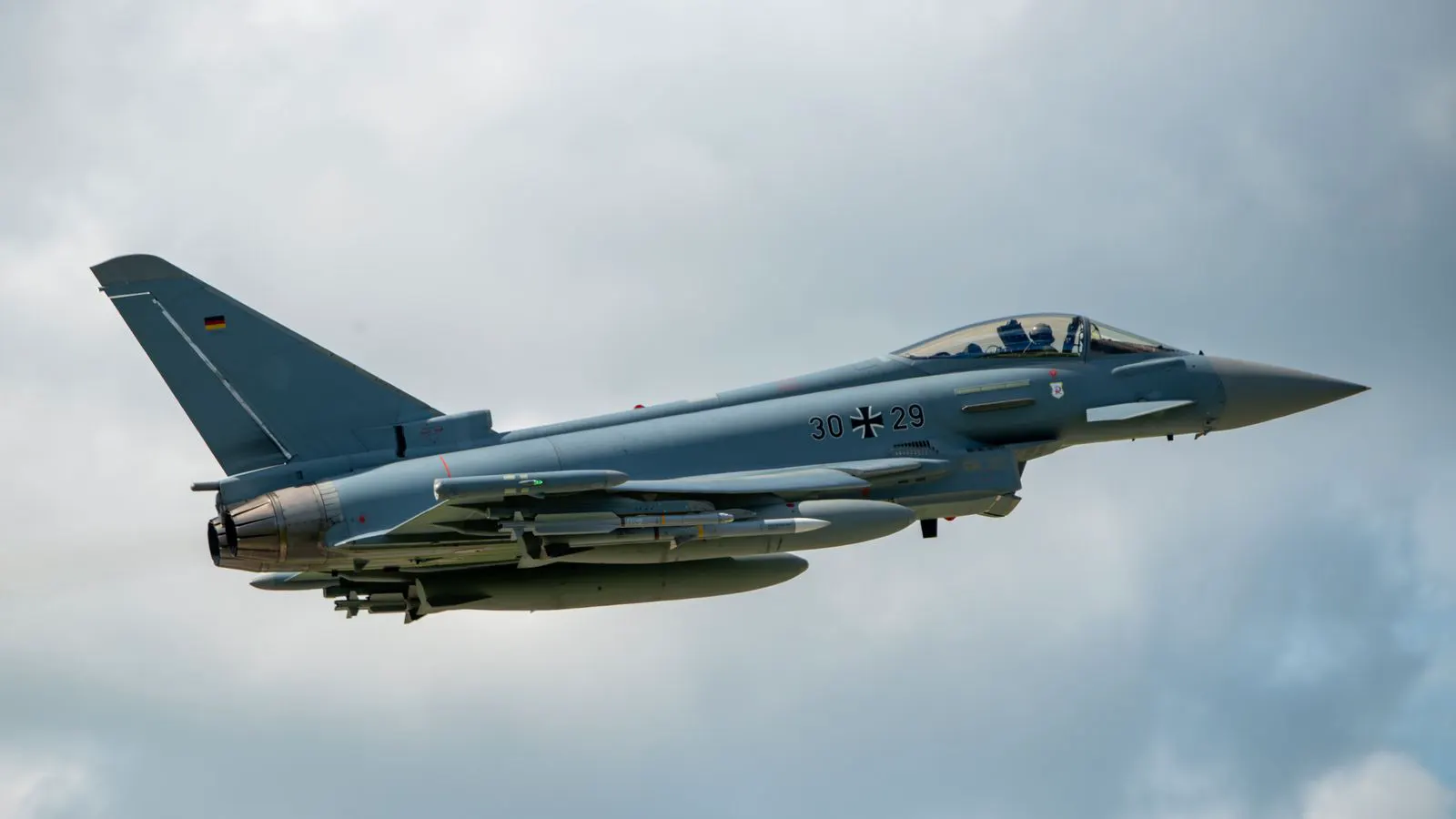
Titanium fasteners offer higher strength-to-weight and better corrosion resistance than aluminum. Aluminum provides lower cost and easier machining. Engineers must weigh specific gravity, fatigue limits, and galvanic compatibility for each aerospace component.
- Titanium fasteners provide superior specific strength and heat resistance for critical load-bearing aerospace roles.
- Aluminum fasteners remain the standard for non-critical structural parts due to lower cost and ease of fabrication.
- Mixed material assemblies require careful galvanic isolation to prevent rapid corrosion at the joint interface.
- Surface coatings add complexity to titanium and aluminum pairs and require matching thermal expansion properties.
- Selection depends on load path, service temperature, and the long-term maintenance budget of the airframe.
Core Material Properties and Weight Trade-offs
The decision between titanium and aluminum fasteners in aerospace engineering centers on specific strength. This metric defines load capacity relative to mass. Engineers compare the yield and ultimate tensile strength of the material against its density. Titanium generally provides higher yield strength and ultimate tensile strength than common aluminum alloys. This property allows designers to reduce the cross-sectional area of a fastener while maintaining the same load-bearing capacity.
Specific strength is the primary driver for weight optimization. In a structural joint, every gram of fastener contributes to the total mass of the airframe. If a titanium fastener can carry the same load as an aluminum fastener but weighs less, the net result is a lighter structure. This reduction in mass improves fuel efficiency and increases payload capacity. The difference in specific strength is significant enough that titanium fasteners dominate in engines, landing gear, and high-stress airframe joints where weight penalties are unacceptable.
Aluminum fasteners, typically fabricated from 2000 or 7000 series alloys, offer a different value proposition. They are lighter than steel but heavier than titanium. The specific strength of aluminum is lower than that of titanium. However, the cost advantage of aluminum is substantial. The metal is easier to machine, form, and finish. This makes it the default choice for non-critical structural members, access panels, and fasteners that do not experience extreme cyclic loading.
The choice is rarely about which metal is inherently superior. It is about which metal fits the specific load case, environmental exposure, and budget constraints. A designer must evaluate the entire system, not just the fastener in isolation. The interaction between the fastener, the joint, and the surrounding structure determines the final performance.
Strength, Stiffness, and Fatigue Behavior
Stiffness, measured by Young’s modulus, differs between titanium and aluminum. Titanium is approximately 45 to 50 percent stiffer than aluminum. This difference matters for vibration control and deflection limits. In a titanium joint, the fastener will deform less under load. This reduced deformation can minimize micro-slip at the contact surface between the fastener and the joint.
Micro-slip is a critical failure mechanism in high-cycle fatigue applications. It generates heat and accelerates wear at the interface. For aerospace fatigue life, this reduced deformation is a significant benefit. A stiffer fastener maintains a more consistent clamping force over the life of the component. This stability helps prevent fretting corrosion and maintains joint integrity.
Fatigue performance also diverges between the two metals. Aluminum alloys can suffer from stress corrosion cracking, especially in chloride-rich environments. This is a known risk for airframes that operate in coastal or marine conditions. The combination of tensile stress and corrosive agents can initiate cracks that propagate rapidly. Titanium has a much higher threshold for stress corrosion cracking. It also exhibits better fatigue resistance in many standard aerospace conditions.
However, titanium has a lower fracture toughness in some conditions. Engineers must specify the correct grade and heat treatment. A poorly specified titanium fastener can fail suddenly with little warning. The material lacks the ductility of some aluminum alloys. When a titanium fastener exceeds its elastic limit, it does not stretch as much before fracture. This brittle failure mode requires careful design margins and rigorous quality control.
Corrosion and Environmental Resistance
Corrosion resistance is a major differentiator for long-service-life aerospace components. Aluminum forms a natural oxide layer that protects the base metal. This layer is thin and can be damaged by mechanical wear or chemical exposure. Once the oxide is breached, the underlying aluminum corrodes rapidly. This is why aluminum fasteners often require anodizing or other surface treatments to extend their service life.
The anodic oxide layer on aluminum is protective but fragile. It can be compromised during assembly if proper torque values are not used or if the fastener is exposed to abrasive particles. In humid environments, pitting corrosion can begin at defects in the oxide layer. This leads to localized thinning of the fastener, which reduces its cross-sectional area and weakens the joint.
Titanium, in contrast, forms a dense, stable oxide layer that is self-healing. This layer is much thicker and more resistant to aggressive chemicals and heat. Titanium fasteners perform well in high-temperature environments near engines. They also resist pitting and intergranular corrosion better than most aluminum alloys. The oxide layer on titanium is chemically stable and does not break down easily in the presence of water or oxygen.
For applications involving hot soot, fuel vapors, or de-icing fluids, titanium is often the only viable option for critical fasteners. The chemical aggressiveness of these substances can destroy the oxide layer on aluminum within a short period. Titanium maintains its structural integrity in these harsh environments. This makes it the preferred material for fasteners located in the engine nacelle, exhaust systems, and areas exposed to de-icing chemicals during winter operations.
Cost, Fabrication, and Supply Chain Considerations
Cost is a primary constraint in aerospace manufacturing. Titanium fasteners are significantly more expensive than aluminum. The raw material cost is higher, and the processing is more difficult. Titanium reacts with oxygen at high temperatures, which requires inert gas protection during welding and heat treatment. This adds to the manufacturing cost.
The fabrication of titanium fasteners is slower and more complex. Machining titanium requires special tooling and lower cutting speeds to prevent heat buildup and work hardening. These factors increase the per-unit cost. Supply chains for titanium are also more concentrated than for aluminum. Lead times can be longer, and price volatility is more pronounced. Procurement teams must plan ahead to secure titanium fasteners, as inventory levels are often lower than for aluminum.
Aluminum fasteners are widely available from numerous global suppliers. The supply chain is mature and resilient. Fabrication is faster and cheaper. CNC machining of aluminum is straightforward. This allows for high-volume production with tighter tolerances. The ease of machining means that complex geometries can be produced quickly. For a large airframe program, the cost savings of using aluminum for the majority of fastening points can be substantial.
The budget must allocate funds for titanium fasteners only where the performance gain justifies the price premium. A mixed-material strategy is common. Titanium is reserved for critical joints, while aluminum handles the bulk of the structural fastening. This approach optimizes the overall cost without sacrificing safety.
Galvanic Compatibility and Coating Interactions
A critical technical consideration is galvanic compatibility. When titanium and aluminum are joined, a galvanic cell forms. Titanium is more noble on the galvanic series than aluminum. This means titanium acts as the cathode, and aluminum acts as the anode. The aluminum will corrode rapidly to protect the titanium. This is a severe failure mode in aerospace joints.
The corrosion current flows from the aluminum to the titanium. The aluminum dissolves, leading to a loss of material and a reduction in joint strength. In some cases, the aluminum can corrode so rapidly that it loses all its strength before the titanium shows any sign of damage. This creates a hidden failure mode that is difficult to detect during routine inspections.
To prevent this, designers must isolate the materials. This is done using insulating washers, gaskets, or coating systems. The coatings must be continuous and intact. Any defect in the coating allows the galvanic cell to form. This is why the Buyer’s Guide to Selecting Fastener Materials for Chemical Exposure and the Explainer on Galvanic Pairs are relevant reading for engineers.
The coating life is directly tied to the galvanic potential difference. A well-designed joint with proper isolation can last the life of the airframe. A poorly isolated joint will fail within the first few years of service. The isolation method must be specified in the design documents. The procurement team must ensure that the correct fastener and washer combinations are sourced.
Selection Matrix for Aerospace Applications
The following table summarizes the key trade-offs for engineers comparing these two materials.
| Option | Best for | Limitations |
|---|---|---|
| Titanium fasteners | Engine components, landing gear, high-stress airframe joints, high-temperature zones | Higher cost, longer lead times, lower fracture toughness in some grades |
| Aluminum fasteners | Non-critical structural members, access panels, low-stress brackets, high-volume airframe parts | Lower specific strength, prone to stress corrosion cracking, lower stiffness |
| Titanium with isolation | Mixed-material assemblies where high strength is needed | Requires careful galvanic isolation, higher complexity in design and inspection |
| Aluminum with anodizing | General aerospace applications where cost is a major factor | Limited corrosion resistance in aggressive environments, requires maintenance of coating |
| Titanium-aluminum hybrid | High-performance structures where weight savings are critical | Complex supply chain, requires strict quality control on both materials |
When to Pick Each Material
Choose titanium fasteners when the component is on the primary load path and experiences high cyclic loads. This includes engine mounts, wing spars, and landing gear attachments. The weight savings and fatigue life justify the cost. The specific strength of titanium allows for smaller, lighter components that can handle the same loads. This reduction in mass is critical for high-performance aircraft.
Titanium is also the preferred choice for any fastener exposed to temperatures above 150 degrees Celsius. Aluminum alloys begin to lose strength significantly at these temperatures. The yield strength of common aluminum alloys drops rapidly as the temperature increases. Titanium maintains its strength at higher temperatures. This makes it suitable for fasteners located in the engine section, where temperatures can be extreme.
Choose aluminum fasteners for secondary structures and non-critical load paths. This includes access doors, cable clamps, and internal brackets. The cost savings allow for more frequent inspections and replacements. If the component is in a dry, clean environment, the corrosion risk is lower. Aluminum is also the preferred choice when rapid prototyping is needed. The ease of machining allows for quick iterations. Designers can produce test articles quickly to validate the design.
The decision is not binary. Many high-end aerospace structures use a hybrid approach. Titanium is used for the highest-stress joints. Aluminum is used for the rest. The key is to design the interfaces correctly. Every joint where the two materials meet must be isolated. The design documents must specify the isolation method. The procurement team must ensure that the correct fastener and washer combinations are sourced.
The final choice depends on the specific requirements of the program. Engineers must review the load calculations, the environmental exposure, and the service life expectations. They must also consider the maintenance plan. If the component is expected to be replaced frequently, aluminum may be the better economic choice. If the component must last the life of the airframe, titanium is often the only option. The goal is to select the right material for the right job, not to use the “best” material everywhere.
Frequently asked questions
Can titanium fasteners replace aluminum fasteners in all aerospace applications?
No. Titanium is more expensive and heavier in some contexts. It is reserved for high-stress, high-temperature, or high-corrosion zones. Aluminum remains the standard for low-stress, cost-sensitive applications.
What is the main risk when joining titanium and aluminum directly?
Galvanic corrosion. The aluminum will corrode rapidly to protect the titanium. Insulation is required at every interface to prevent this failure.
Why is titanium preferred for engine fasteners?
Engines operate at high temperatures and experience severe cyclic loads. Titanium maintains its strength at high temperatures and has superior fatigue resistance compared to aluminum.
How does the cost of titanium fasteners compare to aluminum?
Titanium is significantly more expensive. The raw material and processing costs are higher. Supply chains are also less flexible, leading to longer lead times.
What coatings are used for titanium fasteners?
Titanium is often left bare because its natural oxide layer is highly protective. If a coating is needed, it is usually for lubrication or to reduce friction. It is not for corrosion protection.


