Stainless Steel Fastener Selection for Marine Environments
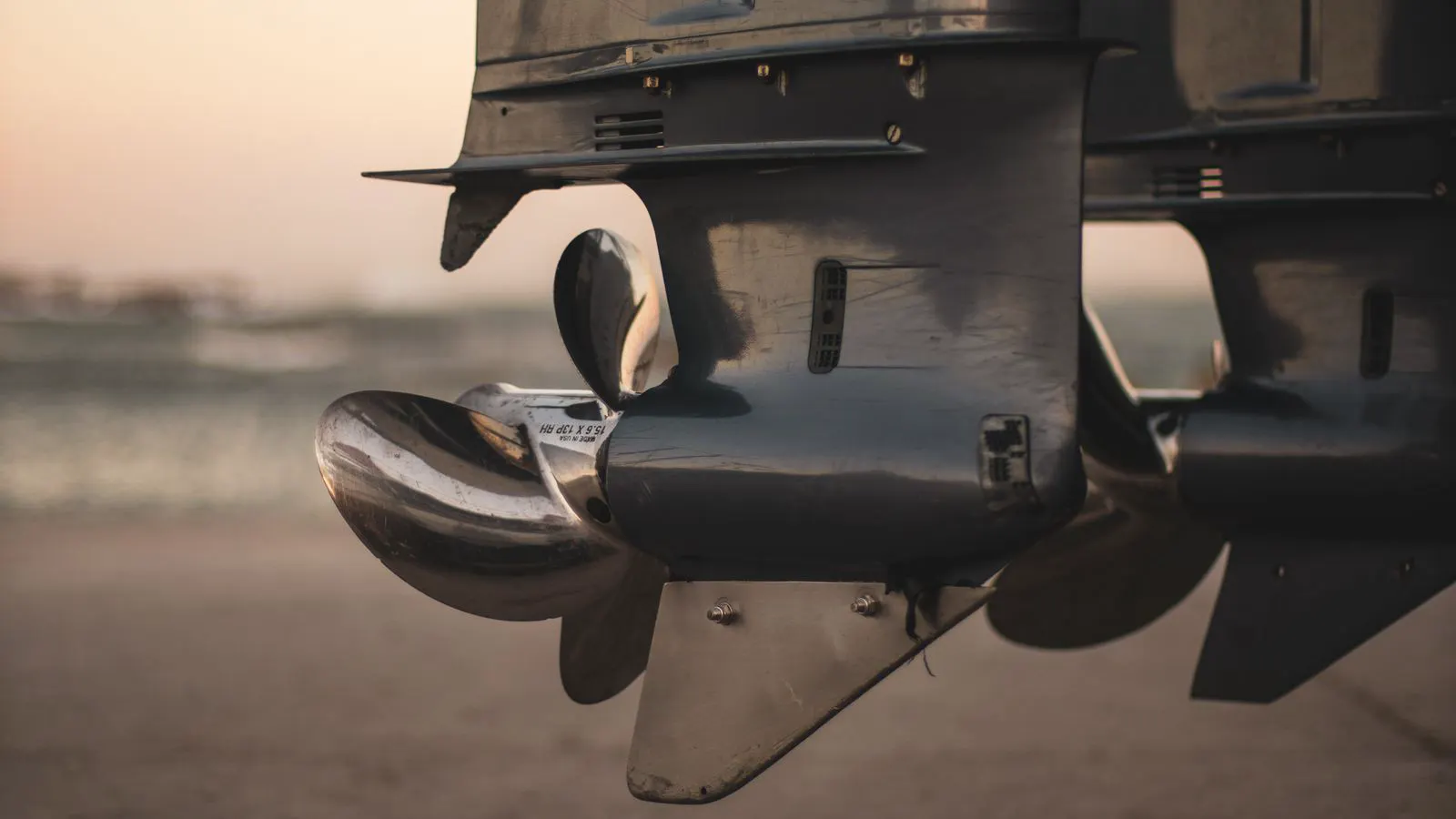
Procurement managers should evaluate stainless steel fasteners for marine use by matching specific alloy grades to exposure conditions. Selecting the appropriate grade based on chloride resistance and mechanical strength ensures long-term durability in saltwater environments.
- Match the stainless steel grade to the specific level of chloride exposure.
- Verify mechanical properties, as some high-corrosion alloys have lower strength.
- Consider surface finishes and coatings to further enhance resistance to saltwater corrosion.
- Always consult specific standards and material test certificates for critical applications.
- Plan for regular inspection and maintenance to extend the service life of marine fasteners.
Understanding the Corrosion Challenge in Marine Environments
Marine environments present unique challenges for fasteners due to the constant presence of chlorides, salt spray, and moisture. These elements accelerate corrosion processes, such as pitting and crevice corrosion, that can compromise the structural integrity of a fastener over time. For procurement managers and engineers, selecting the right material is the first step in ensuring long-term reliability.
The primary goal in selecting marine fasteners is to find a balance between corrosion resistance and the necessary mechanical properties. Not all stainless steel grades perform equally in seawater, and understanding the differences is critical for making informed sourcing decisions.
Key Stainless Steel Grades for Marine Applications
When sourcing stainless steel fasteners, several alloy grades are commonly used in marine environments. Each grade offers a different level of protection against saltwater corrosion.
- 316 (UNS S31600): This is one of the most widely used grades for marine applications. It contains molybdenum, which significantly improves resistance to pitting and crevice corrosion compared to standard 304 stainless steel. It is often the baseline choice for general marine hardware.
- 316L (UNS S31603): The “L” denotes a low-carbon variant, which improves weldability and reduces the risk of sensitization. It is preferred in applications where fasteners may be welded or where long-term stability is a priority.
- 2205 Duplex: This is a high-strength alloy that combines austenitic and ferritic phases. It offers superior corrosion resistance and mechanical strength compared to standard 316, making it suitable for harsher environments or applications with high structural demands.
- Super Duplex (e.g., 2507): These high-grade duplex alloys provide even greater resistance to chloride-induced corrosion and stress corrosion cracking. They are used in the most demanding marine conditions, such as offshore platforms.
- 410/440 (Martensitic): While these grades offer excellent strength and hardness, they have lower corrosion resistance than austenitic grades. They are typically used in marine environments only for non-critical components or where high wear resistance is needed.
Evaluating Corrosion Resistance vs. Mechanical Strength
A critical factor in selecting marine fasteners is the trade-off between corrosion resistance and mechanical properties. Higher corrosion resistance often comes with a reduction in strength and hardness.
When evaluating options, consider the specific load requirements of the application. A high-strength fastener may not survive long-term exposure to saltwater if its corrosion resistance is insufficient. Conversely, a highly corrosion-resistant grade may not meet the tensile strength requirements for a structural joint.
The table below outlines key criteria for evaluating stainless steel fasteners for marine use.
| Criterion | What to look for | Why it matters |
|---|---|---|
| Alloy Grade | 316, 316L, 2205 Duplex, or Super Duplex | Determines the baseline resistance to saltwater corrosion and chloride pitting. |
| Tensile Strength | Grade-specific minimums (e.g., 500 MPa) | Ensures the fastener can handle the required mechanical loads without failure. |
| Surface Finish | Passivated, brushed, or coated | A smooth, clean finish reduces crevice areas where corrosion can initiate. |
| Material Certification | EN 10204 3.1 or 3.2 certificates | Verifies the chemical composition and mechanical properties of the material. |
| Thread Type | Coarse or fine pitch, standard size | Affects assembly, torque, and the fit with the mating component. |
The Role of Coatings and Surface Treatments
While the base alloy is the primary defense against corrosion, surface treatments can provide an additional layer of protection. For some stainless steel grades, especially those with lower corrosion resistance, additional coatings may be beneficial.
- Passivation: This chemical treatment removes free iron from the surface and promotes the formation of a more protective chromium oxide layer. It is a standard and important treatment for all stainless steel fasteners.
- Zinc Coating: Applying a zinc coating to stainless steel can enhance corrosion resistance, particularly in splash zones. However, it can sometimes create a galvanic couple if not properly managed.
- PVD (Physical Vapor Deposition): This process creates a very hard, thin, and wear-resistant coating. It is often used for aesthetic and wear resistance purposes rather than as a primary corrosion barrier.
It is important to ensure that any coating or treatment is compatible with the specific stainless steel grade and the application environment.
Practical Considerations for Procurement
When procuring marine fasteners, several practical factors must be considered beyond just the material grade.
- Compatibility: Ensure that the stainless steel fasteners are compatible with the other materials in the assembly, such as aluminum or carbon steel. Mixing dissimilar metals in the presence of an electrolyte (like seawater) can lead to galvanic corrosion.
- Standards and Specifications: Adhere to relevant standards such as ISO 3506 or industry-specific marine standards. These define the required mechanical properties, dimensions, and testing methods.
- Supplier Reputation and Traceability: Choose suppliers who can provide full material traceability and test reports. This is essential for verifying the quality and origin of the fasteners.
- Cost vs. Longevity: While higher-grade stainless steel may have a higher upfront cost, it can offer a longer service life and lower maintenance costs. Calculate the total cost of ownership, not just the purchase price.
- Availability and Lead Times: Ensure that the required grade and size are available from your supplier. Some high-performance alloys may have longer lead times.
A Closing Decision Checklist
Before finalizing the selection of marine fasteners, use this checklist to ensure all critical factors have been addressed.
- Environment Analysis: Have I identified the specific exposure conditions (constant immersion, splash zone, atmospheric salt spray)?
- Grade Selection: Have I chosen an appropriate stainless steel grade (316, 316L, 2205) based on the exposure analysis?
- Mechanical Requirements: Do the selected fasteners meet the required tensile strength and hardness for the application?
- Material Certificates: Have I requested and verified EN 10204 3.1 or 3.2 material test reports?
- Surface Treatment: Is the fastener passivated or does it require a specific coating?
- Compatibility Check: Have I considered galvanic corrosion risks with other materials in the assembly?
- Standards Compliance: Do the fasteners conform to the relevant industry standards and specifications?
- Inspection Plan: Have I established a plan for periodic inspection and maintenance of the fasteners?
By systematically evaluating these factors, procurement managers can make confident decisions that ensure the longevity and safety of their marine structures.
Frequently asked questions
What is the difference between 304 and 316 stainless steel in marine environments?
316 stainless steel contains molybdenum, which significantly improves its resistance to pitting and crevice corrosion in saltwater. 304 is generally not recommended for prolonged exposure to marine environments due to its lower chloride resistance.
Is 316 stainless steel always the best choice for marine fasteners?
No. While 316 is a common and effective choice for general marine applications, it may not be sufficient for the most harsh conditions. Higher grades like 2205 duplex or super duplex are used for applications with extreme exposure or high structural demands.
Do I need to worry about galvanic corrosion?
Yes, mixing dissimilar metals, such as stainless steel with aluminum or carbon steel, in the presence of an electrolyte like seawater can cause galvanic corrosion. This can accelerate the corrosion of one or both materials.
What type of material certificates should I request for marine fasteners?
You should request EN 10204 3.1 or 3.2 material test certificates. These documents provide verification of the chemical composition and mechanical properties of the fasteners, ensuring they meet the specified requirements.
How often should marine fasteners be inspected?
The frequency of inspection depends on the specific application and environment. It is recommended to establish a regular inspection schedule based on risk assessment, checking for signs of corrosion, loosening, or other damage.


