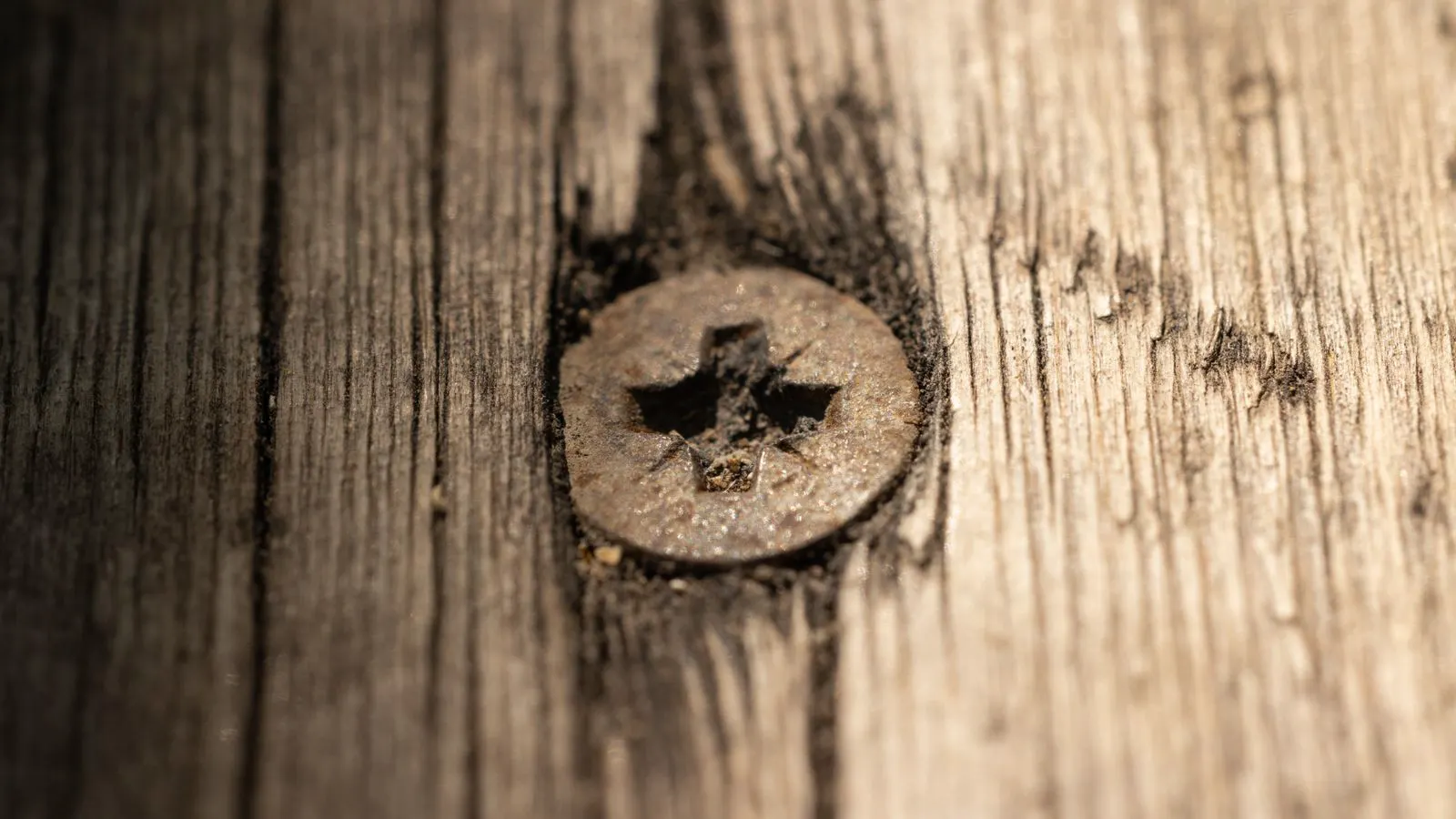
ISO 4014 vs DIN 912: Hex Bolt Differences
ISO 4014 and DIN 912 are both standard hex bolts, but they differ in thread tolerance, head geometry, and available strength grades. ISO 4014 covers high-strength bolts up to 10.9, while DIN 912 covers general-purpose bolts up to 8.8. Choosing correctly depends on your load requirements and the mating parts.
- ISO 4014 is the high-strength standard, covering grades 8.8 to 10.9, while DIN 912 is the general-purpose standard, covering grades 4.6 to 8.8.
- Both standards specify M6 to M20 nominal sizes, but the thread tolerances and head dimensions differ slightly.
- Always verify the marking on the bolt head, as it indicates the specific grade and material, not just the standard.
- Mixing standards on the same joint can lead to fit issues or unexpected mechanical behavior.
Core Differences Between ISO 4014 and DIN 912
ISO 4014 and DIN 912 are two of the most frequently specified hex bolt standards in industrial manufacturing. They look similar on the shelf, but the engineering intent behind each standard is different. ISO 4014 was developed for high-strength applications where the bolt itself is the primary load-bearing component. DIN 912 is the general-purpose standard used when the joint structure carries more of the load than the bolt does.
The choice between them is rarely about aesthetics. It is about load capacity, thread fit, and the specific mechanical properties of the material. An engineer selecting a bolt for a vehicle chassis, a heavy machinery frame, or a structural steel connection will usually reach for ISO 4014. An engineer designing a light-duty assembly, a consumer appliance, or a general industrial cabinet will often specify DIN 912.
Dimensional and Geometric Comparison
While both standards cover the same nominal metric sizes, the physical dimensions of the bolt head and the tolerance on the threads are not identical. These differences are small, but they matter when you are machining a mating nut or preparing a pre-drilled hole.
| Option | Best for | Limitations |
|---|---|---|
| ISO 4014 | High-strength structural joints | Limited to grades 8.8, 9.2, and 10.9 |
| DIN 912 | General-purpose assembly | Lower maximum strength grade (8.8) |
| Thread Tolerance | ISO 4014 uses coarser tolerances | DIN 912 uses finer tolerances for easier assembly |
| Head Geometry | ISO 4014 has a slightly different head height | DIN 912 has a standard hex head height |
| Material Range | ISO 4014 specifies specific alloy grades | DIN 912 allows a broader range of carbon steels |
The most noticeable difference is in the thread tolerance. ISO 4014 bolts typically have a coarser thread tolerance. This is intentional. The bolts are made of high-strength alloy steel, which is harder to machine and more prone to work hardening. A tighter tolerance would increase manufacturing cost and reduce yield. DIN 912 bolts, made from standard carbon steel, can be machined to a finer tolerance. This results in a smoother fit, which is often preferred in general assembly where the bolt may need to be tightened by hand or with a standard socket.
The head dimensions also differ. The height of the hex head on an ISO 4014 bolt is slightly different from that of a DIN 912 bolt. If you are using a standard hex socket wrench, this difference is usually negligible. However, if you are using a custom fixture or a tight clearances, the head height must be verified against the specific standard drawing.
Performance and Grade Specifications
The performance differences are the primary reason engineers choose one standard over the other. The grade marking on the bolt head tells you the mechanical properties, but the standard defines the range of grades that are permitted.
ISO 4014 is a high-strength standard. It specifies bolts with proof load limits and yield strengths well above 800 MPa. The common grades are 8.8, 9.2, and 10.9. Grade 10.9 bolts have a yield strength of approximately 960 MPa. These bolts are used in applications where failure of the bolt would be catastrophic, such as in automotive suspension, heavy machinery, and structural steel connections.
DIN 912 is a general-purpose standard. It covers grades 4.6, 5.8, and 8.8. Grade 8.8 bolts in DIN 912 have the same nominal proof load as Grade 8.8 bolts in ISO 4014, but the material specifications and manufacturing tolerances are slightly different. Grade 4.6 and 5.8 bolts are much lower in strength and are used for light loads, such as in consumer products, furniture, and non-structural assemblies.
It is a common mistake to assume that any bolt marked 8.8 is equivalent. An 8.8 grade DIN 912 bolt and an 8.8 grade ISO 4014 bolt will have similar tensile strength, but they may behave differently under cyclic loading. ISO 4014 bolts are designed for higher stress cycles and are more resistant to fatigue.
Material and Manufacturing Considerations
The material used in the bolt is as important as the standard. ISO 4014 bolts are typically made from alloy steels that have been heat-treated to achieve high strength. These steels are expensive and require precise heat treatment to avoid embrittlement. The manufacturing process often involves induction hardening of the threads, which increases the local hardness and improves fatigue resistance.
DIN 912 bolts are usually made from carbon steels. These materials are cheaper and easier to machine. The heat treatment is less aggressive, which results in a lower yield strength but better ductility. This makes DIN 912 bolts more forgiving during assembly. If a bolt is over-tightened, a DIN 912 bolt is less likely to crack than an ISO 4014 bolt. However, the lower strength means it cannot be used in high-load applications.
When sourcing these bolts, you should always verify the material certificate. For ISO 4014 bolts, the certificate should confirm the heat treatment process and the specific alloy grade. For DIN 912 bolts, the certificate should confirm the carbon content and the tempering temperature. A supplier who cannot provide this documentation is not reliable for engineering applications.
Selection Guide for Engineering Projects
Choosing between ISO 4014 and DIN 912 depends on the specific requirements of the project. There is no single correct answer for every situation. The following factors will help you make the right decision.
- Load Requirement: If the joint is subject to high static or dynamic loads, use ISO 4014. If the load is light and the joint is not critical, DIN 912 is sufficient.
- Fatigue Resistance: If the bolt will experience cyclic loading, ISO 4014 is the better choice due to its superior fatigue properties and thread hardening.
- Assembly Conditions: If the bolts will be assembled by hand or in a tight space, DIN 912 is easier to install due to its finer thread tolerance.
- Cost: DIN 912 bolts are generally less expensive. If the application does not require high strength, using ISO 4014 is an unnecessary cost increase.
- Mating Parts: Always check the mating nuts or holes. If the mating part was machined to a specific standard, the bolt must match it to ensure proper fit.
Practical Checks and Common Mistakes
When verifying a bolt on arrival, check the markings on the head. The standard is often not stamped on the bolt. Instead, you will see the grade (e.g., 8.8) and the manufacturer’s logo. You must know the standard from the purchase order or the supplier’s documentation.
A common mistake is using a DIN 912 bolt in an application that requires ISO 4014. While an 8.8 grade DIN 912 bolt may pass a basic tensile test, it will not meet the fatigue requirements of an ISO 4014 joint. This can lead to premature failure.
Another mistake is mixing standards in the same joint. If one side of the joint is machined to ISO 4014 tolerances and the other to DIN 912, you will have a fit problem. The threads may not engage properly, leading to stress concentrations and early failure.
Finally, do not ignore the surface finish. ISO 4014 bolts are often coated with zinc or other protective coatings. The coating process can affect the surface hardness and the friction coefficient. This can impact the torque-to-tension relationship. Always use the correct torque values for the specific coating and grade.
Conclusion
ISO 4014 and DIN 912 serve different engineering purposes. ISO 4014 is for high-strength, critical applications. DIN 912 is for general-purpose, lower-strength assemblies. Understanding the differences in tolerance, material, and grade will help you select the correct bolt and avoid costly errors. Always refer to the specific standard drawing and verify the material certificate before installation.
Frequently asked questions
Can I use an ISO 4014 bolt in a DIN 912 application?
Yes, but it is usually unnecessary and more expensive. The higher strength of the ISO 4014 bolt will not be use in a low-load application.
Can I use a DIN 912 bolt in an ISO 4014 application?
No. The DIN 912 bolt does not meet the fatigue and strength requirements of the ISO 4014 standard. This can lead to failure.
What is the main difference in thread tolerance between the two standards?
ISO 4014 uses a coarser thread tolerance, while DIN 912 uses a finer tolerance. This makes DIN 912 bolts easier to assemble.
How do I verify the standard of a bolt I have received?
Check the purchase order and the supplier's documentation. The standard is not always stamped on the bolt head. If in doubt, ask the supplier for the material certificate.
Does the surface finish affect the torque values?
Yes. The coating and surface finish change the friction coefficient, which directly impacts the torque-to-tension relationship. Always use the correct torque values for the specific coating.