Explaining Thread Standards: Coarse vs Fine Pitch
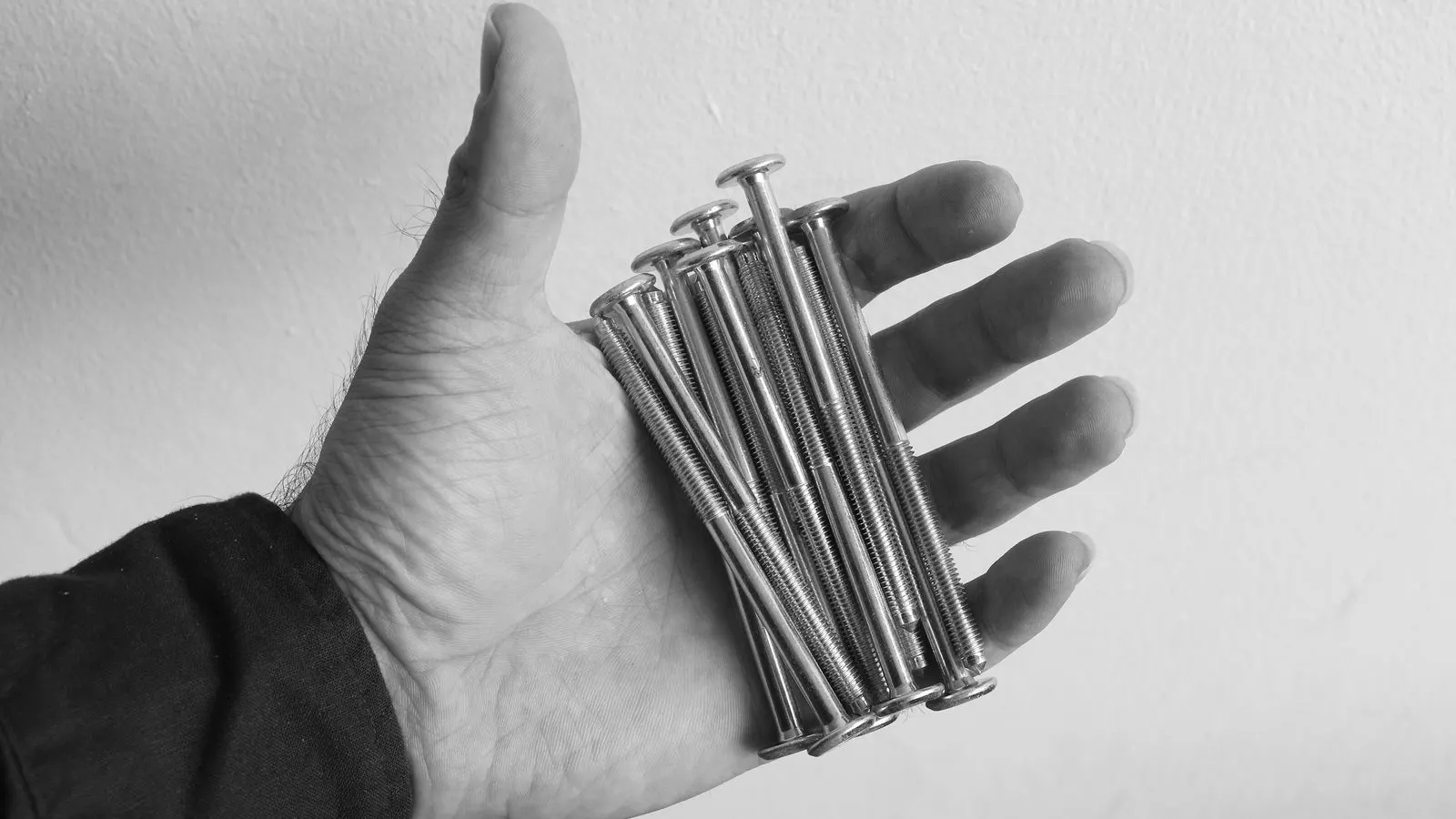
Thread pitch standards define the spacing of thread crests. Coarse threads are easier to assemble and resist cross-threading. Fine threads provide a higher thread density for better clamping force in specific materials. Choosing correctly prevents fit issues and failure.
- Coarse threads offer a larger thread angle, making them faster to install and less likely to cross-thread in field conditions.
- Fine threads allow more thread area to engage the mating part, which can improve clamping performance in soft materials.
- Always match the thread pitch of the bolt to the nut or tapped hole. A mismatch will cause jamming or cross-threading.
- Standardization matters. A bolt and nut must follow the same thread standard, such as metric or UNF, to ensure compatibility.
- When in doubt, measure the pitch with a thread gauge or count threads per inch. Never guess based on appearance.
What Is Thread Pitch and Why Does It Matter
Thread pitch is the distance between adjacent thread crests along the axis of the fastener. It is a physical dimension, not a material property. Two bolts can have the same outer diameter but different pitch values. One will look like a wide, spaced-out thread. The other will have tighter, more closely spaced ridges.
This difference affects how the fastener behaves during assembly, how much clamping force it can generate, and how it interacts with the parts it holds together.
When sourcing fasteners, you need to know the pitch before you order. If you order a coarse thread bolt for a fine thread hole, it will not fit. The threads may jam after a few turns. You can damage the thread in the housing or strip the bolt.
The two main families of metric thread pitch are coarse and fine. In imperial systems, the equivalent terms are coarse and fine pitch, often abbreviated as UNC and UNF.
How to Identify Coarse Thread
Coarse thread has a larger pitch than the fine thread of the same nominal diameter. The thread angle is typically more open. This wider angle gives the thread a steeper slope.
This design is common in general purpose applications. Think of the bolts in a car engine block, the screws in a piece of furniture, or the nuts on a standard machine frame.
Coarse threads are easier to start. Because the thread angle is wider, the bolt has a larger “lead” per revolution. It engages the nut or tapped hole with less sensitivity to misalignment. This reduces the chance of cross-threading, which is a common problem in field work where parts may be dirty or slightly misaligned.
They are also faster to assemble. You need fewer turns to pull the bolt up to the required length. This speeds up production lines and maintenance jobs.
In a procurement list, you will often see “coarse” listed as the default for standard metric sizes. If the drawing does not specify a fine thread, assume coarse. This is a standard convention in engineering design.
How to Identify Fine Thread
Fine thread has a smaller pitch than the coarse thread of the same nominal diameter. The thread crests are closer together. The thread angle is usually more acute, meaning the threads are flatter and more tightly wound.
Fine threads are used when you need more thread area to engage the material. This is common in high strength applications where the fastener must resist high tensile loads. They are also common in applications involving soft materials, such as aluminum or magnesium alloys.
In soft materials, the threads can deform or crush under load. A fine thread distributes the load over a larger area of the material. This reduces the risk of thread pullout.
Fine threads are also used in precision machinery. Because the lead is smaller, each revolution moves the bolt a shorter distance. This allows for finer adjustments in positioning.
However, fine threads are harder to assemble. They require more turns to install. They are also more sensitive to misalignment. If the bolt is not perfectly square to the nut or hole, the threads will bind. This can cause cross-threading.
When sourcing fine threads, always confirm the standard. There are multiple fine thread series for the same nominal diameter. You need the exact pitch value to ensure compatibility.
Key Differences for Sourcing Decisions
The choice between coarse and fine is not just about fit. It affects supply chain logistics, tooling, and maintenance.
Coarse threads are widely available. They are standard stock items at most fastener distributors. You can usually find them in multiple lengths and finishes without a special order. This reduces lead time and cost.
Fine threads are less common for large sizes. They may require a made to order production. This can increase lead time. They may also have a higher unit cost due to the complexity of the cutting process.
The table below summarizes the key differences for a buyer or engineer.
| Feature | Coarse Thread | Fine Thread |
|---|---|---|
| Thread Spacing | Wider, larger pitch | Tighter, smaller pitch |
| Assembly Speed | Faster, fewer turns | Slower, more turns |
| Cross-Thread Risk | Lower | Higher |
| Thread Engagement | Fewer threads per inch | More threads per inch |
| Soft Material Performance | Lower, prone to pullout | Higher, better load distribution |
| Supply Availability | High, standard stock | Lower, often made to order |
| Typical Use | General purpose, structural | Precision, high load, soft metals |
Worked Example: Selecting a Bolt for Aluminum
Imagine you are designing a bracket that will be bolted to an aluminum chassis. The aluminum is anodized and relatively soft. You need a fastener that will hold firm under vibration.
You have two options. A standard coarse thread bolt or a fine thread bolt of the same diameter.
If you choose the coarse thread, the threads will dig into the aluminum. Under load, the aluminum threads may strip. The bolt will look fine, but the connection is weak. The aluminum material is being crushed.
If you choose the fine thread, the load is spread over more thread crests. The pressure on each thread is lower. The aluminum holds up better. The clamping force is more stable over time.
In this case, the fine thread is the correct engineering choice. The extra turns during assembly are a small cost compared to the risk of failure.
This example shows how material selection drives thread pitch selection. You cannot choose the thread in isolation. It must be evaluated against the mating material and the load conditions.
How to Measure and Verify Thread Pitch
Never guess the thread pitch. A visual inspection is not reliable. Coarse and fine threads can look similar to the untrained eye, especially at small diameters.
The standard method is to use a thread pitch gauge. This is a small tool with several pins of different spacings. You hold it against the thread. The correct gauge will slide through the thread without catching. The incorrect one will bind.
For metric threads, you can also count the threads in a known distance. Place a ruler against the bolt. Count the number of threads over a 10 millimeter length. Multiply by 10 to get the threads per centimeter. Convert to pitch by dividing 10 by that number.
For imperial threads, count the threads per inch directly. This gives you the pitch in inches.
Always match the pitch of the bolt to the nut or tapped hole. A bolt with a 1.5 millimeter pitch will not fit a nut with a 1.0 millimeter pitch. They are incompatible.
When receiving shipments, spot check the pitch on a few samples. This catches manufacturing errors or mislabeled stock. It is a quick check that prevents a batch of unusable parts from reaching the assembly line.
Common Mistakes in Thread Selection
The most common mistake is assuming that a bolt will fit any hole of the same nominal diameter. It will not. The pitch must match.
Another mistake is choosing fine threads for field assembly in dirty environments. Fine threads catch dirt and debris easily. This causes binding and makes installation difficult. Coarse threads are more forgiving.
A third mistake is ignoring the standard. There are multiple fine thread series. A fine thread of one series may not fit a nut of another series, even if the nominal diameter is the same. Always verify the standard designation on the drawing.
Finally, do not mix coarse and fine threads in the same assembly. If you use a coarse bolt and a fine nut, the threads will not mesh. You will damage both parts. Keep the system consistent.
Understanding thread pitch standards is a fundamental skill for anyone involved in fastener sourcing. It prevents costly errors and ensures the reliability of the final product. When in doubt, measure. When in doubt, consult the standard.
Frequently asked questions
Can I use a coarse thread bolt in a fine thread hole?
No. The threads will not mesh. The bolt will jam or cross-thread, potentially damaging the hole and the bolt.
How do I know if a thread is coarse or fine without a gauge?
You can count the threads per inch or per centimeter and compare it to standard tables. However, a thread gauge is the most reliable method for verification.
Which thread is stronger, coarse or fine?
Fine threads generally offer better clamping performance in soft materials because they distribute load over more thread area. Coarse threads are often stronger in hard materials due to their larger thread angle and higher shear strength.
Are coarse threads harder to find in large sizes?
No. Coarse threads are standard for most sizes, including very large ones. Fine threads become less common and more expensive as the diameter increases.
What happens if I install a fine thread bolt too fast?
The threads may cross-thread or bind, especially if the hole is not perfectly square. This can strip the threads in the mating part or snap the bolt. Install slowly and ensure alignment.