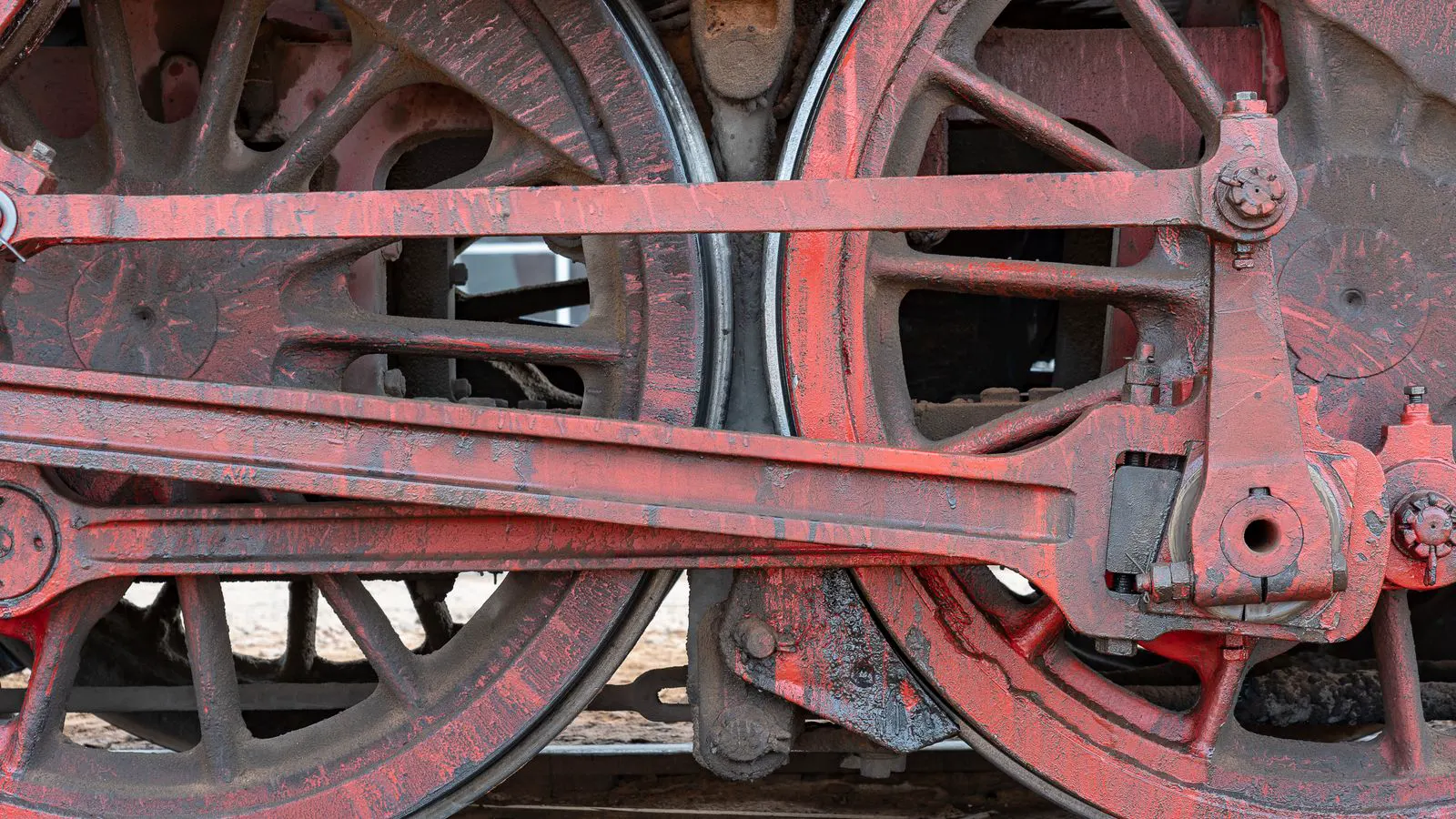
Outlook on High-Yield Steel Fastener Availability
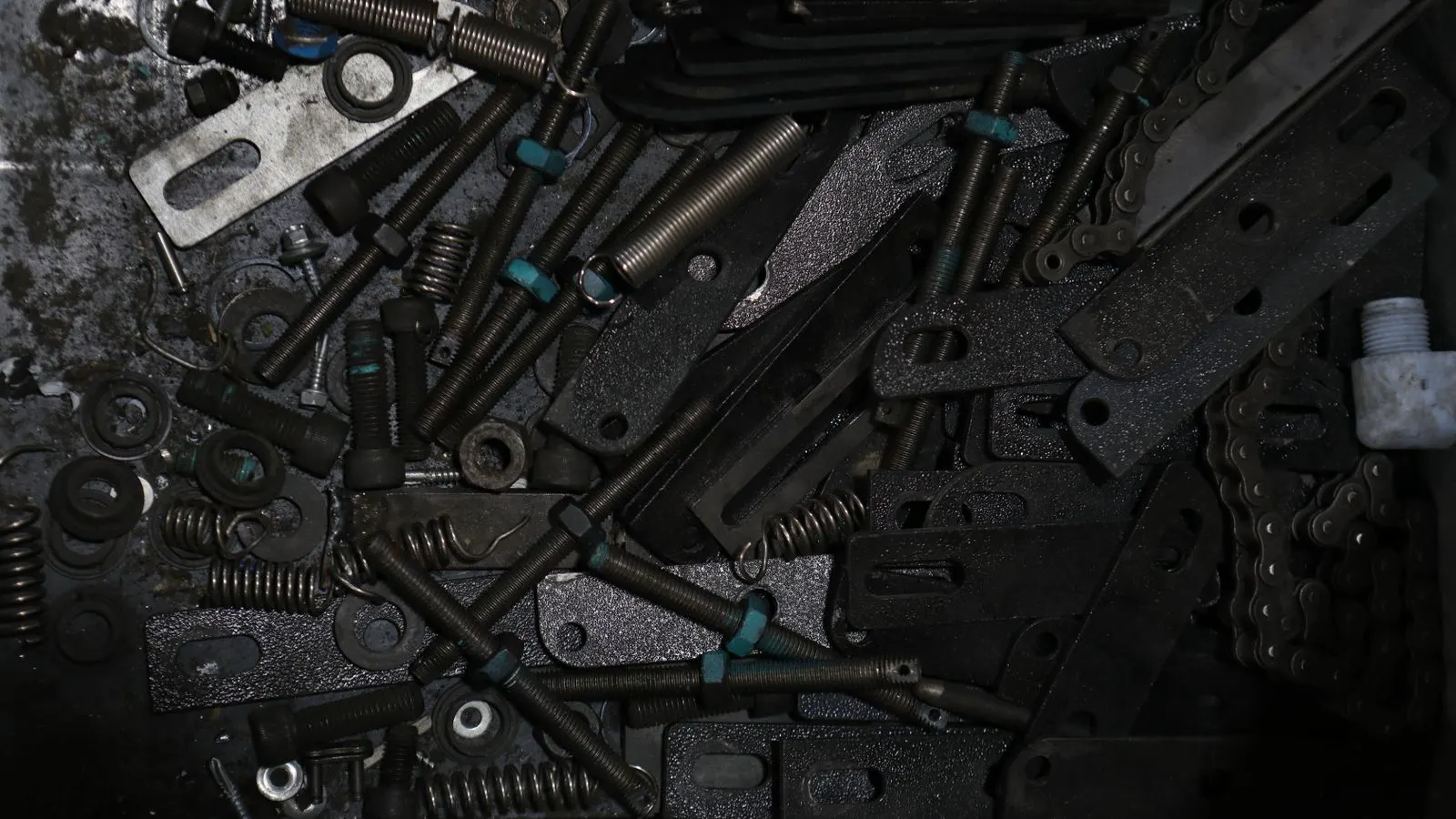
High yield steel fasteners face shifting supply dynamics driven by mill capacity, logistics, and demand cycles. Buyers should plan for longer lead times, tighter quality controls, and diversified sourcing. This outlook details five key shifts and preparation strategies for industrial buyers.
- Track mill output and logistics costs to anticipate lead time changes for high strength steel.
- Qualify secondary suppliers to reduce single source risk for critical fastener grades.
- Verify material certifications and heat traceability to ensure grade compliance.
- Adjust reorder points and safety stock based on current market volatility.
- Use specific material specs and tolerances to avoid substitution errors.
Why Availability Is Shifting Now
High yield steel fasteners are moving through a period of normal market adjustment. The supply chain is not broken, but it is responsive to changes in raw material costs, shipping rates, and industrial demand. When automotive, machinery, or construction sectors ramp up production, the demand for high strength steel spikes. When those sectors slow, excess capacity builds up at mills.
The result is a market that changes quickly. A fastener that was easy to source six months ago may now have a longer lead time. Conversely, a grade that was tight may become abundant. Buyers who treat sourcing as a static task will run into issues. Those who monitor the flow of industrial steel will stay ahead.
This section outlines five specific shifts you should plan for. It covers how to prepare your procurement strategy, quality checks, and supplier relationships for the months ahead.
Shift One: Mill Capacity Drives Lead Times
The first thing to understand is that fastener availability starts at the steel mill. High yield fastener grades require specific steel grades. These are not the same as the carbon steel used for general structural work. The mills that produce these grades have limited capacity.
When a mill expands production for automotive or energy projects, they often prioritize those large contracts. Smaller fastener orders may get bumped. This does not mean the mill is ignoring you. It means their production slots are booked.
Watch for lead time changes. If a supplier who usually delivers in two weeks suddenly quotes three or four, the bottleneck is likely at the mill or in the heat treatment process. Heat treatment is a critical step for high yield fasteners. It sets the final strength. If the furnace capacity is tight, the lead time extends.
To prepare, build a buffer into your production schedule. Do not order high yield fasteners to arrive exactly when the assembly line needs them. Order them with a two to three week safety margin. This buffer protects you from mill delays, heat treatment queues, and quality inspection holds.
Shift Two: Logistics Costs Are Volatile
Shipping rates for industrial steel and finished fasteners are not flat. They fluctuate based on fuel costs, port congestion, and regional demand. A container of high yield bolts from one region may cost significantly more than the same order from another region depending on the route.
This volatility affects your total cost of ownership. The price on the invoice may look stable, but the freight charge added at the end can change your margin. Some buyers try to lock in prices for six months. In a volatile logistics market, that lock can be expensive.
A better approach is to negotiate freight terms rather than just unit price. Ask suppliers if they can include freight in the quote or if they can offer a fixed rate for a specific shipping window. If you are buying from multiple regions, compare the landed cost, not just the ex works price.
Plan for freight spikes before they happen. If you know a major industrial project is starting in your region, shipping lanes to that area will get congested. Order your fasteners before the peak, not during it. This keeps your costs predictable and your stock available.
Shift Three: Quality Verification Is Tightening
As availability shifts, the temptation to switch suppliers increases. You may find a new vendor offering a shorter lead time for high yield steel fasteners. The price may be attractive. The risk is quality.
High yield fasteners are safety critical in many applications. A bolt that looks correct but fails its hardness test can cause a catastrophic failure. The steel grade must be verified. The heat treatment process must be documented.
You must check for mill test certificates for every heat lot. Do not accept a single certificate for a mixed shipment. If a shipment contains multiple heat numbers, you need a certificate for each. This is non negotiable for high yield applications.
Prepare by updating your supplier qualification process. Require test reports before accepting a new supplier. Run a sample of the fasteners through a third party lab for hardness and tensile strength verification. This cost is small compared to the risk of a field failure.
Shift Four: Demand Cycles Are Shorter
Industrial demand for high strength fasteners used to be more predictable. Now, cycles are shorter. A project may run for three months, then pause while the client restructures. Another project may start suddenly.
This puts pressure on your inventory. If you overstock for a long cycle, you tie up capital. If you understock, you face production stops. The fastener market does not reward holding large inventories. It rewards agility.
Plan your reorder points based on actual usage data, not average usage. Look at the last six months of consumption. Identify the peaks. Set your reorder trigger so that you start the buying process before the peak hits.
If you have variable demand, consider buying smaller quantities more often. This increases the number of orders and the administrative work. But it reduces the risk of being stuck with excess stock. It also keeps your relationships with suppliers active. A supplier who sees regular, smaller orders is more likely to keep your name in mind when capacity opens up.
Shift Five: Substitution and Specification Clarity
The final shift is internal. It happens in your own engineering and procurement teams. When availability tightens, the urge to substitute a lower grade or a different thread form is strong.
Do not substitute without engineering approval. A fastener that meets the torque spec but has a lower yield strength is not a safe substitute. The fatigue life will be different. The deformation behavior will be different.
Review your specifications. Do they clearly state the material grade, the thread standard, and the finish? If your spec says “high yield” without specifying the exact steel grade and heat treatment, you are inviting substitution.
Be specific. State the grade, such as a standard high yield steel designation. State the thread standard, whether coarse or fine. State the finish requirements. Clear specs reduce the chance of receiving the wrong part. They also make it easier for suppliers to quote accurately.
| Supply Factor | Typical Impact | Buyer Action |
|---|---|---|
| Mill Capacity | Lead time extends | Add buffer to production schedule |
| Logistics Costs | Landed price fluctuates | Negotiate freight terms |
| Quality Risk | Grade compliance issues | Require heat lot certificates |
| Demand Cycles | Inventory imbalance | Adjust reorder points |
| Specification | Substitution errors | Clarify material and thread specs |
How to Prepare Your Sourcing Plan
Preparation is not about predicting the future. It is about building a system that absorbs shocks. You need a supplier base that is not tied to a single source. You need a quality process that is fast and rigorous. You need a purchasing strategy that is flexible.
Start by mapping your supply chain. Identify who makes the steel, who mills the bar, and who machines the fastener. Knowing where the bottlenecks are helps you react faster. If the bar mill is the constraint, you may need to buy pre milled bar stock to bypass the machining step.
Build relationships with at least two or three suppliers for each critical fastener. Do not rely on one vendor. When one supplier has a problem, you need an alternative that is already qualified.
Review your safety stock levels. For high yield fasteners, the cost of being out of stock is high. It can stop a production line. It can delay a delivery to a customer. It can incur overtime costs. Calculate the cost of downtime and compare it to the cost of holding extra inventory. In many cases, the inventory cost is lower.
Finally, communicate your needs clearly. Tell your suppliers when you are scaling up or down. Tell them when you have a project deadline. Suppliers can often help you prioritize if they know the context. They cannot help if they only see a list of parts and quantities.
Final Check: Your Readiness Assessment
Before you place your next order, run a quick check on your readiness. Do you have the material certificates for your current stock? If not, request them now. Do you have a qualified backup supplier? If not, start the qualification process.
Do your engineering specs clearly define the fastener? If not, update them. Do your reorder points reflect recent usage? If not, adjust them.
These steps take time, but they are cheap compared to the cost of a supply failure. The market will continue to shift. Your plan should be built to handle that shift without panic.
Frequently asked questions
How do I know if a high yield fastener is the correct grade?
Check the mill test certificate for the specific heat lot. The certificate lists the chemical composition and mechanical properties. Verify these match your engineering specification before acceptance.
Can I order high yield fasteners in bulk to save money?
Bulk orders can lower the unit price, but they increase inventory risk. In a volatile market, smaller, more frequent orders may be safer. Compare the discount against the cost of tied up capital and storage.
What is the biggest mistake buyers make with high yield fasteners?
Assuming that any bolt with a similar head size is interchangeable. High yield fasteners have specific material properties. Substitution without engineering approval can lead to failure.
How long should I keep safety stock for critical fasteners?
This depends on your production cycle and supplier lead times. A common approach is to hold two to four weeks of usage. Adjust this based on your historical lead time variability.
Do I need to test every batch of high yield fasteners?
You do not need to test every single part. You need to verify the material and process. This is done through certificates and periodic sampling. If a supplier changes their process, increase your testing frequency.