Outlook: Trends in High-Strength Bolt Manufacturing
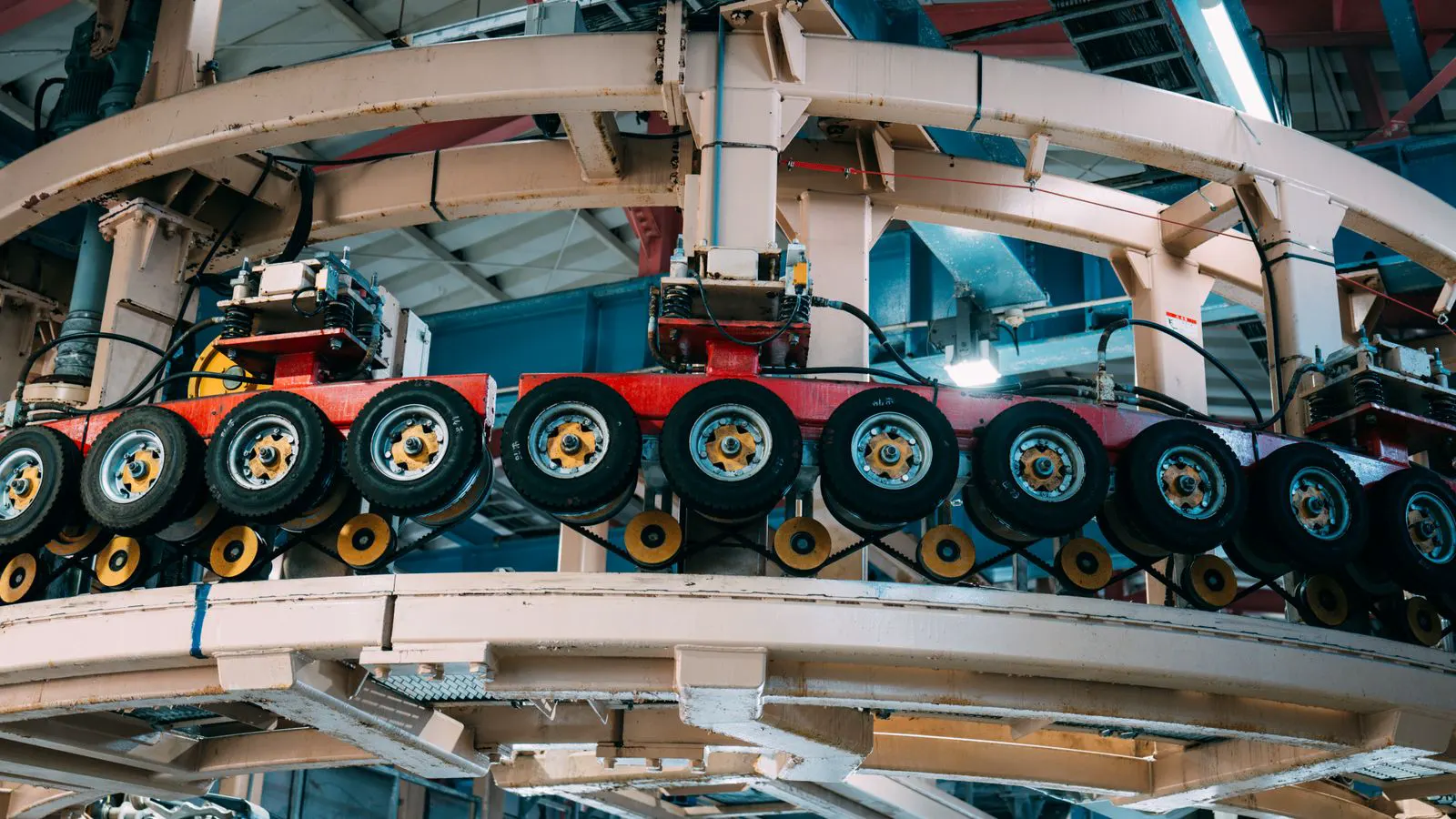
High strength bolt manufacturing is shifting toward tighter process control, traceable digital records, and material verification. Buyers should plan for better quality consistency but potentially higher costs and longer qualification cycles for new suppliers.
- Digital traceability and material verification are becoming standard expectations for high strength bolt suppliers.
- Buyers should prepare for longer qualification cycles when switching suppliers or requesting new quality documentation.
- Process control improvements are reducing lot-to-lot variation, but buyers must verify supplier capabilities before committing to large orders.
- Supply chain resilience is pushing manufacturers to diversify material sources and production locations.
- Buyers should request updated material test reports and digital certificates to verify compliance with current standards.
High strength bolt manufacturing is changing faster than most procurement teams expect. The shift is not about a single new technology but a combination of process control, digital records, and material verification that together raise the bar for what buyers can expect from suppliers. Understanding these shifts helps you plan for quality consistency, lead time changes, and documentation requirements that will define your sourcing strategy in the coming years.
What is driving the current manufacturing shifts?
The push for higher reliability in critical applications is the main force behind these changes. Aerospace, energy, infrastructure, and heavy machinery sectors all demand bolts that perform consistently across thousands of cycles. That demand is pushing manufacturers to tighten control at every step, from raw material purchase to final heat treatment.
The change is visible in three areas. First, material verification has moved from a one-time check to a continuous process. Suppliers are using more advanced testing to confirm alloy composition and mechanical properties before and after heat treatment. Second, process control is improving. Manufacturers are tracking parameters like forging temperature, heat treatment time, and surface treatment chemistry with greater precision. Third, digital records are replacing paper trails in more facilities. This shift is not optional for many buyers. It is becoming a baseline expectation for qualified suppliers.
These changes are not limited to large manufacturers. Smaller shops are adopting similar practices to compete for contracts, though the depth of implementation varies. The net effect is a market where quality documentation is easier to obtain but also more scrutinized by buyers.
How are heat treatment processes changing?
Heat treatment is where high strength bolt quality is won or lost. Small variations in temperature, time, or atmosphere can change the final mechanical properties of a fastener. Recent improvements in process control are reducing this variability.
Manufacturers are using closed-loop systems that monitor and adjust parameters in real time. When a furnace drifts outside the target range, the system corrects automatically or flags the batch for review. This reduces the chance of a heat-treated lot falling below specification. It also creates a clearer record of what happened during the process, which helps during quality investigations.
The result is more predictable performance. A bolt from Lot A is less likely to behave differently than a bolt from Lot B, assuming both follow the same specification. For buyers, this means fewer surprises in the field. It also means suppliers can offer more consistent lead times because they are less likely to reject batches during final inspection.
One caveat remains. Process control does not eliminate the need for final testing. Buyers should still request mechanical test reports for critical lots. The difference is that the probability of passing is now higher, and the documentation is more reliable.
What does digital traceability mean for buyers?
Digital traceability is the shift from paper certificates to digital records that can be queried, stored, and verified. Many manufacturers are moving toward systems that link each lot of high strength bolts to its raw material batch, heat treatment parameters, and final test results.
For buyers, this changes how you verify compliance. Instead of waiting for a printed certificate to arrive by mail, you can access digital records through a supplier portal or receive them electronically. The data is more searchable and easier to audit. It also reduces the risk of lost documents or transcription errors.
The practical benefit is faster qualification. When a new supplier or a new material lot is introduced, you can pull the full history in minutes rather than days. This matters when you are managing multiple projects with different requirements. It also helps during field investigations. If a bolt fails, you can identify the exact heat treatment parameters and raw material source quickly.
Not all suppliers have reached this stage. Some still rely on manual records or partial digital systems. When evaluating suppliers, ask specifically how they handle digital traceability. What data is available, and how quickly can you access it? The answer will tell you a lot about their readiness to meet your requirements.
How are material verification practices improving?
Material verification is the first line of defense against quality issues. A bolt can be perfectly heat-treated and still fail if the base material does not match the specification. Recent improvements in testing methods are making this check more reliable.
Spectrometric analysis is now routine at more facilities than it was a few years ago. This allows suppliers to confirm alloy composition quickly, without waiting for wet chemistry results. For high strength alloys, where small variations in element content can affect performance, this is a significant improvement.
The trend is moving toward more frequent testing. Rather than checking one lot per month, suppliers are testing more frequently or even per heat. This reduces the chance that a material issue goes undetected. It also gives buyers more confidence that the material they receive matches what was specified.
For buyers, the action is straightforward. Request material verification data with each lot. Do not rely on the supplier’s general quality system alone. Ask what testing is performed, how often, and how the results are documented. The level of detail in their response will tell you how serious they are about material integrity.
What should buyers expect for lead times and costs?
The quality improvements described above have implications for lead times and costs. More rigorous process control and digital record-keeping require investment in equipment, software, and personnel. Those costs are passed through to the buyer, though the impact varies by supplier and volume.
Lead times may also change. A supplier who implements tighter process controls may need more time to complete heat treatment or final inspection. This is not a sign of poor performance. It is a sign of a more controlled process. Buyers who plan for this will be better positioned to manage their projects.
The cost impact is not always immediate. Some improvements reduce scrap rates and rework, which can offset the added cost of testing and documentation. For high volume buyers, the long-term savings from fewer field failures and faster qualification can outweigh the upfront cost of better documentation.
When negotiating with suppliers, discuss the full cost structure, not just the unit price. Ask what is included in the price. Does it cover material verification, heat treatment certification, and digital record access? A slightly higher unit price with better documentation may be the better deal for critical applications.
How should buyers prepare for these changes?
Preparation starts with updating your supplier evaluation criteria. Include digital traceability and material verification in your scorecards. Ask suppliers to demonstrate their capabilities before you award a contract. The goal is to work with suppliers who are already aligned with the new expectations, not to force them to catch up after you have placed an order.
Second, review your internal documentation processes. If your team is still relying on paper certificates and manual spreadsheets, you may be creating a bottleneck. Digitize your records where possible. This will make it easier to verify supplier data and maintain a clear audit trail.
Third, plan for longer qualification cycles. If you are switching suppliers or introducing a new material, build in extra time for testing and approval. The process will be more rigorous, and that is a good thing. It reduces the risk of a quality issue down the line.
Fourth, communicate your requirements clearly. Specify the level of traceability and documentation you need. Do not assume the supplier will provide the same level of detail as your current vendor. The gap between what you expect and what you receive is where problems start.
Finally, monitor the market. The changes described here are not uniform. Some regions and suppliers are ahead of others. Keeping an eye on industry developments will help you make informed decisions about when to switch suppliers, when to hold your current vendor, and when to invest in new relationships.
How do these trends affect different bolt applications?
Not all applications are affected equally. High strength bolts used in structural connections, such as bridge joints or building frames, benefit directly from improved consistency. The risk of a single bad lot is lower, and the documentation is more reliable.
In rotating equipment, such as turbines or compressors, the focus is on fatigue performance. The tighter process controls help reduce variation in surface finish and hardness, which are key factors in fatigue life. Buyers in this space should ask suppliers about surface treatment controls and how they verify the final finish.
For aerospace and defense applications, the shift toward digital traceability is already well established. The trend here is less about new technology and more about standardization. Buyers should expect suppliers to provide electronic data interchange formats for all quality documents. If a supplier cannot provide this, they are likely not qualified for the work.
In automotive and energy sectors, the balance is between cost and reliability. The quality improvements are real, but the cost impact can be significant. Buyers in these sectors should look for suppliers who can demonstrate a clear return on investment through lower scrap rates and faster qualification. The goal is to find a partner who can deliver consistent quality without inflating the total cost of ownership.
What documentation should buyers request going forward?
The documentation you request should reflect the level of control you expect from your supplier. At a minimum, you should receive a material test report that confirms alloy composition and mechanical properties. This report should be specific to the lot, not a general certificate for the material grade.
Heat treatment records should be included for any fastener that requires heat treatment to reach its final properties. These records should show the furnace ID, start and end temperatures, soak time, and cooling rate. The more detail you have, the easier it is to verify compliance.
Digital traceability records should be available for each lot. This includes the raw material batch number, the heat treatment parameters, and the final test results. If the supplier provides a portal, make sure you have access before you place a large order. Test the system with a small lot first.
Finally, request a quality summary for each lot. This should highlight any deviations, rework, or special handling that occurred during production. It is a simple document, but it gives you a clear picture of the lot’s history. A lot with no deviations is a lot you can trust more easily.
Frequently asked questions
Will high strength bolts become more expensive due to these manufacturing changes?
Unit costs may increase slightly due to added testing and documentation. However, the long-term cost impact depends on your application. For critical uses, the reduction in field failures and faster qualification can offset the higher unit price.
Do I need to requalify my current supplier if they improve their processes?
Not necessarily. If your current supplier already provides the documentation you need, you may not need to requalify. However, if they are upgrading to digital traceability or improved material verification, it is worth reviewing the new records to confirm they meet your requirements.
How do I verify that a supplier's digital traceability records are accurate?
Request a sample lot and cross-check the digital records against the physical part. Verify the lot number, heat treatment parameters, and test results. If the supplier provides a portal, test your access and confirm that the data is searchable and complete.
Are smaller bolt manufacturers keeping up with these trends?
Some are, some are not. The trend is toward smaller shops adopting similar practices to compete for contracts. However, the depth of implementation varies. Always evaluate each supplier individually rather than assuming size determines capability.
What is the single most important thing I should do to prepare?
Update your supplier evaluation criteria to include digital traceability and material verification. This will help you identify suppliers who are aligned with the new expectations and reduce the risk of quality issues down the line.