Buyer’s Guide to Evaluating Fastener Distributor Reliability
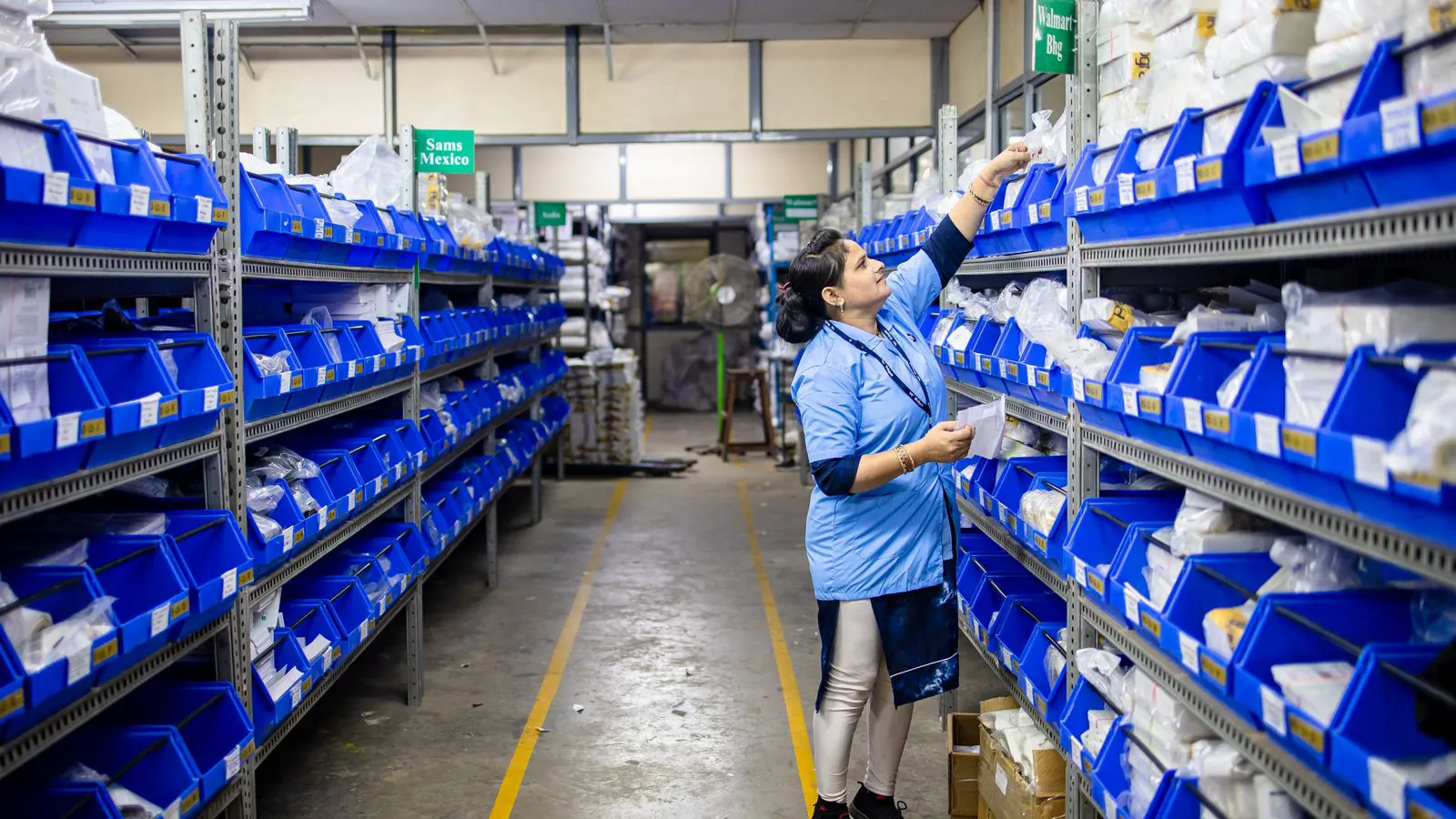
Engineers need a structured way to judge fastener distributor reliability. This guide outlines supplier evaluation criteria, service checks, and quality controls to reduce sourcing risk and secure consistent long-term supply.
- Evaluate a fastener distributor on material traceability, coating verification, and documentation accuracy.
- Test service quality by measuring response time, lead time accuracy, and error handling.
- Use a decision checklist to confirm compliance, financial stability, and technical support before signing.
What defines a reliable fastener distributor
A reliable fastener distributor does more than ship parts. It manages material integrity, maintains consistent coating quality, and responds to engineering changes without delay. Engineers and buyers rely on this stability for production continuity.
Supplier reliability breaks down into measurable elements. Material traceability shows whether the distributor can prove the origin of every lot. Coating verification confirms that plating or zinc levels meet specifications. Documentation accuracy ensures that mill certificates and test reports match the physical product on the shelf.
These elements matter because a single faulty lot can halt an assembly line. A distributor that cannot trace steel back to the mill creates liability. A distributor that ships parts with incorrect coatings risks corrosion failures in the field.
How to assess material traceability
Material traceability is the first line of defense against counterfeit or substituted parts. Ask the distributor to provide mill test reports for every lot of carbon steel, stainless steel, or alloy fasteners. The report should list the heat number, chemical composition, and mechanical test results.
Check if the distributor stores heat numbers on the part itself or in the packaging. Some manufacturers stamp the heat number on the head of a bolt. Others print it on the box. If the distributor cannot link the physical part to the certificate, the traceability chain is broken.
For high-value applications, request a full traceability audit. This involves picking a random sample from inventory and verifying the documentation against the supplier’s records. If the distributor cannot produce the records within a short timeframe, the system is not reliable enough for critical use.
What service quality indicators to measure
Service quality is often the first factor buyers notice. A distributor may have the best inventory but fail if they do not respond to inquiries quickly. Measure response time on initial quotes. A reliable distributor replies to technical questions within a few hours, not days.
Lead time accuracy is the next metric. Compare the quoted delivery date with the actual arrival date over several orders. If a distributor consistently overpromises, the production schedule suffers. If they consistently underdeliver, the buyer wastes money on expedited shipping.
Error handling reveals true reliability. Ask how the distributor manages shipping mistakes, short shipments, or wrong part numbers. A good distributor has a clear process for issuing credits, replacing parts, or arranging pickup. They should not make the buyer chase a manager for a resolution.
How to verify coating and surface treatment
Coating failure is a common source of disputes. A fastener distributor should not just say “zinc plated.” They should specify the coating type, thickness, and standard. For example, a zinc plating specification includes the minimum thickness in microns and the salt spray test duration.
Before placing a large order, request a sample for independent testing. A supplier should allow the buyer to send a sample to a third-party lab for verification. If the distributor refuses this, it signals a lack of confidence in their process.
Also check the distributor’s storage conditions. Zinc-coated parts can corrode if stored in a damp environment. Ask about the warehouse humidity control and packing materials. Vented packaging helps prevent condensation, which causes white rust on zinc surfaces.
Why financial and operational stability matters
A distributor may be excellent today but fail tomorrow. Financial instability leads to reduced inventory, longer lead times, and eventually bankruptcy. Review the distributor’s years in business and their customer base. A distributor serving multiple industries is less vulnerable than one relying on a single client.
Check their inventory depth. A reliable distributor holds safety stock on common parts. This allows them to ship immediately when a production line needs a replacement. If they only order from manufacturers when a customer calls, the lead time is tied to the manufacturer’s production schedule.
Look for certifications that verify quality management systems. While not a guarantee, these certifications show that the distributor follows documented procedures for handling, testing, and storage. They also provide a framework for auditing if issues arise.
Supplier evaluation criteria table
Use this table to score potential distributors. Assign points for each criterion based on the evidence provided. A higher total indicates a lower risk supplier.
| Criterion | What to look for | Why it matters |
|---|---|---|
| Material Traceability | Mill test reports, heat numbers on parts, full audit access | Prevents substitution and ensures material compliance |
| Coating Verification | Specified thickness, salt spray data, third-party testing rights | Avoids corrosion failures and warranty disputes |
| Lead Time Accuracy | On-time delivery rate, safety stock levels | Protects production schedules and reduces expediting |
| Technical Support | Response time, engineering access, change management | Reduces design errors and speeds up issue resolution |
| Documentation Quality | Accurate invoices, packing lists, and digital records | Simplifies receiving and reduces administrative errors |
| Financial Stability | Years in business, diversified customer base, inventory depth | Ensures long-term availability and continuity of supply |
How to run a supplier audit
A formal supplier audit is a structured review of a distributor’s processes. Do not rely on a sales visit. Request to observe the warehouse, the receiving area, and the quality control station.
Check the receiving process. How do they inspect incoming parts? Do they use calipers, micrometers, or coating thickness gauges? If they skip incoming inspection, errors from the manufacturer reach the customer.
Review their records. Ask for a sample of their quality records for the last quarter. Look for discrepancies between what was ordered, what was received, and what was shipped. Inconsistent records indicate weak internal controls.
Finally, interview the quality team. Ask them how they handle a customer complaint about a defective part. Their answer will show how they manage risk. A reliable distributor treats complaints as data points for improvement, not as inconveniences to dismiss.
Decision checklist before signing
Before finalizing a contract, run through this checklist. If any item is missing, do not proceed until it is resolved.
- Mill test reports are available for all critical materials.
- Coating specifications are written in the purchase order.
- Lead times are based on safety stock, not just manufacturing.
- Technical support is assigned to the account.
- The distributor accepts third-party inspection rights.
- Payment terms align with delivery milestones.
- The contract includes clear penalty clauses for delays.
- A backup supplier is identified for critical parts.
How to manage the relationship long-term
Reliability is not a one-time decision. It is a continuous process. Review performance metrics quarterly. Track on-time delivery, error rate, and response time. Share this data with the distributor.
Build a direct line to the quality team, not just the sales rep. When issues arise, you need technical answers, not sales pitches. A good distributor will welcome feedback on their processes and make adjustments.
If a distributor fails to meet expectations, document the issues in writing. Use the contract terms to hold them accountable. If the performance does not improve, begin the transition process. Changing suppliers is disruptive, but staying with a failing one is worse.
Final thoughts
Choosing a fastener distributor is a risk management decision. The lowest price often hides the highest cost. A cheap distributor with poor traceability and weak quality control will create problems that cost far more than the parts.
Focus on reliability. Look for a distributor that can prove its processes, meet its deadlines, and support your engineering needs. Use the criteria above to make a data-driven choice. The right partner will make sourcing predictable and the supply chain stable.
Frequently asked questions
How do I verify if a fastener distributor uses genuine mill steel?
Request mill test reports for each lot and check if the heat number is stamped on the part. If the distributor cannot provide the original mill certificate, the steel source is unverified.
What is the best way to test coating thickness?
Use a calibrated X-ray fluorescence gauge or a micrometer for thick coatings. For zinc plating, compare the measurement to the specified standard and require a salt spray test report.
How often should I audit my fastener supplier?
Conduct a full audit annually and a spot check every quarter. Increase the frequency if the supplier has a history of quality issues or if you move to a critical application.
Can I trust a distributor's verbal promise of lead times?
No. Lead times must be written in the contract or purchase order. A verbal promise is not enforceable and often changes as inventory levels shift.
What if a distributor cannot provide a specific grade of stainless steel?
Ask for an equivalent grade that meets the same mechanical and chemical properties. Do not accept a lower grade without a formal engineering review and written approval.


