Cost Impact of Sourcing Fasteners from Local Suppliers
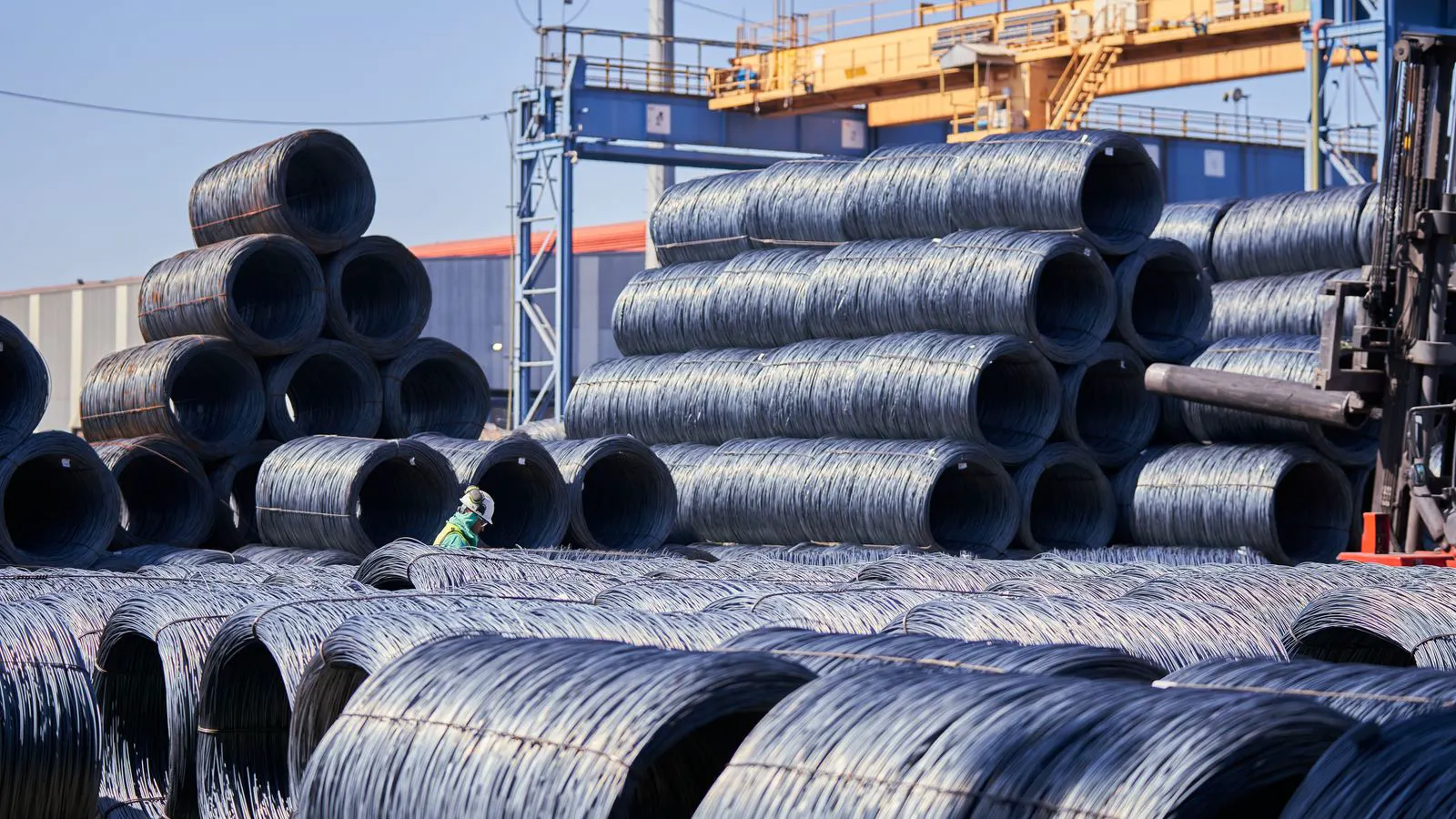
Sourcing fasteners from local suppliers reduces freight and lead time but often increases unit cost. Imported suppliers lower per-piece pricing but add shipping, tariffs, and inventory risk. The optimal choice depends on your volume, tolerance for delay, and quality requirements.
- Local sourcing cuts freight and delivery risk but raises per-piece prices.
- Imported suppliers lower unit cost but add shipping, tariffs, and longer lead times.
- Total cost includes freight, minimum order quantity, quality checks, and inventory carrying.
- Use a structured RFQ to compare quotes fairly across different sourcing options.
- Supplier evaluation should cover traceability, coating verification, and certification records.
How Sourcing Location Changes Unit Price
Unit price is the first number on any quote. It is not the only number that matters. A local supplier may charge more per piece than an overseas manufacturer because of higher local labor costs and smaller production runs. An imported supplier may offer a lower per-piece rate due to scale and lower production overhead.
The difference is rarely as large as people expect. For standard carbon steel bolts, hex nuts, and washers, the gap between local and imported unit prices is often modest. The bigger swings happen with specialty materials, coatings, and precision components.
Stainless steel and alloy fasteners cost more everywhere. The relative difference between local and imported prices depends on the alloy grade and the supplier’s production capacity. A local supplier with a small stainless steel production line may charge a premium over a large overseas plant.
How Freight and Tariffs Alter the Total Cost
Freight moves the math. A local supplier delivers by truck. An imported supplier ships by ocean or air. Ocean freight is cheap per piece but slow. Air freight is fast but expensive.
Tariffs add a percentage or fixed amount to the landed cost. They change the effective unit price after the quote is issued. If your supplier quotes in the export country currency, exchange rate movement affects your spend. A local supplier prices in your currency, which removes that variable.
For small orders, freight can dominate the cost. A pallet of hex bolts from a local yard may cost the same as a container shipment from overseas once you divide the freight by the number of pieces.
How Lead Time Affects Inventory and Cash Flow
Lead time is the time from order to delivery. A local supplier may deliver in a few days. An imported supplier may take several weeks or months.
Longer lead times increase inventory carrying costs. You must hold more stock to cover the gap between orders. You need more warehouse space. You tie up cash in materials that sit on a shelf.
For critical production lines, a delay in fastener delivery stops the assembly process. The cost of a production stop is not visible on the invoice. It shows up as overtime, missed shipments, and customer complaints.
Local sourcing reduces this risk. The supplier is closer. If a problem occurs, you can call, inspect, or replace the shipment quickly. An overseas supplier gives you less control once the shipment is on the water.
How Minimum Order Quantity Changes Procurement Strategy
Local suppliers often work with smaller minimum order quantities. They may ship by the pallet or by the box. You can order a few thousand pieces without a major commitment.
Imported suppliers typically require larger minimums. A single container may hold tens of thousands of pieces. You must buy enough to fill a shipping unit. This can lock up cash and create excess inventory.
If your usage is steady, a larger minimum is manageable. If your usage varies, a small local supplier is more flexible. You can adjust order size to match production needs.
Minimum order quantity also affects quality control. A smaller local lot is easier to inspect. You can check every piece or a larger sample size. A large imported lot is harder to audit. You rely on the supplier’s quality system and your incoming inspection.
How to Compare Quotes Fairly
A quote is not a price. It is a set of terms. Two suppliers may quote similar unit prices but different total costs.
Use a structured request for quotation. Ask for the same data from every supplier. Include the part number, material, coating, quantity, delivery date, and required certifications. Ask for the price in your currency. Ask for the incoterms. Ask for the lead time.
Compare the landed cost, not the unit price. Landed cost includes unit price, freight, insurance, tariffs, and import charges. It is the cost to get the fasteners into your warehouse.
Compare the total cost of ownership. Include quality checks, inventory carrying, and the cost of delays. A cheaper supplier with poor documentation or unreliable delivery may cost more over time.
Cost Drivers in Fastener Procurement
The table below lists the main cost drivers when comparing local and imported fastener suppliers.
| Cost Driver | Local Supplier | Imported Supplier |
|---|---|---|
| Unit Price | Higher per piece | Lower per piece |
| Freight | Low truck or courier cost | Higher ocean or air freight |
| Lead Time | Short | Long |
| Minimum Order Quantity | Lower | Higher |
| Tariffs and Duties | None or low | Applicable |
| Currency Risk | Low | Higher |
| Inventory Carrying | Lower | Higher |
How Supplier Evaluation Affects Total Cost
Supplier evaluation is not just a checklist. It is a cost control method. A supplier with weak traceability records may require more incoming inspection. You spend more time and labor checking material certificates and coating thickness.
A supplier with strong documentation reduces your internal workload. You can rely on their records. You spend less time verifying each shipment.
A supplier with frequent lead time delays forces you to hold safety stock. That inventory costs money. A reliable supplier lets you run leaner inventory.
Use the supplier evaluation process to identify hidden costs. Check their quality system. Check their raw material traceability. Check their coating verification process. Check their ability to meet your delivery windows.
How to Write a Clear RFQ
A clear request for quotation reduces ambiguity and speeds up the comparison.
- List the part numbers and quantities for each fastener type.
- Specify the material grade and coating requirement.
- State the required certifications and test reports.
- Define the delivery date and incoterms.
- Ask for the lead time and minimum order quantity.
- Request the price in your currency and the payment terms.
- Ask the supplier to confirm their quality control process.
A vague quote invites a vague price. A specific quote gives you a real number.
How to Use the Data
The data you collect from quotes and supplier evaluations drives your sourcing decision. Plot the landed cost against the lead time. Plot the minimum order quantity against your usage. Plot the quality risk against the unit price.
The best choice is not always the lowest unit price. It is the lowest total cost with acceptable risk. A local supplier may cost more per piece but deliver faster and with less risk. An imported supplier may cost less per piece but deliver slower and with more risk.
Match the sourcing option to your production needs. For critical, high-usage fasteners, a local supplier may be the better choice. For low-usage, non-critical fasteners, an imported supplier may save money.
For custom or specialty fasteners, the trade-off changes. A local supplier may not have the capacity for a small run. An imported supplier may have the capacity but a long lead time. You must decide which risk you can accept.
How to Monitor Costs Over Time
Sourcing costs change. Raw material prices move. Exchange rates shift. Freight rates change. Your usage changes.
Review your quotes regularly. Re-evaluate your suppliers. Check their lead times and quality performance. Adjust your order quantities as your production changes.
A sourcing decision made today may not be optimal next year. The data you collect now informs the decision then.
Keep records of every quote and every delivery. Track the actual cost against the expected cost. Track the actual lead time against the promised lead time. Track the actual quality against the required specification.
This data builds a reliable picture of total cost. It removes guesswork from the sourcing process. It lets you make decisions based on facts, not assumptions.
Frequently asked questions
Is a local fastener supplier always more expensive than an imported one?
Not always. Local suppliers often charge more per piece, but freight, tariffs, and minimum order quantities can narrow the gap. For small orders, the total cost may be similar.
How do tariffs affect the cost of imported fasteners?
Tariffs add a cost on top of the unit price and freight. They change the landed cost after the quote is issued. You must factor them into your comparison.
What is the main advantage of sourcing fasteners locally?
The main advantage is shorter lead time and lower risk. You can deliver faster, inspect more easily, and respond quickly to production needs.
How can I compare local and imported fastener quotes fairly?
Use a structured request for quotation. Ask for the same data from every supplier. Compare the landed cost, not just the unit price. Include freight, tariffs, and minimum order quantities.
Does supplier quality affect the total cost of fastener procurement?
Yes. A supplier with weak documentation requires more incoming inspection. A reliable supplier reduces your internal workload and inventory needs.


