Outlook: How Raw Material Volatility Impacts Fastener Pricing
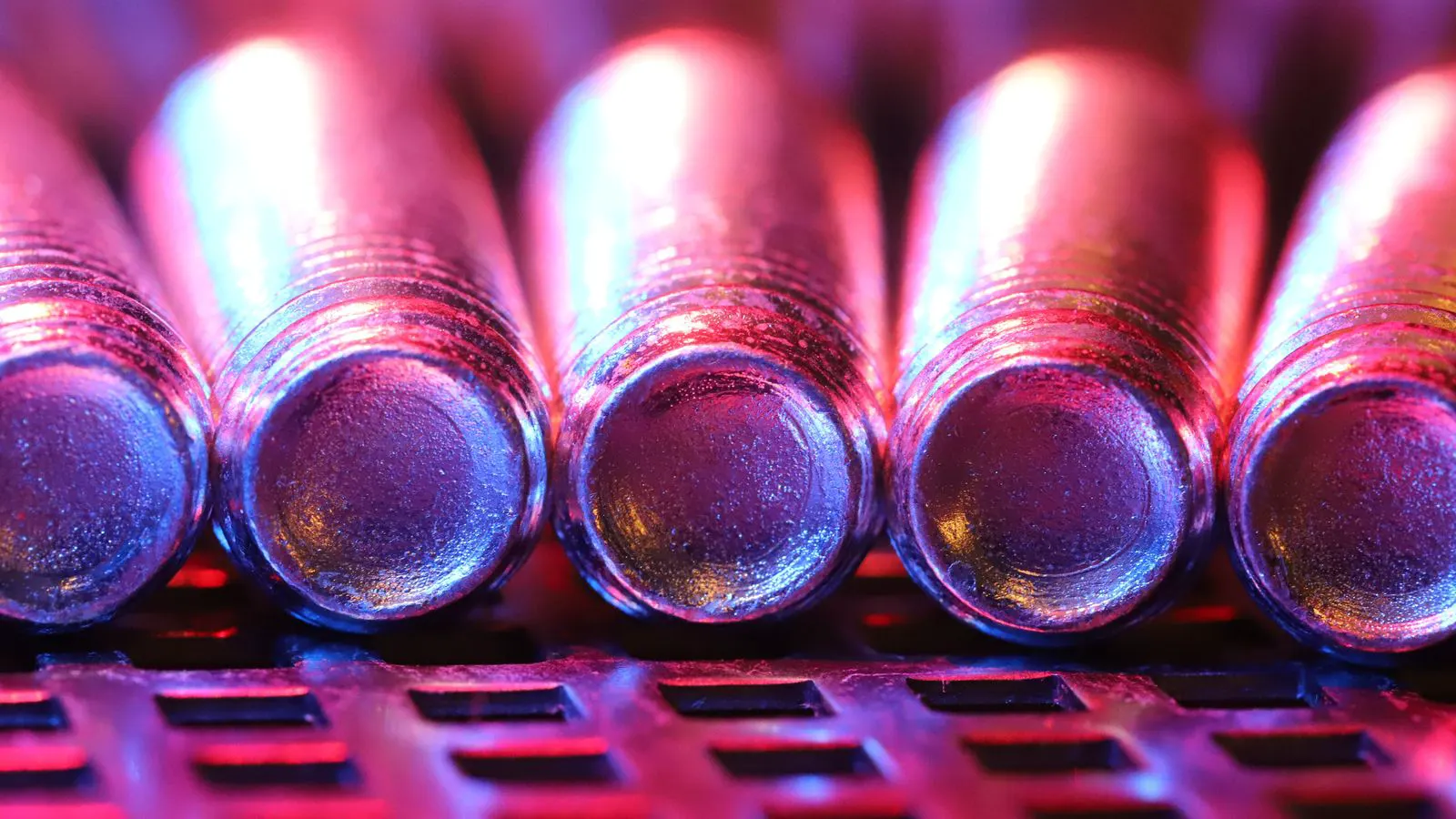
Fastener price trends depend heavily on steel price volatility and raw material costs. These shifts alter supplier margins, minimum order quantities, and delivery lead times. Importers should build buffer stock, lock in raw material indices, and review supplier contracts to protect unit costs.
- Raw material shifts directly influence base metal pricing before manufacturing and coating costs are added.
- Short-term volatility often appears in spot prices before it reaches long-term contract rates.
- Importers can reduce risk by splitting orders, adjusting safety stock, and aligning payment terms with material indices.
- Coating and finishing costs may remain stable even when base metal prices change, altering total landed cost.
- Supplier financial health during material spikes can affect delivery reliability more than price alone.
How raw material moves hit fastener pricing
Steel and copper prices set the floor for most fastener costs. When steel price volatility rises, suppliers pass a portion of that change into unit prices. This happens quickly for spot orders and more slowly for contract buyers.
The shift is visible at the mill level. Hot rolled coil and cold rolled strip determine the cost of raw bar, wire, and sheet. If the supplier buys wire at a higher premium, the price of a hex bolt or machine screw moves up. Coating and plating costs are separate, but the base material is the largest variable.
Buyers often see price adjustments in three ways:
- New quote revisions for open POs.
- Index-linked price clauses in long-term agreements.
- Spot market premiums before the next contract renewal.
The timing matters. A supplier may absorb a short spike to keep you active, then correct the price later. This creates a gap between the cost you planned and the cost you pay.
Why fastener price trends differ by product type
Not all fasteners react the same way to raw material costs. High-volume carbon steel items track steel closely. Specialty alloys and stainless products have a steeper markup because processing is more complex.
| Product Type | Main Material Driver | Typical Price Sensitivity |
|---|---|---|
| Hex bolts, screws | Carbon steel wire or bar | High |
| Stainless screws | Stainless steel bar or wire | High to Very High |
| Copper washers | Copper tubing or strip | Very High |
| Zinc-coated items | Steel base plus zinc coating | Moderate |
| Titanium fasteners | Titanium bar or rod | Moderate |
Copper washers and brass items react strongly to metal exchange moves. A small shift in the copper market can change the unit cost of a flat washer more than a large shift in steel. This is because the raw material is a larger share of the final part cost.
Stainless fasteners have a different structure. The base material is more expensive, and the machining process adds labor and equipment cost. When stainless prices move, the supplier has less room to absorb the change. The price adjustment is often steeper than for carbon steel.
How MOQ and batch size change during volatility
Minimum order quantities often shift when raw material costs rise. Suppliers increase MOQs to spread fixed costs across larger volumes. A buyer who ordered 50,000 units last quarter may face a request for 100,000 units this quarter.
This changes the cost structure. The unit price may drop slightly because the supplier can process a larger run, but the cash flow requirement increases. If your working capital is tight, a higher MOQ can hurt even when the unit price is lower.
You can manage this in a few ways:
- Split orders into smaller batches with staggered delivery dates.
- Agree on a fixed price for a defined quantity over a set period.
- Keep safety stock for critical items to avoid emergency small orders at peak prices.
Emergency small orders are expensive. They require separate setup, inspection, and shipping. During high volatility, the premium for a small rush order can be significantly higher than the base rate.
What to watch in supplier pricing and contracts
Long-term contracts reduce risk but can lock in unfavorable terms if materials drop. Spot orders offer flexibility but expose you to immediate price changes. The right mix depends on your production schedule and inventory policy.
Look for these contract features:
- Raw material index adjustment clauses.
- Price validity windows of 30 to 90 days.
- Notice periods before price increases.
- Volume commitments that match your realistic forecast.
A contract that adjusts every time steel moves can be risky if you have low margins. A fixed price can be risky if steel rises sharply. A middle approach, such as a 5 percent band before adjustment, gives both parties some protection.
You should also review the supplier’s financial health. During material spikes, suppliers with strong cash flow can absorb costs and keep prices stable. Suppliers under financial pressure may pass costs through immediately or reduce quality control to save money.
How coating and finishing affect total cost
Coating costs are often stable, but they can change if the supplier needs to adjust plating bath chemistry or increase plating thickness. Zinc plating and stainless passivation have their own cost drivers.
Zinc plating is cheaper than stainless or titanium, but the coating process adds labor and chemical costs. If the supplier increases plating thickness to meet a new specification, the cost rises. If they reduce thickness to save money, the corrosion performance may drop.
This is where total landed cost matters more than unit price. A supplier with a slightly higher unit price but better coating quality and lower rework rates can cost less over time.
Check for:
- Coating thickness specifications.
- Salt spray test results.
- Surface treatment process documentation.
- Rejection or rework history.
These checks help you avoid a low price that leads to higher replacement costs.
How to prepare for fastener price trends
The best preparation is to build a sourcing plan that accounts for material moves. Do not wait for a price increase to act. Review your supplier list, your inventory levels, and your contract terms on a regular basis.
Start by mapping your top 20 fastener items by annual spend. For each item, note the material, coating, and supplier. Identify which items are most sensitive to steel or copper moves.
Then create a simple plan:
- Keep safety stock for critical items that have long lead times.
- Negotiate index-linked pricing for high-volume items.
- Split orders to reduce cash flow pressure.
- Review supplier financial health before committing to large volumes.
- Track landed cost, not just unit price.
This approach gives you control when the market moves. It also helps you make faster decisions when a supplier raises prices or changes MOQs.
What to do when prices spike
When steel price volatility causes a sudden price increase, do not panic-order. First, confirm the reason. Is the supplier increasing prices for all customers, or is this a one-time adjustment for a specific order?
If the supplier has a price increase notice, review the terms. Ask for the effective date and the scope of the increase. If the increase is due to a short-term material spike, you may be able to negotiate a temporary reduction in MOQ or a phased price adjustment.
If the supplier has no clear reason, compare the new price with other suppliers. A price increase without a material basis may be an opportunity to renegotiate or switch suppliers.
Keep a record of all price changes. This helps you spot patterns and negotiate better terms in the future.
Frequently asked questions
How quickly do fastener prices change when steel prices rise?
Spot orders often reflect steel changes within days or weeks. Long-term contracts may take 30 to 90 days to adjust, depending on the index clause and notice period.
Are stainless fastener prices more sensitive to steel price volatility?
Yes. Stainless has a higher base material cost and more complex processing, so price adjustments are usually steeper than for carbon steel items.
Can I avoid MOQ increases during material spikes?
You can reduce the risk by splitting orders, keeping safety stock, and negotiating fixed-price contracts before the spike. Emergency small orders are more expensive and less flexible.
How do coating costs affect the final price?
Coating adds a fixed or variable cost on top of the base metal. Changes in coating thickness or process can affect the total price even if the raw material cost stays stable.
What should I check before signing a long-term fastener contract?
Check the index adjustment clause, price validity period, volume commitment, and supplier financial health. These factors determine how much risk you hold during material moves.


