Fixing Flaking and Peeling on Coated Industrial Fasteners
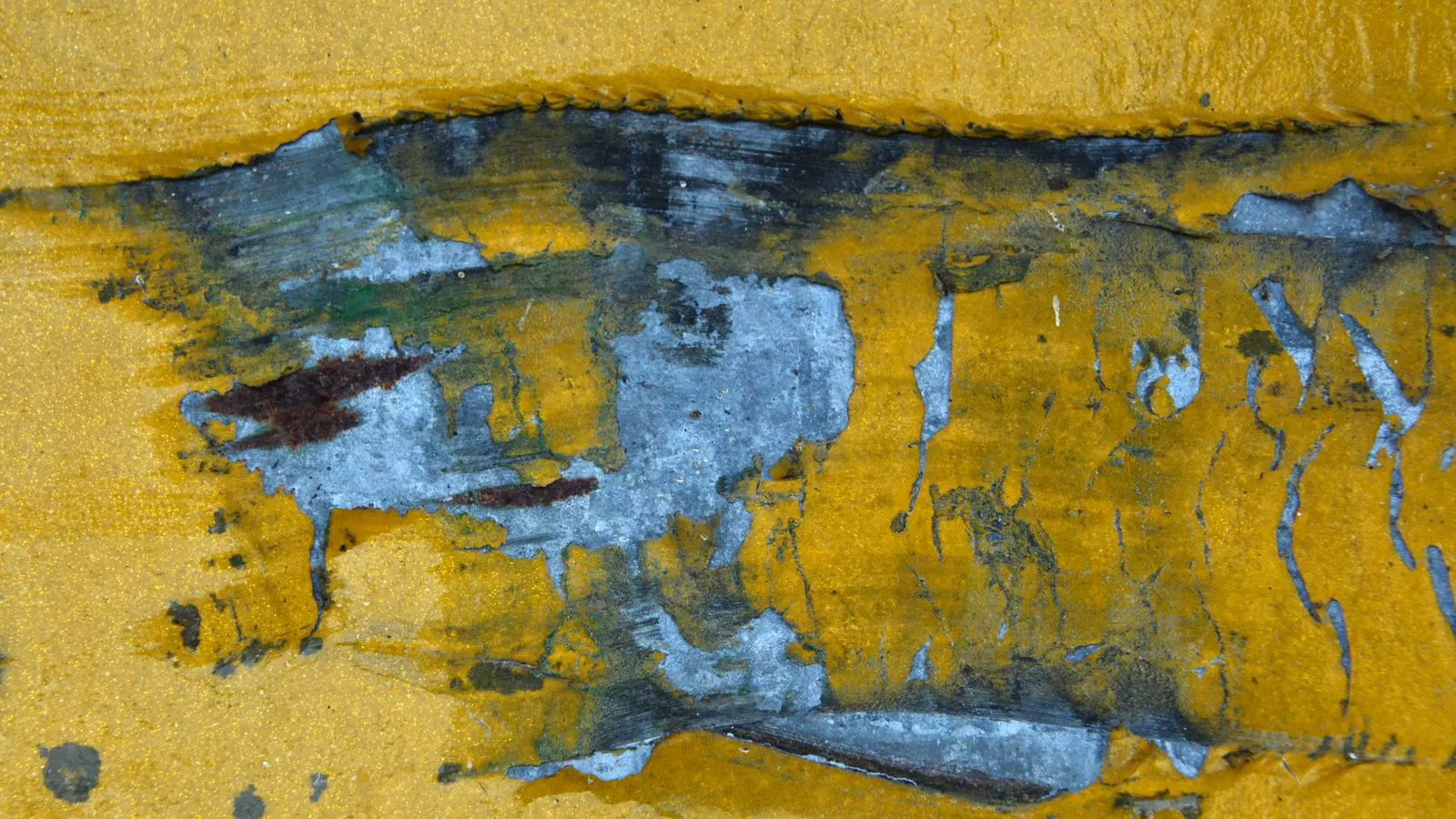
Flaking and peeling on coated fasteners stem from substrate prep, coating selection, or handling errors. This guide maps symptoms to causes and corrective actions so site supervisors can isolate bad batches, rework affected stock, and prevent recurrence.
- Flaking and peeling usually trace back to a substrate prep failure, a coating type mismatch, or mechanical damage during handling.
- A structured symptom-to-cause table helps supervisors isolate whether the fault lies in the mill, the coating line, or the receiving dock.
- Incoming inspection must check adhesion, thickness, and visual condition before the fasteners enter production or storage.
- Corrective actions range from rework and sorting to rejecting the batch and retraining operators on handling.
- Prevention depends on specifying the right coating for the service, verifying vendor coating processes, and controlling storage and transport.
Why Coated Fasteners Flake and Peel
Coating failure on industrial fasteners shows up as flaking, peeling, cracking, or lifting of the surface layer. The problem is rarely the coating chemistry itself. It almost always traces back to what happened before the coating was applied, or what happened after. Substrate prep, coating type selection, and handling after the line are the three failure points that matter most.
When a batch of coated fasteners arrives at a plant and a supervisor sees flaking on the threads or the head face, the first question is not what coating it is. The first question is what the coating was supposed to be protecting, and whether the substrate under it was clean, dry, and compatible. A zinc coating on a oily steel surface will lift. A phosphating layer over a poorly etched base will crack. A passivated stainless fastener with a thin organic film will blister if the film was applied over residual moisture.
This article maps the common symptoms of coating defects to their likely causes and gives site supervisors a practical set of checks and corrective actions. It is written for the people who receive the goods, run the lines, and make the call on whether a batch is usable, needs rework, or must be rejected.
The Main Coating Types and Their Failure Modes
Coating types determine how a fastener behaves in service, but they also determine how it fails when something goes wrong. Understanding the failure signature of each coating helps narrow the diagnosis.
Zinc coatings, whether electroplated or hot-dip, are the workhorse of corrosion protection. Electroplated zinc is thin and bright, but it is sensitive to adhesion. If the steel is not degreased properly, the zinc will lift in patches. Hot-dip zinc is thicker and more forgiving in thickness, but it can show spalling if the steel surface was not properly cleaned. The zinc layer is sacrificial, so once it is gone, the steel underneath rusts quickly.
Chromate conversion coatings and similar phosphating or black oxide processes are not corrosion protection in the same sense. They are surface treatments that improve corrosion resistance and provide a base for lubrication or paint. They are thin. They are brittle. They crack under vibration or if the substrate is stressed. Peeling of these coatings is a sign that the film was not properly cured or that the fastener was handled roughly.
Stainless steel fasteners often do not carry a separate coating. When they do, it is usually a thin organic film, a passivation layer, or a decorative finish. These finishes are cosmetic or protective against light corrosion. Flaking on stainless is usually a sign that the finish was applied over a dirty or wet surface, or that the finish was damaged in transit.
The key point is that each coating type has a different failure signature. A thin organic film lifting in a curved shape is not the same as a thick zinc layer spalling off a flat face. Matching the symptom to the coating type is the first step in diagnosis.
Common Symptoms, Likely Causes, and Corrective Actions
The table below covers the symptoms supervisors see most often on the receiving dock, in the warehouse, and on the production floor. It maps each symptom to its most likely cause and to the action to take.
| Symptom | Likely cause | What to do |
|---|---|---|
| Flaking in small patches on flat faces | Inadequate degreasing before coating; oil or grease trapped under the film | Inspect the batch for uniformity. If widespread, reject the batch. If isolated, clean the affected fasteners and reapply coating where possible. |
| Peeling along the threads | Thread contamination or improper thread preparation before coating | Check thread area for residue. If the coating is lifting on the threads, the fastener may not be structurally reliable. Reject or rework if the process allows. |
| Cracking under vibration or after assembly | Coating is brittle; fastener was handled roughly or the coating type is not suited to the service | Identify the coating type. If it is a thin organic or conversion coating, the fastener may need to be replaced with a more robust coating or a different material. |
| Blistering or bubbling | Moisture trapped under the coating; poor curing or drying | Inspect for moisture. If the blistering is widespread, reject. If isolated, assess whether the fastener can be used in a non-critical application. |
| Spalling of thick zinc layer | Hot-dip zinc applied to poorly cleaned steel; thermal shock during quenching | Check the zinc thickness and adhesion. If the layer is lifting, the fastener is exposed to rapid corrosion. Reject or rework if the vendor offers a rework service. |
| Uneven coverage with bare spots | Masking failure, coating bath issues, or fastener orientation during coating | Inspect the affected areas. If the bare spots are on critical contact surfaces, reject. If they are on non-critical areas, assess with the engineering team. |
The table is a starting point, not a definitive answer. The likely cause listed is the most common one. There are always exceptions. A flaking patch on a flat face could be a coating issue, or it could be that the fastener was dropped on a concrete floor before shipment. The corrective action depends on the scope of the defect and the criticality of the fastener in the application.
Root Cause Analysis: Substrate Prep, Coating, and Handling
Most coating failures can be traced to one of three stages. The first is substrate prep. The second is the coating process. The third is handling and storage after coating.
Substrate prep is the most common root cause. Steel fasteners come off the mill with mill scale, oil, and dirt. If the degreasing or cleaning step is insufficient, the coating will not bond. The result is flaking and peeling. The fastener may look perfect on the outside, but the coating will lift under load or moisture. Supervisors should ask the vendor for their substrate prep procedure. What solvent did they use? How long was the fastener in the bath? Was the drying step adequate?
The coating process is the second failure point. Even with a clean substrate, the coating can fail if the process is not controlled. Bath temperature, chemical concentration, and cure time all matter. A zinc bath that is too cold will not deposit properly. A phosphating bath that is not at the right pH will produce a weak film. The vendor should be able to provide process records or a certificate of coating. If they cannot, the risk is higher.
Handling and storage are the third failure point. A perfectly coated fastener can be damaged in transit or in the warehouse. A pallet of coated fasteners dropped onto a concrete floor will have chipped or cracked coatings. A fastener stored in a humid environment will have its coating blister if the coating is not fully cured. Supervisors should check the packaging, the transport history, and the storage conditions.
Incoming Inspection Checks for Coated Fasteners
Before a batch of coated fasteners is put into production, it should go through a structured incoming inspection. The goal is to catch coating defects before they reach the assembly line. The inspection should cover visual checks, adhesion checks, and thickness checks where applicable.
Visual inspection is the first step. Look for flaking, peeling, cracking, blistering, and uneven coverage. Use a magnifying lamp if the fastener is small. Check the threads, the head face, and the shank. Look for bare spots and for coating that is lifting at the edges. A fastener with a small chip may be usable. A fastener with a large patch of bare metal is not.
Adhesion testing is the second step. A simple pull test or a tape test can reveal weak adhesion. The tape test involves applying a strong adhesive tape to the coating and pulling it off quickly. If the tape lifts a patch of coating, the adhesion is poor. This test is destructive, so it should be done on a sample, not on the whole batch. The sample should be selected randomly from the batch, not from the top of the pallet.
Thickness testing is the third step where applicable. For zinc coatings, a thickness gauge can be used. The measurement should be taken at several points on the fastener. The average thickness should be within the specified range. A coating that is too thin will not protect. A coating that is too thick may indicate a process problem. The vendor should specify the minimum thickness in the purchase order.
The inspection should be documented. Record the batch number, the date, the inspector, the sample size, and the results. If the batch fails, record the reason. If the batch passes, record the acceptance. This documentation is critical when a coating failure appears in service. It shows that the batch was inspected and accepted.
Corrective Actions for Affected Batches
When a batch of coated fasteners shows coating defects, the corrective action depends on the severity and the criticality of the application. The options range from rework to rejection.
Rework is the first option. If the coating is lifting in small areas, the fastener may be cleaned and recoated. This is possible if the vendor offers a rework service or if the plant has the capability. The fastener must be cleaned thoroughly before recoating. The old coating must be removed from the affected areas. The recoated fastener must be inspected again before it is put into service.
Sorting is the second option. If the defects are isolated, the batch can be sorted. The affected fasteners are set aside. The acceptable fasteners are used. This works when the defect rate is low. If more than a small percentage of the batch is affected, sorting is not practical. The cost of sorting and rework may exceed the cost of replacing the batch.
Rejection is the third option. If the defects are widespread, the batch is rejected. The vendor is notified. The batch is returned or disposed of according to the purchase agreement. The vendor should be asked to provide a root cause analysis and a corrective action plan. The rejection should be documented and recorded in the supplier quality file.
The corrective action should not end with the immediate batch. It should trigger a review of the supplier and the process. If the same vendor has repeated coating defects, the purchasing team should review the supplier. If the plant handling is the issue, the operations team should review the storage and transport procedures.
Prevention: Specifying the Right Coating and Controlling the Supply Chain
Preventing coating failure starts with the specification. The coating type must be chosen for the service. A fastener in a marine environment needs a different coating than a fastener in a dry indoor environment. A fastener in a high-temperature application needs a different coating than a fastener at room temperature. The coating type must be specified in the purchase order. The vendor must confirm that the coating is available and that the process is under control.
The second prevention step is to control the supply chain. The vendor must use a controlled substrate prep process. The coating bath must be monitored. The fasteners must be handled with care during coating and packaging. The vendor should be able to provide process records and certificates. The purchasing team should review the vendor’s quality system periodically.
The third prevention step is to control the receiving and storage. The fasteners must be inspected on arrival. The packaging must be intact. The storage area must be dry and clean. The fasteners must not be dropped or stacked in a way that damages the coating. The operations team should be trained on handling coated fasteners. A single dropped pallet can ruin a batch.
Prevention is not a one-time event. It is a continuous process. The specification must be reviewed when the service changes. The supplier must be reviewed when the process changes. The receiving and storage procedures must be reviewed when the warehouse changes. Coating failure is not a mystery. It is a chain of failures, and each link can be broken.
What to Do When the Coating Fails in Service
Coating failure can appear in service, long after the fastener has been received and installed. The fastener may be in a structure, a machine, or a vehicle. The coating may flake or peel due to vibration, moisture, or chemical exposure. The supervisor must determine whether the failure is a coating problem or a service problem.
The first step is to isolate the affected fasteners. Identify the batch number and the location. Check the service conditions. Was the fastener exposed to moisture? Was it subject to vibration? Was the environment corrosive? The service conditions will tell you whether the failure is expected or unexpected.
The second step is to assess the remaining service life. If the coating is lifting but the fastener is still structurally sound, the fastener may be usable for a period. If the coating is gone and the steel is exposed, the fastener is at risk of rapid corrosion. The engineering team must decide whether the fastener can be replaced or whether the structure must be modified.
The third step is to document the failure. Take photos. Record the fastener part number, the batch number, the coating type, and the service conditions. Send the information to the vendor and the engineering team. The failure data will be used to improve the specification or the process.
Coating failure in service is a signal. It tells you that something went wrong somewhere in the chain. The goal is not to blame a single person. The goal is to fix the process so that the next batch does not fail.
Frequently asked questions
Can a flaking coated fastener be repaired?
In some cases, yes. If the flaking is isolated and the fastener is not critical, the affected area can be cleaned and recoated. If the fastener is in a critical application or the flaking is widespread, replacement is safer.
What is the most common cause of peeling on threaded fasteners?
Thread contamination before coating is the most common cause. Oil, dirt, or scale on the threads prevents the coating from bonding. The result is peeling along the threads.
How do I know if a coating is too thin?
Use a thickness gauge. The measurement should be within the range specified in the purchase order. If the coating is below the minimum thickness, the fastener may not be protected.
Should I reject a batch with small chips on the coating?
It depends on the criticality. If the chips are small and on non-critical areas, the fastener may be usable. If the chips are on contact surfaces or the fastener is in a corrosive environment, reject the batch.
What should I ask the vendor when I receive a defective batch?
Ask for the substrate prep procedure, the coating process records, and a root cause analysis. Ask for a corrective action plan and a revised specification if needed.


