Galvanized vs Stainless Steel Fasteners: Strength and Corrosion
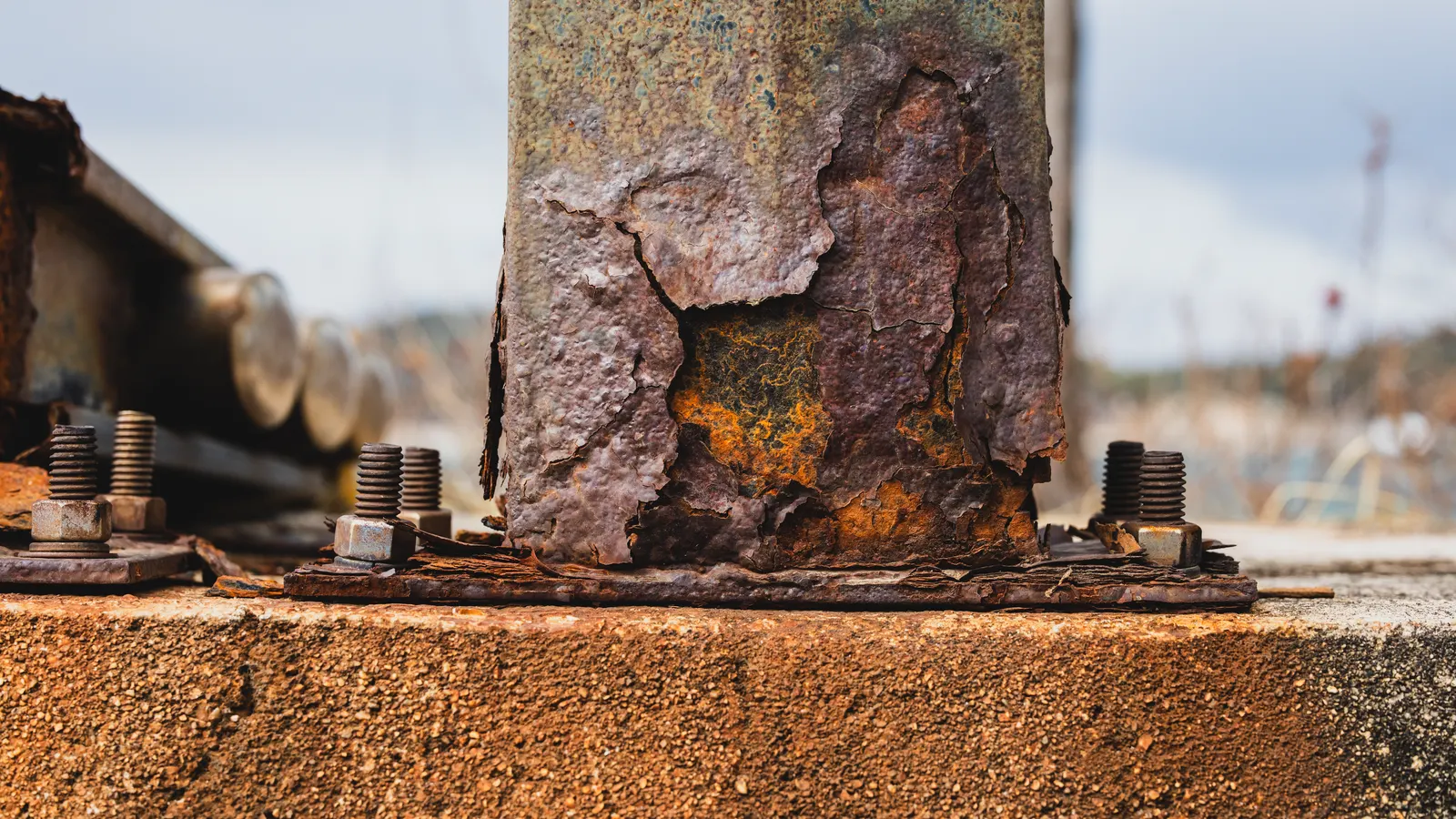
Engineers must weigh mechanical strength against corrosion resistance when selecting stainless steel fasteners. Galvanized options offer higher strength at lower cost but require thicker coatings. Stainless steel provides superior long-term corrosion protection for harsh environments.
- Stainless steel fasteners offer superior corrosion resistance and are preferred for marine and chemical environments.
- Galvanized fasteners provide higher tensile strength per diameter and are more cost-effective for general structural uses.
- Material selection depends on the specific environmental exposure, load requirements, and service life expectations of the project.
Mechanical Properties and Tensile Strength
Stainless steel fasteners generally offer high tensile strength, but the specific value depends heavily on the grade and heat treatment. Grades 300 series, such as 304 and 316, have moderate strength suitable for many structural applications. Grades 400 series, like 410 and 434, provide significantly higher strength, rivaling or exceeding many carbon steel equivalents.
Hot-dip galvanized fasteners are typically made from carbon steel or alloy steel. The base material itself often has higher yield and ultimate tensile strengths than standard 300 series stainless steel. For example, a Grade 8.8 carbon steel bolt with a zinc coating will generally have a higher ultimate tensile strength than a Grade A2 (304) stainless steel bolt of the same nominal size.
The galvanizing process itself adds minimal mass but does not significantly alter the core mechanical properties of the steel. However, the coating thickness can slightly reduce the effective cross-sectional area of the shank, though this is negligible in standard engineering calculations for most applications.
| Option | Best for | Limitations |
|---|---|---|
| 300 Series Stainless Steel | General corrosion resistance, food processing, architectural | Lower strength than high-grade carbon steel, susceptible to pitting in chlorides |
| 400 Series Stainless Steel | High strength, corrosive environments, medical | Higher cost, potential for work hardening, requires proper welding practices |
| Hot-Dip Galvanized Carbon Steel | Heavy structural loads, high strength requirements, cost-sensitive projects | Limited corrosion life in marine or chemical environments, coating thickness variance |
| Galvanized Alloy Steel | Moderate strength, general outdoor use | Corrosion protection depends entirely on coating integrity, not the base metal |
Corrosion Resistance Profiles
Corrosion resistance is the primary differentiator between these two material families. Stainless steel contains a minimum of 10.5 percent chromium, which forms a passive, self-healing oxide layer on the surface. This layer protects the underlying metal from oxygen and moisture. The specific composition determines the level of protection.
Grade 304 stainless steel is resistant to general atmospheric corrosion and many acids. Grade 316 contains molybdenum, which improves resistance to chlorides. This makes 316 the standard choice for marine applications and coastal environments.
Hot-dip galvanizing is a sacrificial coating. The zinc layer corrodes before the base steel. As long as the zinc coating remains intact, the steel is protected. Once the coating is scratched, abraded, or depleted, the underlying carbon steel begins to rust. The thickness of the zinc layer is critical. Thicker coatings last longer in aggressive environments.
Environmental Exposure and Service Life
The choice between stainless steel and galvanized fasteners hinges on the specific environmental conditions. Indoor applications with low humidity favor cost-effective galvanized options. Outdoor applications exposed to rain, UV, and temperature fluctuations require careful assessment.
Marine and coastal environments present the most severe challenges. Salt spray accelerates the breakdown of zinc coatings. Stainless steel, particularly 316, performs significantly better here. However, even 316 stainless can suffer from pitting if exposed to concentrated chlorides. Duplex stainless steels offer higher resistance but come at a premium.
Chemical environments, such as those found in chemical plants or wastewater treatment facilities, may require specific alloy selection. Standard galvanized coatings dissolve rapidly in acidic or alkaline conditions. Stainless steel grades are selected based on the specific chemical exposure, including temperature and concentration.
Strength-to-Weight and Cost Considerations
Stainless steel is denser than many carbon steels. For applications where weight is a critical factor, such as aerospace or mobile structures, the weight penalty of stainless steel must be calculated. However, the weight difference between a 304 stainless bolt and a carbon steel bolt of the same size is minimal and rarely the deciding factor in standard construction.
Cost is a significant factor. Galvanized fasteners are generally less expensive than stainless steel equivalents. The cost differential is driven by raw material costs and processing. Stainless steel requires more expensive alloying elements and often more complex processing. For large-scale projects with millions of fasteners, the savings from galvanized options can be substantial, provided the corrosion life is adequate.
Lead times and availability also vary. Stainless steel fasteners are widely available in standard sizes. Special grades or large sizes may have longer lead times. Galvanized fasteners are also commonly stocked, but specific coating thicknesses or plating processes may require custom ordering.
Selection Criteria for Engineering Design
Engineers must define the design life and maintenance schedule. A fastener designed for a 50-year lifespan without maintenance in a marine environment requires a material with exceptional corrosion resistance. Galvanized fasteners would likely require periodic inspection and replacement. Stainless steel, especially high-grade 316 or duplex, is better suited for long-term, low-maintenance applications.
Load requirements dictate the minimum strength grade. If the structural load requires a high yield strength, standard 300 series stainless may not be sufficient. In such cases, engineers might choose 400 series stainless, high-strength galvanized carbon steel, or high-strength stainless grades. The selection must align with the governing engineering codes and standards.
Common Installation and Maintenance Pitfalls
Galvanized fasteners are susceptible to coating damage during installation. Hammering, over-tightening, or using abrasive tools can scratch or chip the zinc layer. This creates galvanic corrosion cells that accelerate rusting. Proper handling and tooling are necessary to preserve the coating.
Stainless steel fasteners have a different set of issues. Galvanic corrosion can occur if stainless steel is in contact with dissimilar metals, such as carbon steel. This is particularly common in architectural applications where stainless fasteners are used to secure carbon steel structural members. Isolation materials or appropriate material selection are required to prevent this.
Work hardening is a concern with stainless steel fasteners. Repeated tightening and loosening can increase the hardness of the fastener, potentially leading to brittleness and failure. Designers must account for this in applications involving frequent disassembly.
Practical Recommendations for Specifiers
For general industrial and commercial buildings, galvanized carbon steel fasteners are a standard choice for internal and sheltered external applications. They offer the best balance of strength, cost, and adequate corrosion resistance.
For exterior architectural cladding, coastal structures, and marine applications, stainless steel fasteners are the preferred option. Specify the grade based on the chloride content of the environment. Grade 316 is the minimum standard for coastal use.
For high-strength structural connections where corrosion is a concern but weight is not, consider high-strength stainless steel or galvanized high-strength carbon steel. The choice depends on the expected service life and maintenance budget.
Always review the manufacturer’s material test certificates for each lot of fasteners. Verify the material grade and coating thickness. Incoming goods inspection is a critical control point to ensure the supplied material matches the specification.
Conclusion
The selection between stainless steel and galvanized fasteners is a trade-off between corrosion resistance and mechanical strength. Stainless steel provides superior long-term protection in aggressive environments. Galvanized fasteners offer higher strength and lower cost for general applications. Engineers must evaluate the specific environmental exposure, load requirements, and service life to make the correct selection.
Frequently asked questions
Can galvanized fasteners be used in marine environments?
Hot-dip galvanized fasteners are generally not recommended for prolonged marine exposure. The zinc coating will degrade significantly in salt spray. Stainless steel, particularly Grade 316, is the standard choice for marine applications.
What is the difference between 304 and 316 stainless steel fasteners?
Grade 304 is resistant to general corrosion but vulnerable to chlorides. Grade 316 contains molybdenum, which significantly improves resistance to chloride-induced pitting, making it suitable for marine and coastal environments.
Do galvanized fasteners require maintenance?
Yes, galvanized fasteners require periodic inspection to ensure the coating remains intact. In aggressive environments, the zinc layer will eventually be depleted, exposing the base steel to rust.
Can stainless steel and galvanized fasteners be used together?
Mixing stainless and galvanized fasteners in the same assembly can cause galvanic corrosion. The zinc coating on the galvanized fastener may corrode faster when in contact with the stainless steel. Isolation or material separation is recommended.
How do I verify the material of fasteners I purchase?
Request Material Test Certificates (MTCs) from the supplier. These documents should specify the material grade, chemical composition, and mechanical properties. Inspect incoming goods for coating thickness and surface condition.


