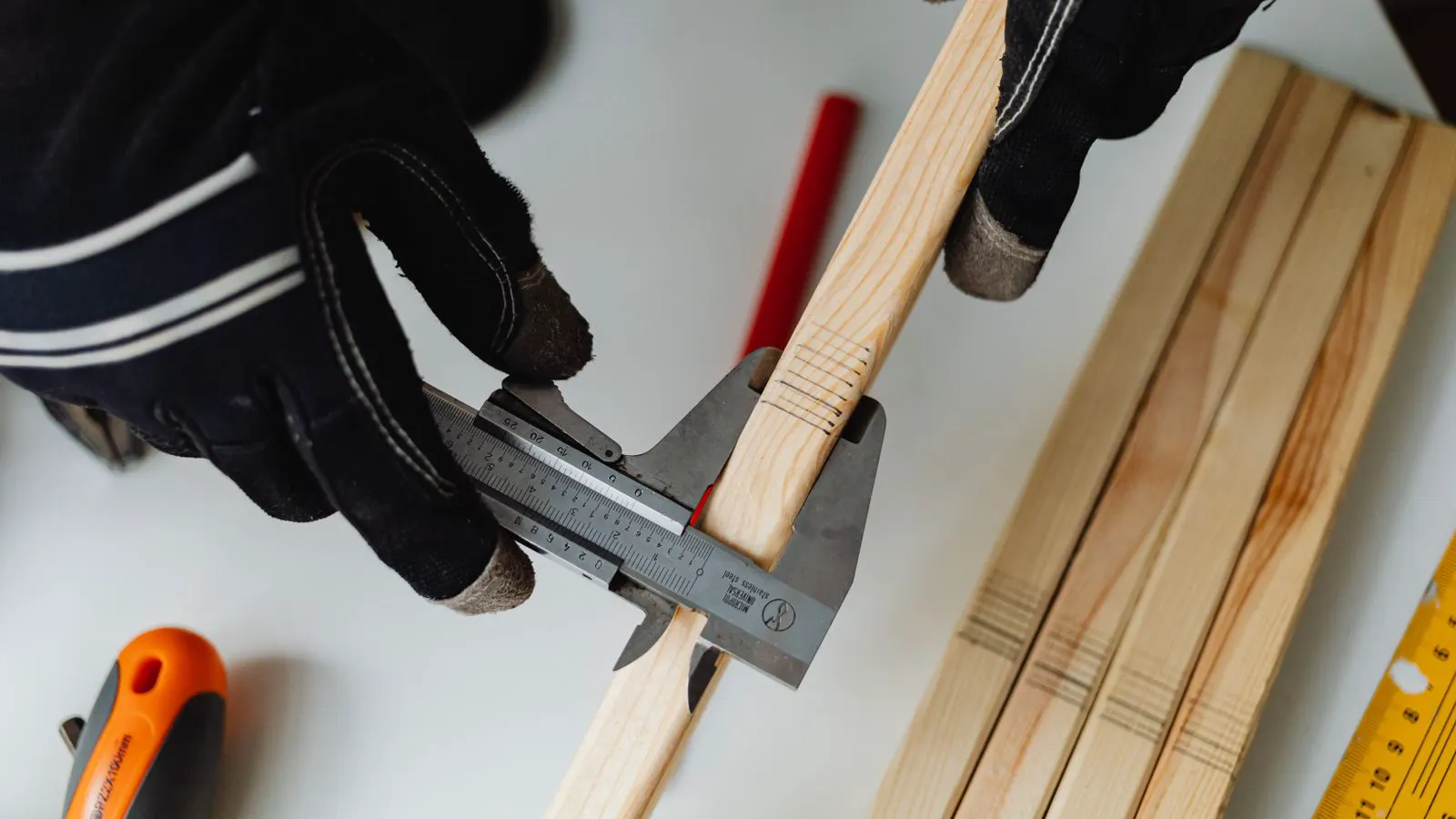
Comparison: Room Temperature vs High-Temp Bolt Coatings
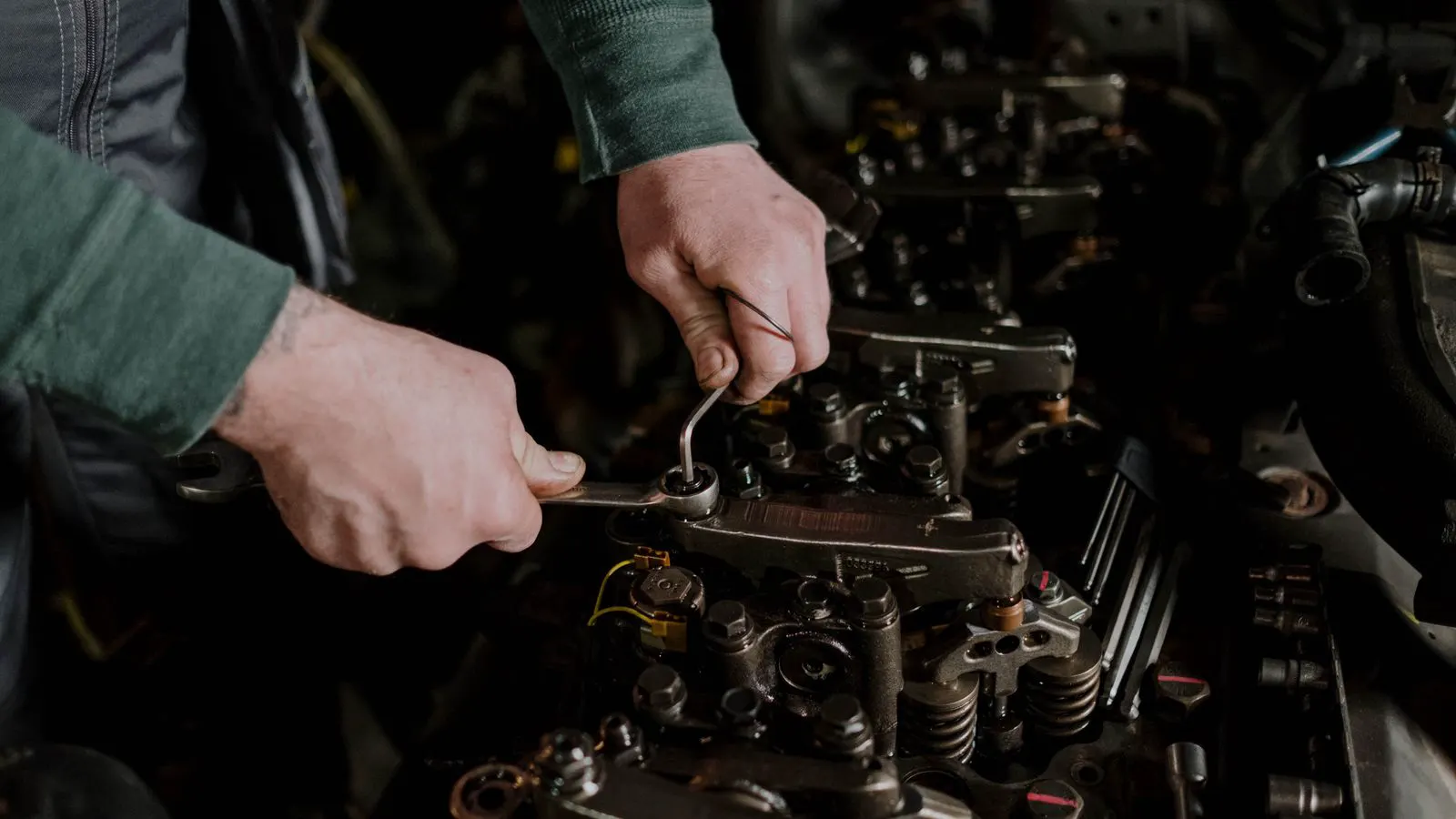
Choose high-temp bolt coatings based on the maximum service temperature and heat cycle frequency. Room temperature options offer low cost but fail in heat. High-temperature systems protect against oxidation and strength loss. Match the coating to the application.
- Room temperature coatings lose adhesion and strength when exposed to heat cycles.
- High-temperature bolt coatings must resist oxidation and prevent strength loss.
- Selection depends on maximum service temperature and cycle frequency.
- Verify coating thickness and adhesion before specifying for critical joints.
- Match the coating system to the base material and environment.
Why Coating Selection Fails in Heat
Most fastener failures in hot environments trace back to coating choice. A zinc plating that performs well in a cold warehouse starts to flake when it sees repeated temperature swings. The problem is not just the plating. It is the loss of adhesion and the breakdown of the protective layer under thermal stress.
Engineers often specify coatings for cost or appearance. That works for storage and low heat. It fails when the bolt sits near a furnace, exhaust manifold, or kiln. The coating becomes a liability, trapping moisture and accelerating corrosion under the surface.
The decision comes down to two variables. Maximum service temperature and heat cycle frequency. A bolt that reaches 150 degrees Celsius once a month needs different protection than one that cycles through 400 degrees Celsius every hour.
Room Temperature Coatings: What They Do and Do Not Do
Room temperature bolt coatings are designed for ambient or low heat conditions. Common options include zinc plating, zinc flake, and some organic coatings. They offer corrosion resistance and good mechanical properties in normal service.
Zinc plating is the most common choice. It is cheap and widely available. The process involves electroplating or mechanical application. The coating protects by sacrificial corrosion. When the zinc layer corrodes, it absorbs the attack before the base steel does.
The limitation is heat. Zinc starts to degrade at temperatures above 125 degrees Celsius. At higher temperatures, the coating can oxidize, blister, or lose adhesion. The plating becomes brittle. Cracks form during thermal expansion. Moisture gets trapped under the coating. Corrosion begins at the interface.
Organic coatings, such as certain paints or polymer finishes, have similar limits. They are not meant for sustained heat. The binder breaks down. The film cracks. The coating peels off.
High-Temp Bolt Coatings: How They Differ
High-temp bolt coatings are engineered for sustained or cyclical heat. They use different chemistries. They often rely on oxidation resistance rather than sacrificial corrosion.
Common systems include high-temperature zinc alloys, nickel plating, and certain ceramic or oxide conversion coatings. Some are applied by hot dip, others by electroless processes. The goal is to create a barrier that stays attached and remains protective as the temperature rises.
These coatings handle temperatures from 300 degrees Celsius to over 800 degrees Celsius. The specific limit depends on the system. A nickel-based coating may outperform a zinc alloy in oxidative environments. A ceramic system may handle higher peak temperatures but may be brittle.
Thermal stability is the key metric. The coating must not crack, spall, or lose adhesion during repeated heating and cooling. It must also maintain the mechanical properties of the bolt. If the coating changes the stress distribution, the joint may fail even if the coating looks intact.
Comparison Table for Coating Types
The table below compares the main options. Use it to filter your requirements before you talk to suppliers.
| Option | Best for | Limitations |
|---|---|---|
| Zinc plating | Low heat, high corrosion, cost sensitive | Fails above 125 degrees, loses adhesion in heat cycles |
| Zinc flake | Moderate heat, good corrosion, easy apply | Lower strength than plating, not for high heat |
| Nickel plating | High heat, oxidative environments, mixed metals | Cost, hydrogen embrittlement risk, requires baking |
| High-temp alloys | Sustained heat, 300 to 600 degrees | Cost, application complexity, adhesion checks |
| Ceramic/oxide | Peak high heat, non-oxidizing environments | Brittle, limited corrosion protection, brittle failure |
When to Pick Each Option
Pick zinc plating when the bolt stays below 125 degrees Celsius and corrosion is the main risk. This works for structural connections, general machinery, and outdoor storage. The cost is low. The process is fast. You can source it from almost any plating shop.
Pick zinc flake when you need a corrosion barrier that can handle moderate heat and you want a simpler application process. It is a good choice for automotive brackets, agricultural equipment, and parts that sit in damp environments but not near open flames.
Pick nickel plating when the service temperature exceeds 300 degrees Celsius and the environment is oxidative. This is common in exhaust systems, combustion chambers, and some chemical processing. The cost is higher. The process requires careful control. You must manage hydrogen embrittlement.
Pick high-temperature alloys when the bolt sees sustained heat between 300 and 600 degrees Celsius. This covers many industrial furnaces, heat exchangers, and turbine components. The coating must be thick enough to survive the cycles. Adhesion testing is non-negotiable.
Pick ceramic or oxide coatings when the peak temperature is very high and the environment is non-oxidizing. This is rare in bolted joints but appears in some aerospace and high-temperature laboratory equipment. The coating is brittle. It is not a general corrosion solution.
Verification: What to Check Before You Specify
A coating specification is only as good as the verification. Do not rely on a color code or a supplier name. Request the data.
First, confirm the maximum continuous service temperature. Ask the coating supplier for the upper limit. Compare it to your application. Add a margin. If your peak is 400 degrees, do not pick a coating rated for 400 degrees.
Second, check the heat cycle rating. Ask how many cycles the coating can withstand. A coating that survives 10 cycles may fail at 100. The frequency matters. Slow cycles cause more damage than fast ones because the material has time to expand and contract.
Third, verify the coating thickness. A thin coating fails faster. Request a minimum thickness. For high heat, thickness is more forgiving. It buffers against thermal shock.
Fourth, require adhesion testing. A coating that looks good but lifts at the edge will fail. Ask for a specific adhesion test method. The test should be performed on a coupon of the same base material.
Fifth, check the base material. Some coatings do not bond to certain alloys. Stainless steel, for example, needs different surface preparation than carbon steel. The coating may be fine on the spec sheet but fail in your environment because the surface prep was wrong.
Common Mistakes in Coating Selection
The most common mistake is picking a coating based on cost. A cheaper zinc plating saves money upfront. It costs more when the joint fails in three months.
The second mistake is ignoring the heat cycle frequency. A bolt that reaches 250 degrees once a day has a different life than one that cycles through 250 degrees every hour. The frequency drives the failure rate.
The third mistake is skipping adhesion checks. A coating can be the right chemistry and still fail if the surface is dirty or the base material is wrong. Always verify.
The fourth mistake is assuming the coating protects the thread. Most coatings are applied to the entire bolt. The thread is the critical area. If the thread is not protected, the joint corrodes from the inside out. Check the thread spec.
The fifth mistake is not documenting the service temperature. If you do not know the peak temperature, you cannot pick a coating. Measure it. Use a thermocouple. Do not guess.
Final Selection Checklist
Use this checklist to finalize your choice.
- Identify the maximum continuous service temperature.
- Identify the peak temperature during heat cycles.
- Count the number of heat cycles per day or week.
- Check the environment. Is it oxidative or non-oxidizing?
- Select a coating that exceeds the peak temperature by a margin.
- Verify the coating thickness and adhesion.
- Confirm the base material compatibility.
- Request test data from the supplier.
- Approve a sample batch before full production.
- Document the specification in the purchase order.
This process takes time. It prevents failures. A failed bolt in a hot environment can shut down a line. The cost of a proper specification is small compared to the cost of a failure.
Frequently asked questions
What is the maximum temperature for standard zinc plating?
Standard zinc plating is generally rated for continuous service up to 125 degrees Celsius. Above that, it begins to degrade and lose adhesion.
How do I know if my bolt needs a high-temp coating?
If the service temperature exceeds 125 degrees Celsius or the bolt experiences frequent heat cycles, a high-temp coating is required.
Can I use the same coating for different materials?
No. Coatings often require different surface preparation and base material compatibility. Always verify with the supplier.
What is the best coating for 400 degrees Celsius?
Nickel plating or high-temperature alloy coatings are typically used for 400 degrees Celsius. Select based on the environment and cycle frequency.
Do I need to test the coating after application?
Yes. Adhesion and thickness checks are required. Do not skip this step for critical joints.