Buyers Guide to Selecting Fasteners for Marine Environments
Marine fastener selection requires matching material chemistry, coating durability, and joint design to specific saltwater conditions. This guide outlines the key criteria buyers and engineers use to evaluate corrosion resistant bolts and saltwater fasteners for long-term service life.
- Match material chemistry to the service environment to prevent galvanic corrosion.
- Coatings extend life but require proper surface preparation and edge protection.
- Verify thread engagement and joint design to avoid stress risers that accelerate failure.
- Document material certifications and coating thickness for audit and warranty support.
Why General Purpose Steel Fails at the Dock
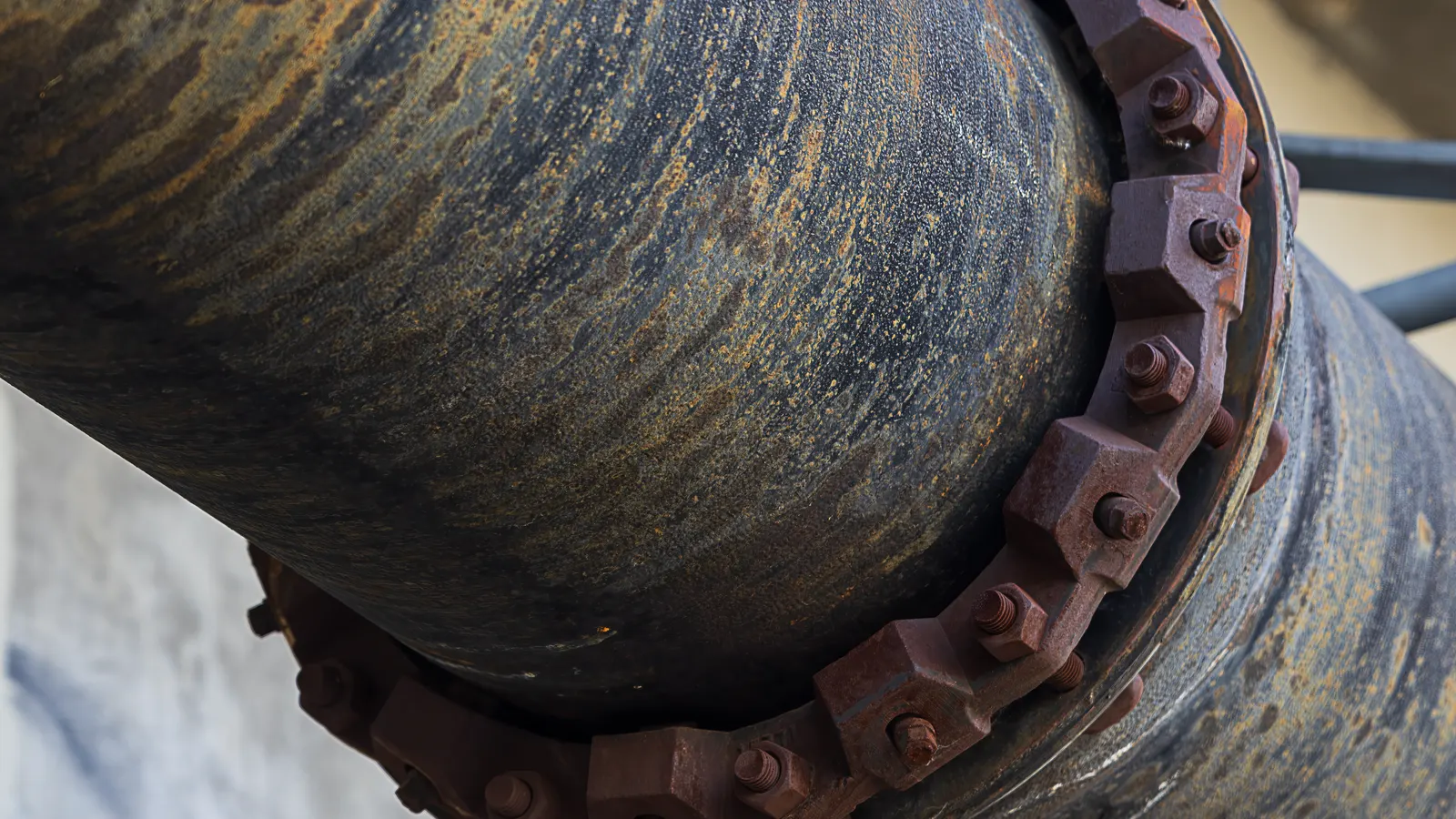
Marine environments combine salt, humidity, and mechanical stress in ways that ordinary structural fasteners cannot handle. A standard zinc plated bolt that performs well in a warehouse will often fail within a few cycles of tidal exposure. The failure is rarely sudden. It starts with pitting, then crevice corrosion, then thread damage. The result is a joint that looks intact but no longer carries load.
Buyers in shipbuilding, port infrastructure, marine platforms, and coastal structures need a repeatable method to select fasteners that will survive. The process starts with defining the actual exposure, not just the word “marine.”
Defining the Exposure Environment
The first question is where the fastener will sit. “Marine” is a broad term that covers several distinct conditions.
- Above water line, exposed to salt spray and UV.
- Tidal zone, where the fastener wets and dries regularly.
- Permanently submerged in saltwater.
- Inside a hull or deck structure, protected from direct spray but exposed to trapped moisture.
Each condition changes the failure mode. Salt spray attacks surface coatings. Tidal cycling causes galvanic effects at dissimilar metal joints. Submersion promotes crevice corrosion under washers and in blind holes. Trapped moisture inside a structure encourages rust under paint or plating.
When specifying a fastener, state the zone. A “coastal” specification may not be enough. A tidal zone specification must address both wet and dry conditions. A submerged specification must address hydrogen embrittlement if the joint is under tension.
Material Selection for Saltwater Service
Material choice is the foundation of marine fastener selection. The goal is to match the base metal to the environment.
Stainless Steels
Stainless fasteners are the default for many marine applications. The grade matters. Common grades include 300 series stainless for above-water exposure and 900 series stainless for high-strength, high-corrosion environments. The 900 series contains nickel and molybdenum, which improves resistance to pitting and crevice corrosion in saltwater.
The trade-off is cost and availability. High-grade stainless is expensive and can have long lead times. For high-stress joints, 900 series fasteners may be the only viable option. For low-stress clamping, 300 series may be sufficient.
Duplex and Super Duplex
Duplex stainless combines austenitic and ferritic phases. It offers higher yield strength than 300 series stainless and better pitting resistance. Super duplex grades push that resistance further. These materials are used in offshore platforms, desalination plants, and high-visibility marine structures where strength and corrosion resistance must both be high.
Alloyed Carbon Steels with Coatings
For cost-sensitive applications, alloyed carbon steel is often used with a durable coating. The base metal must be selected to resist pitting even if the coating is scratched. The coating then provides the primary barrier.
Aluminum and Magnesium
Aluminum fasteners are light and resist corrosion in many marine settings. However, they are soft and have lower yield strength. Magnesium is rarely used in marine environments because it corrodes rapidly in saltwater.
Galvanic Compatibility
If two dissimilar metals are in contact in the presence of an electrolyte, galvanic corrosion occurs. The more active metal corrodes to protect the more noble metal. This is a common mistake in marine assemblies. A stainless bolt in an aluminum bracket, for example, will corrode at the interface if not isolated.
The rule is simple: avoid direct contact between dissimilar metals where possible. If contact is unavoidable, use a dielectric washer or insulating sleeve.
Coating Systems and Their Limits
Coatings extend the life of fasteners, but they are not a substitute for material selection. A coating on the wrong base metal will fail. A coating with poor edge coverage will fail.
Zinc Aluminize
Zinc aluminize deposits a zinc-aluminum alloy on the surface. It offers good general corrosion resistance and is often used in marine hardware. The coating is thicker than standard zinc plating and provides better scratch resistance.
Hot Dip Galvanizing
Hot dip galvanizing is a thick zinc coating. It is mechanically durable and good for general steel structures. However, the zinc layer is brittle, and the coating is not always suitable for high-strength stainless or alloy fasteners. It is also difficult to apply to small, complex parts.
Passivation and Passivation Treatment
Stainless fasteners often require passivation to form a chromium oxide layer on the surface. This layer improves passivation resistance in saltwater. The treatment must be done after machining and before final assembly.
Powder Coating and Epoxy
Powder coating is durable but thick. It is rarely used on high-stress bolt threads because it can interfere with torque and thread engagement. Epoxy coatings are used in some marine applications but can crack under vibration.
Coating Inspection
Before installation, verify coating thickness and edge coverage. Look for thin spots at threads, corners, and under washers. A coating that is 50 microns thick on a flat face but 5 microns on a thread will fail at the thread.
Joint Design and Thread Considerations
The fastener is only one part of the joint. Design determines how long the joint lasts.
Thread Engagement
Short thread engagement increases stress on the thread. Long thread engagement reduces stress but can cause uneven load distribution. For marine joints, aim for at least 1.5 times the bolt diameter in thread engagement unless the design says otherwise.
Washer Use
Washers increase bearing area and reduce contact pressure. In marine environments, washers also provide a barrier for dissimilar metals. Use flat washers for general clamping. Use spring washers only where vibration control is specifically required, because they do not add significant corrosion protection.
Sealing
Crevice corrosion is a major failure mode. Sealing threads and joint interfaces with a compatible sealant reduces moisture ingress. The sealant must be compatible with the fastener material and the surrounding structure.
Avoiding Crevice Traps
Design joints so that water does not pool. Use chamfered edges and open channels where possible. Avoid deep blind holes where saltwater can sit without draining.
Verification and Documentation
A fastener specification is only as good as the documentation behind it.
- Material certificates for each heat lot.
- Coating thickness reports.
- Passivation test results for stainless fasteners.
- Dimensional inspection reports for critical joints.
- Torque and preload verification for high-stress assemblies.
These documents support audits, warranty claims, and future maintenance. They also protect the buyer when a joint fails in service.
Cost and Lead Time Trade-offs
High-grade marine fasteners cost more and take longer to source. The cost difference between a 300 series stainless bolt and a 900 series stainless bolt is significant. Lead times can extend from weeks to months depending on the grade and quantity.
The trade-off is not just price. It is risk. A cheaper fastener that fails in a tidal zone can cause structural damage, downtime, and safety issues. The cost of failure usually exceeds the cost of the premium material.
When evaluating cost, include the expected service life. A fastener that lasts 20 years in a tidal zone is cheaper per year than one that lasts 2 years.
Decision Checklist
Use this checklist before finalizing a marine fastener specification.
- Define the exposure zone: spray, tidal, submerged, or protected.
- Select the base material based on strength and corrosion resistance.
- Check galvanic compatibility with all adjacent materials.
- Specify the coating system and verify edge coverage.
- Review thread engagement and washer design.
- Require material and coating documentation.
- Verify torque and preload for high-stress joints.
- Plan for inspection access and future maintenance.
Marine fastener selection is not a one-time decision. It is a set of choices that must work together. Material, coating, design, and documentation all interact. When they align, the joint holds. When they do not, the joint corrodes.
The goal is not to find the strongest fastener available. The goal is to find the right fastener for the specific environment.
Frequently asked questions
What is the difference between marine grade and high grade stainless fasteners?
Marine grade stainless usually refers to 300 series grades with good general corrosion resistance. High grade or 900 series stainless includes molybdenum for better pitting and crevice corrosion resistance in saltwater.
Can I use zinc plated steel bolts in a tidal zone?
Zinc plated steel bolts are not recommended for tidal zones because the coating will degrade quickly under wet-dry cycling. Use stainless, duplex, or a heavy-duty aluminized coating with proper design.
How do I prevent galvanic corrosion in a marine assembly?
Avoid direct contact between dissimilar metals. If contact is required, use a dielectric washer or insulating sleeve. Ensure the more active metal is sacrificial and protected by the more noble metal.
Do I need special documentation for marine fasteners?
Yes. Request material certificates, coating thickness reports, and passivation results. These documents support audits, warranty claims, and maintenance planning.
How often should marine fasteners be inspected?
Inspection frequency depends on the exposure zone and criticality of the joint. Tidal and submerged zones require more frequent inspection than above-water zones.