Standards & Grades
Explaining Grade Markings: ISO 898 vs DIN 5267
ISO 898 and DIN 5267 are distinct standards for high-strength fasteners. ISO 898 classifies by material class and mechanical properties, while DIN 5267 often references
Understand fastener standards and grade markings to ensure compliance and consistent performance across international procurement.
ISO 898 and DIN 5267 are distinct standards for high-strength fasteners. ISO 898 classifies by material class and mechanical properties, while DIN 5267 often references
The right fastener standard depends on where the part will be installed. Buyers must match regional specs to local building codes and material certifications. This guide
Upcoming ISO standard revisions change material grades, testing requirements, and documentation formats. This guide outlines five procurement shifts and preparation
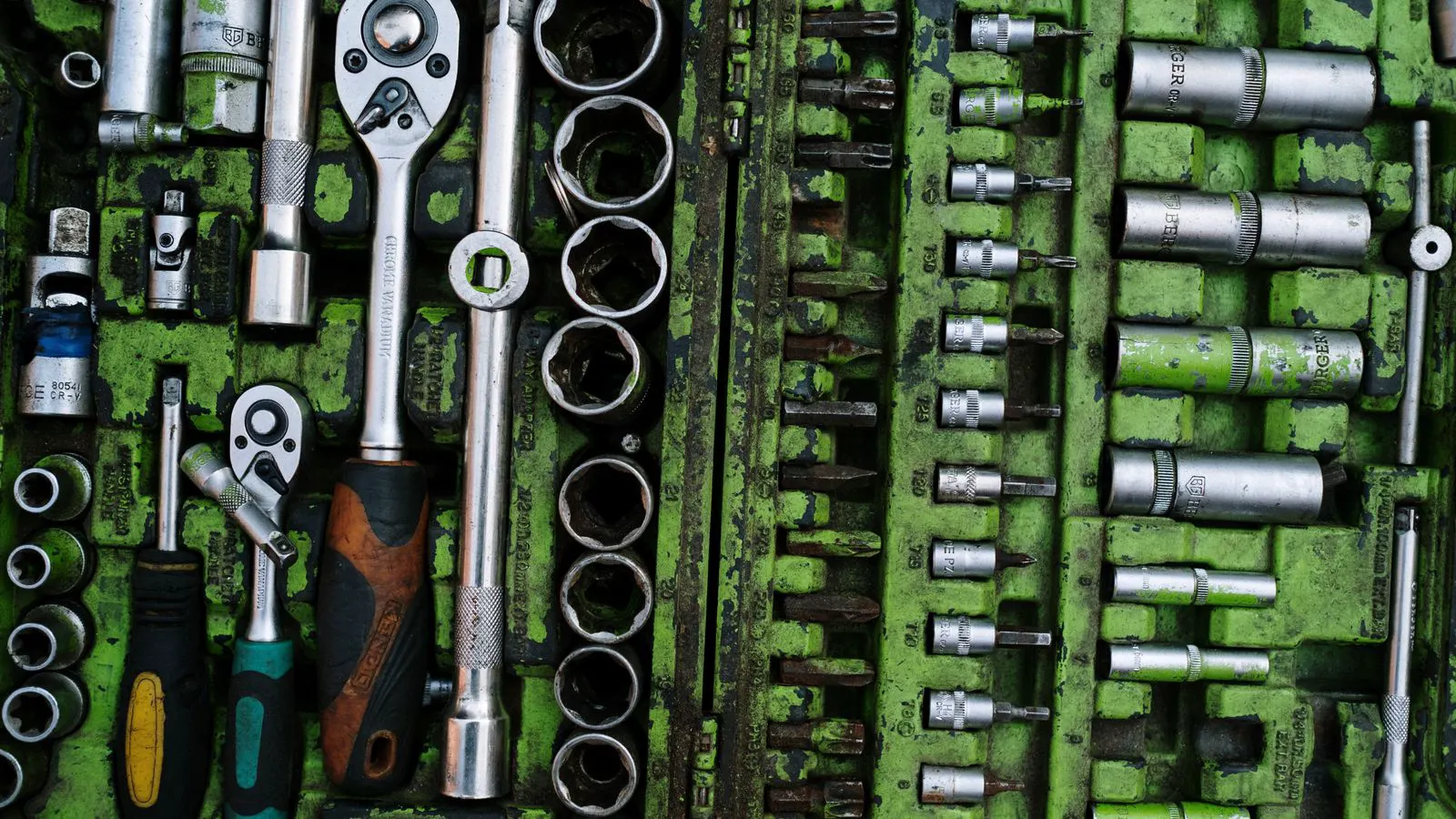
ASTM A490 bolts require close inspection of the head stamp and mill test certificates. This guide explains how to read grade markings, verify heat numbers, and confirm
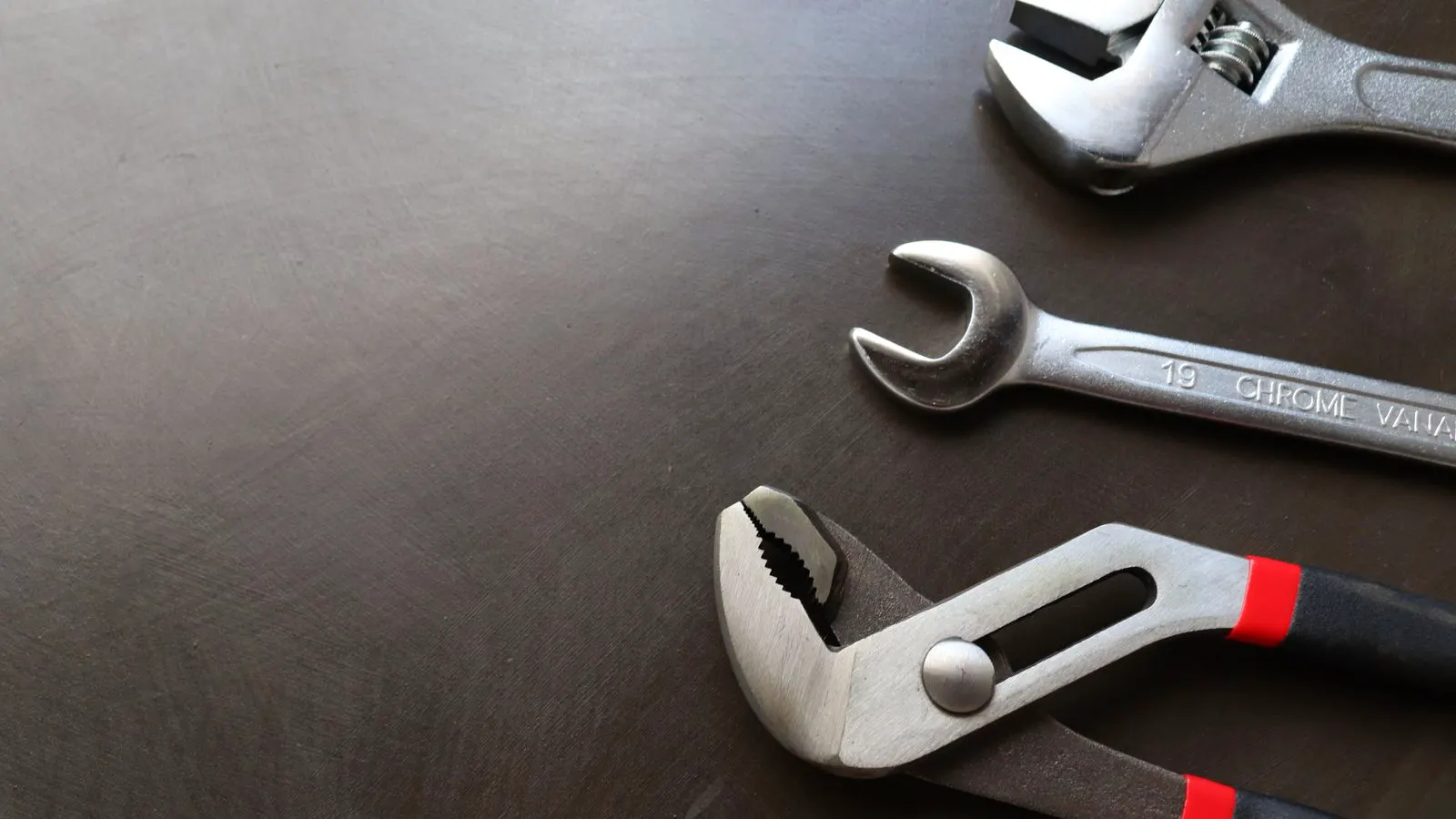
ISO and DIN bolt standards differ in geometry, material grades, and documentation. Buyers align them by matching thread dimensions and material specifications to avoid
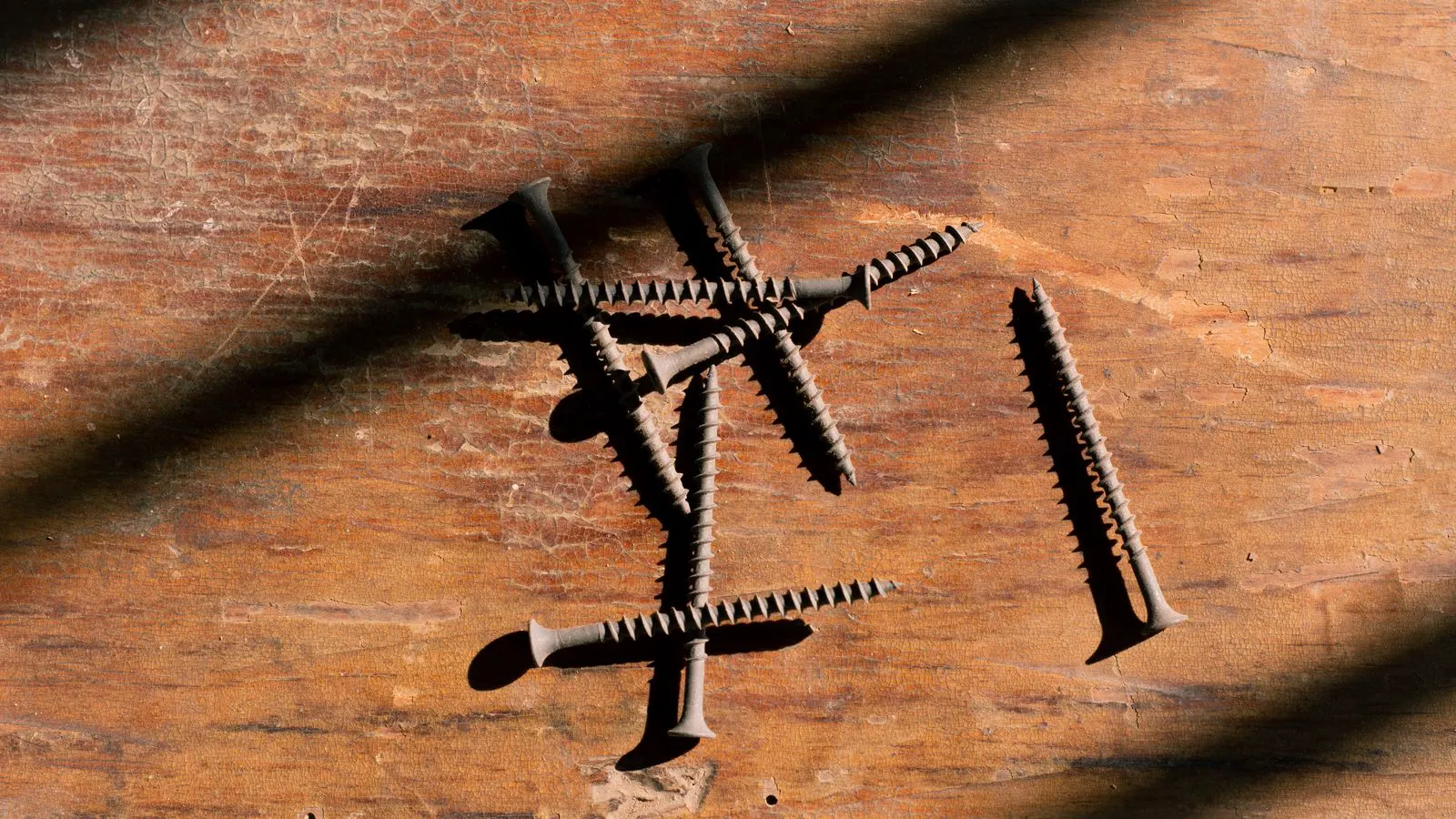
Upcoming changes in international standards are reshaping bolt grade selection. This outlook covers five practical shifts buyers must plan for. Learn how material
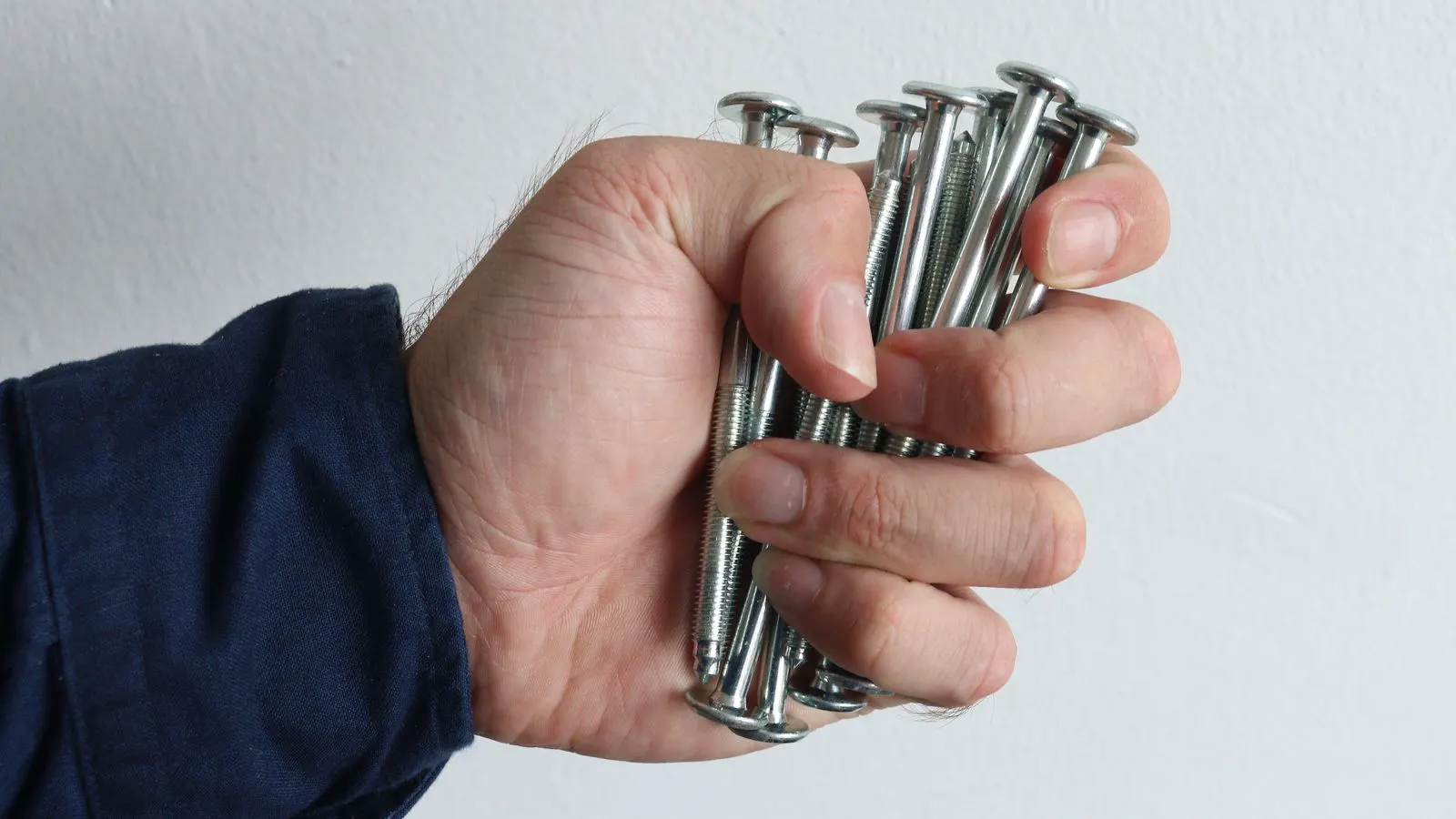
This guide outlines a practical fastener compliance checklist for importers. It covers required documents, material verification methods, and inspection checks to ensure
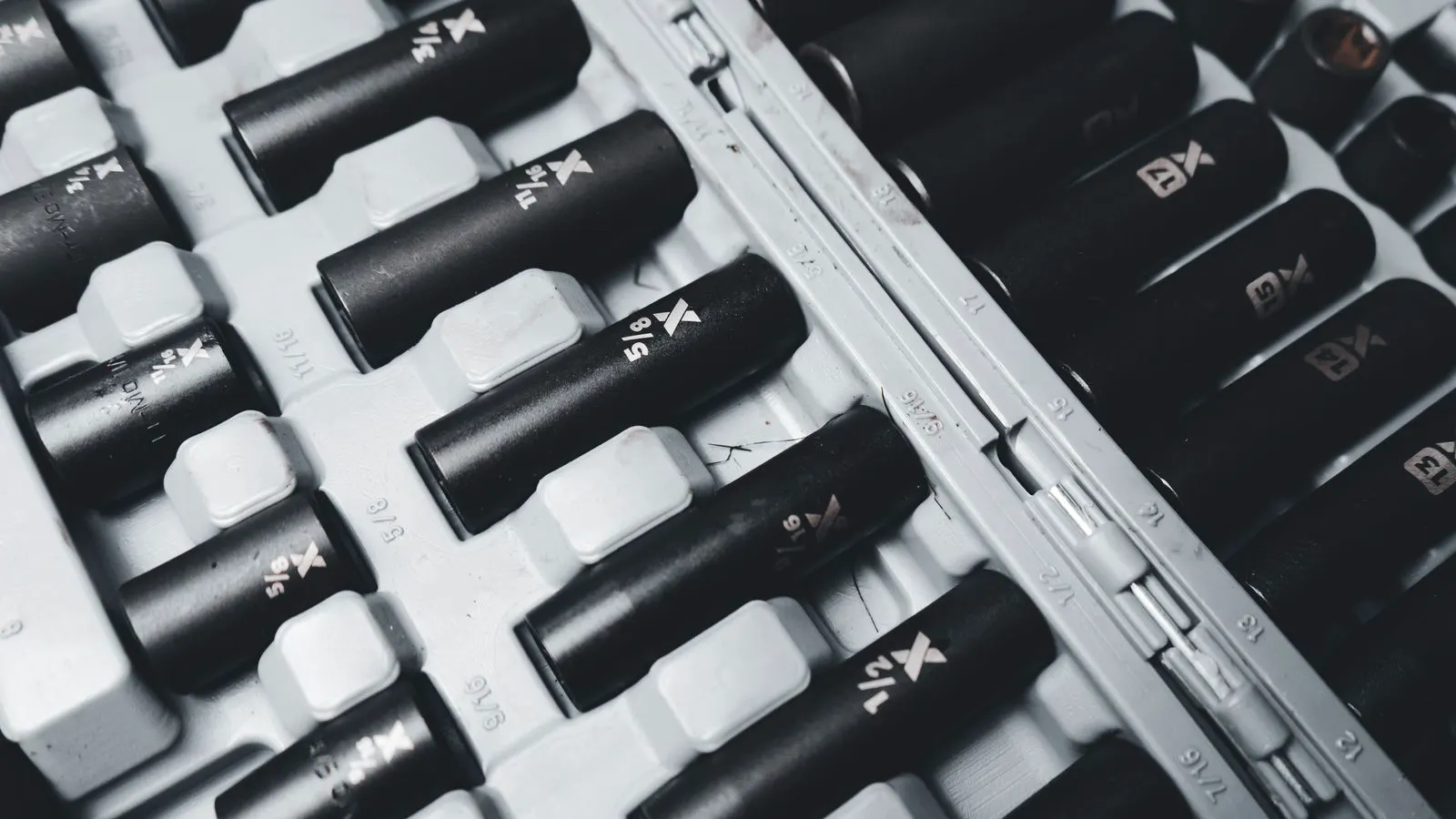
Hex socket cap screws offer low profiles and tool access from above, while hex head bolts are cheaper and easier to assemble with standard wrenches. The choice depends
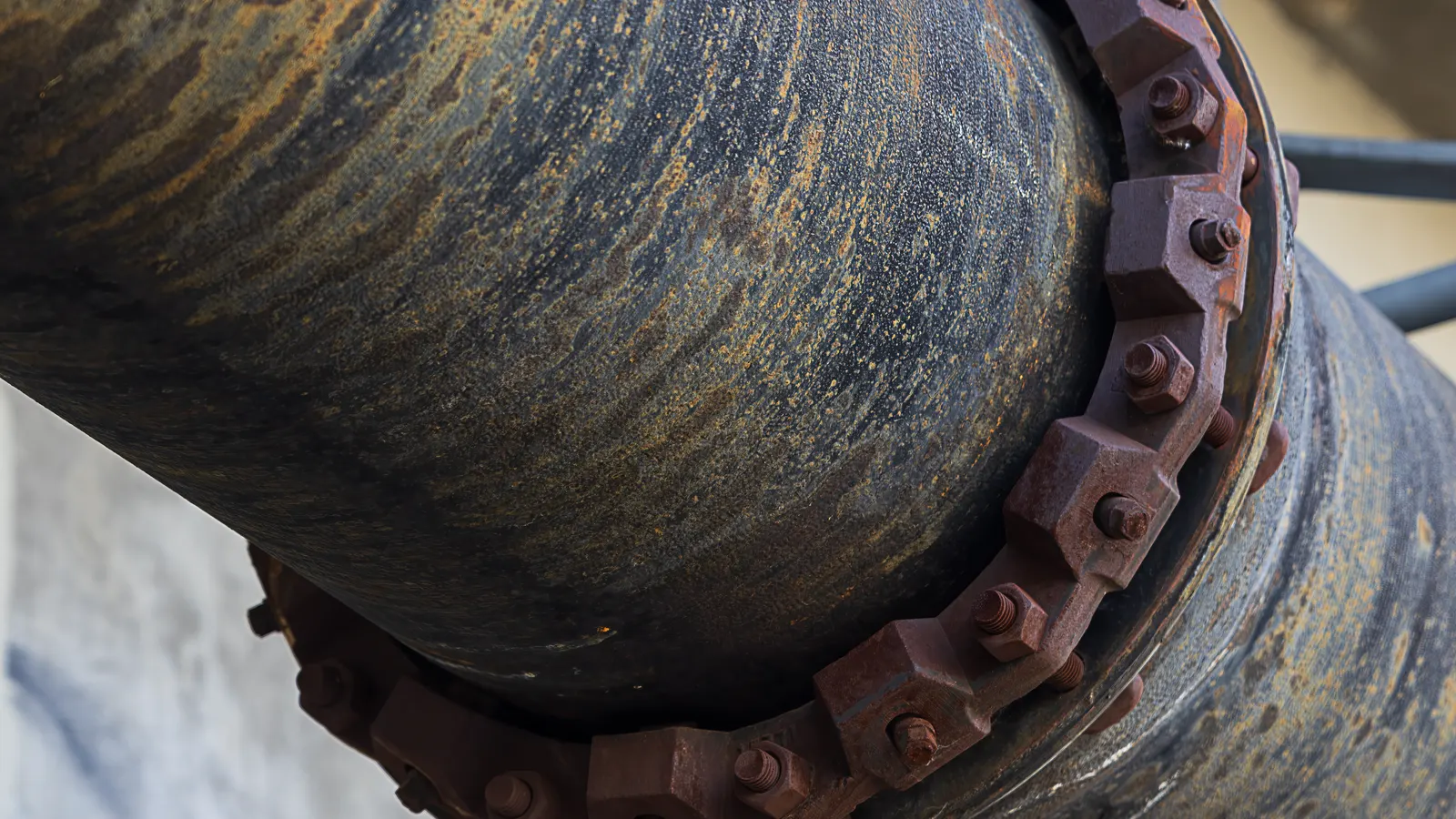
Marine fastener selection requires matching material chemistry, coating durability, and joint design to specific saltwater conditions. This guide outlines the key
Grade 8.8 identifies the mechanical ratio between yield and ultimate tensile strength for carbon steel bolts. It defines the load limits for structural applications.
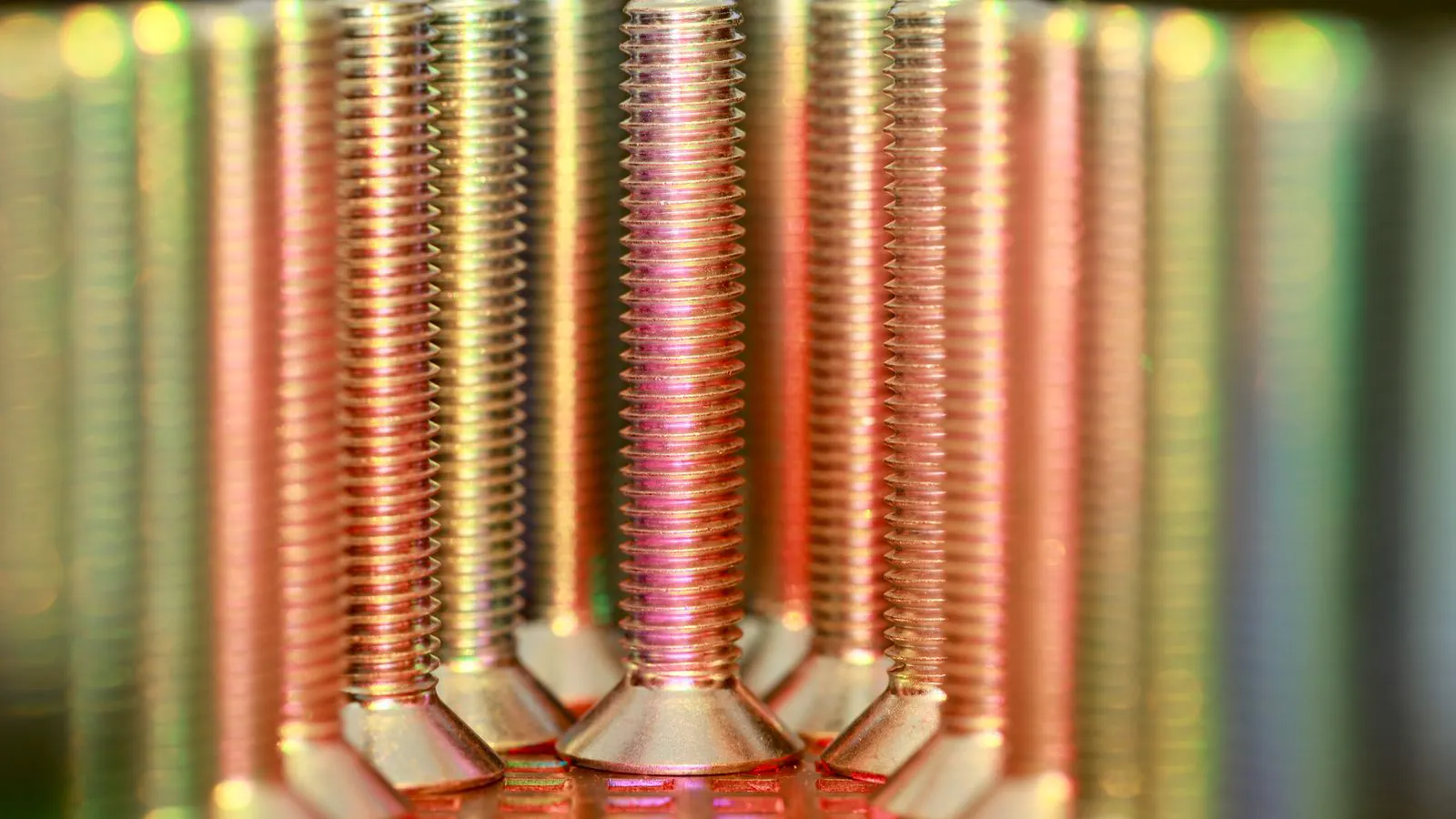
Stripped fastener threads usually result from corrosion, misalignment, or improper torque. This guide lists common symptoms, likely causes, and repair methods, including
Stainless fastener lead time fluctuates based on alloy availability, heat treatment capacity, and global logistics. Current stainless bolt cost trends are driven by