
Quality & Testing
Checklist for Incoming Fastener Material Certs
Verify fastener material certificates by checking the mill test report for EN 10204 compliance, heat numbers, chemical analysis, mechanical test results, and
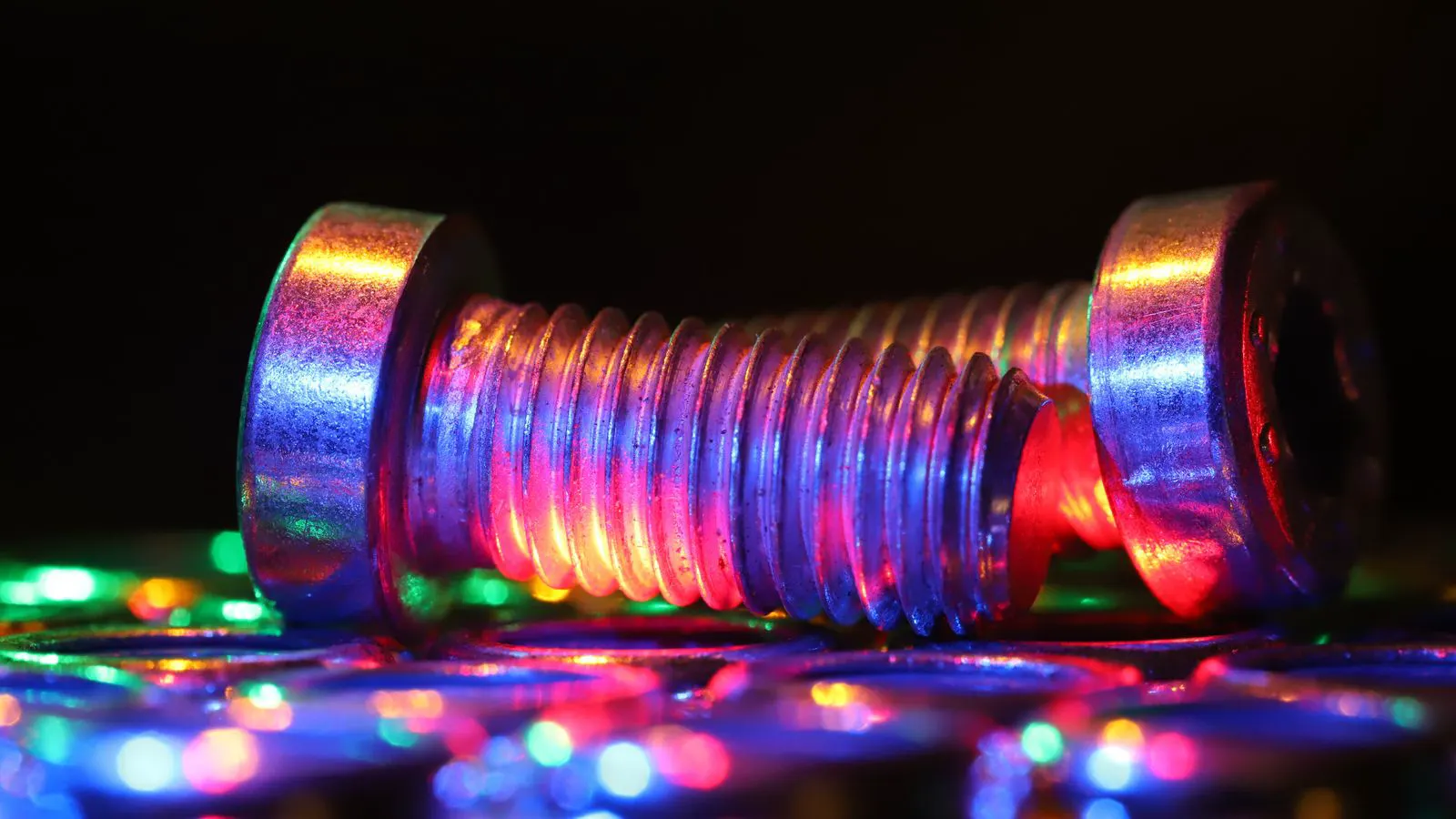
Review common fastener tests and quality checks to verify strength, dimensions, and material integrity before receiving shipments.
Verify fastener material certificates by checking the mill test report for EN 10204 compliance, heat numbers, chemical analysis, mechanical test results, and
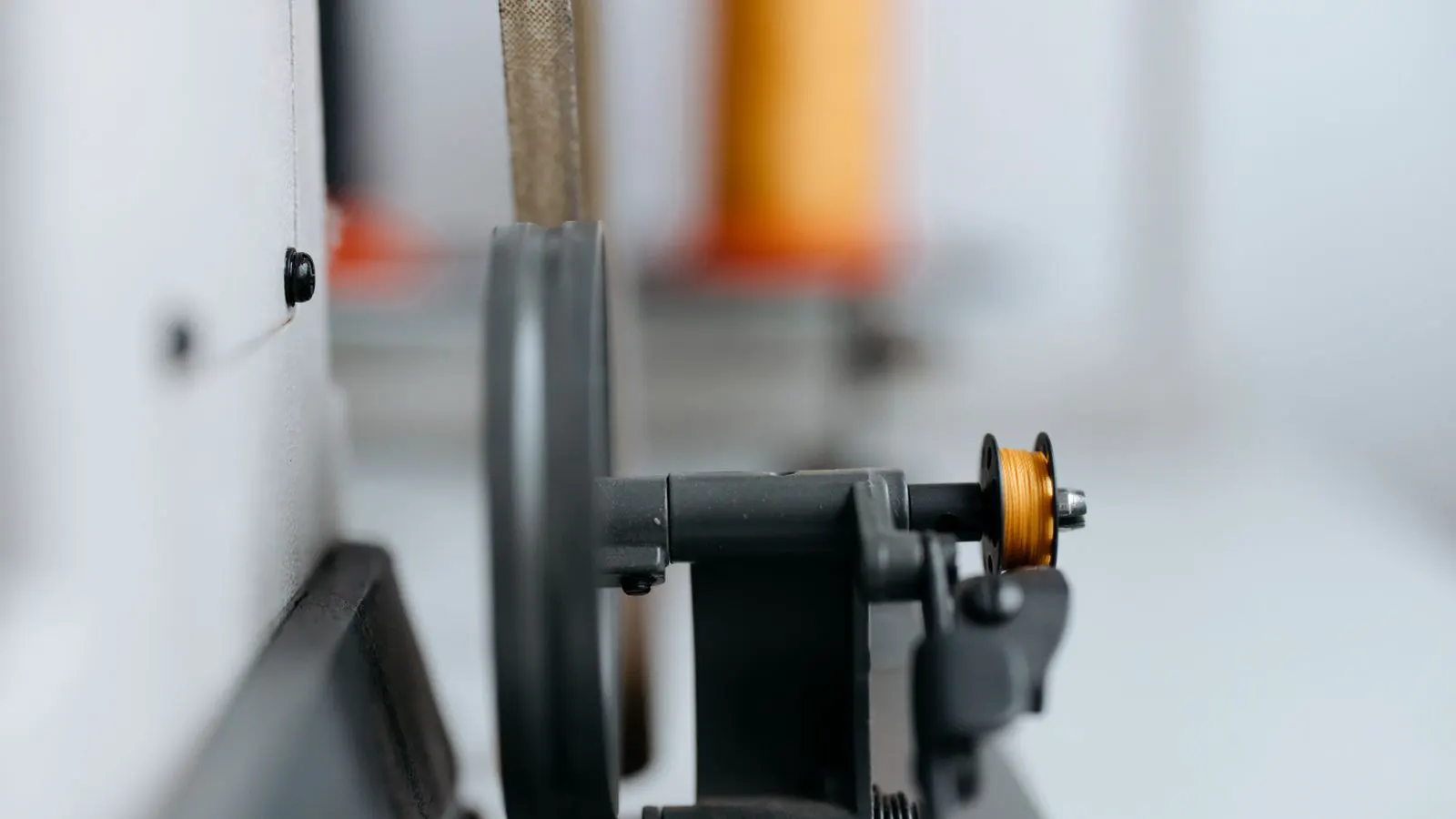
Apply a structured thread inspection protocol to sort damaged fasteners. Use thread gauges to measure wear, apply defect triage rules to classify severity, and select

A reliable quality control lab must hold ISO 17025 accreditation for the specific test methods required. Verify their scope, equipment calibration, and ability to issue
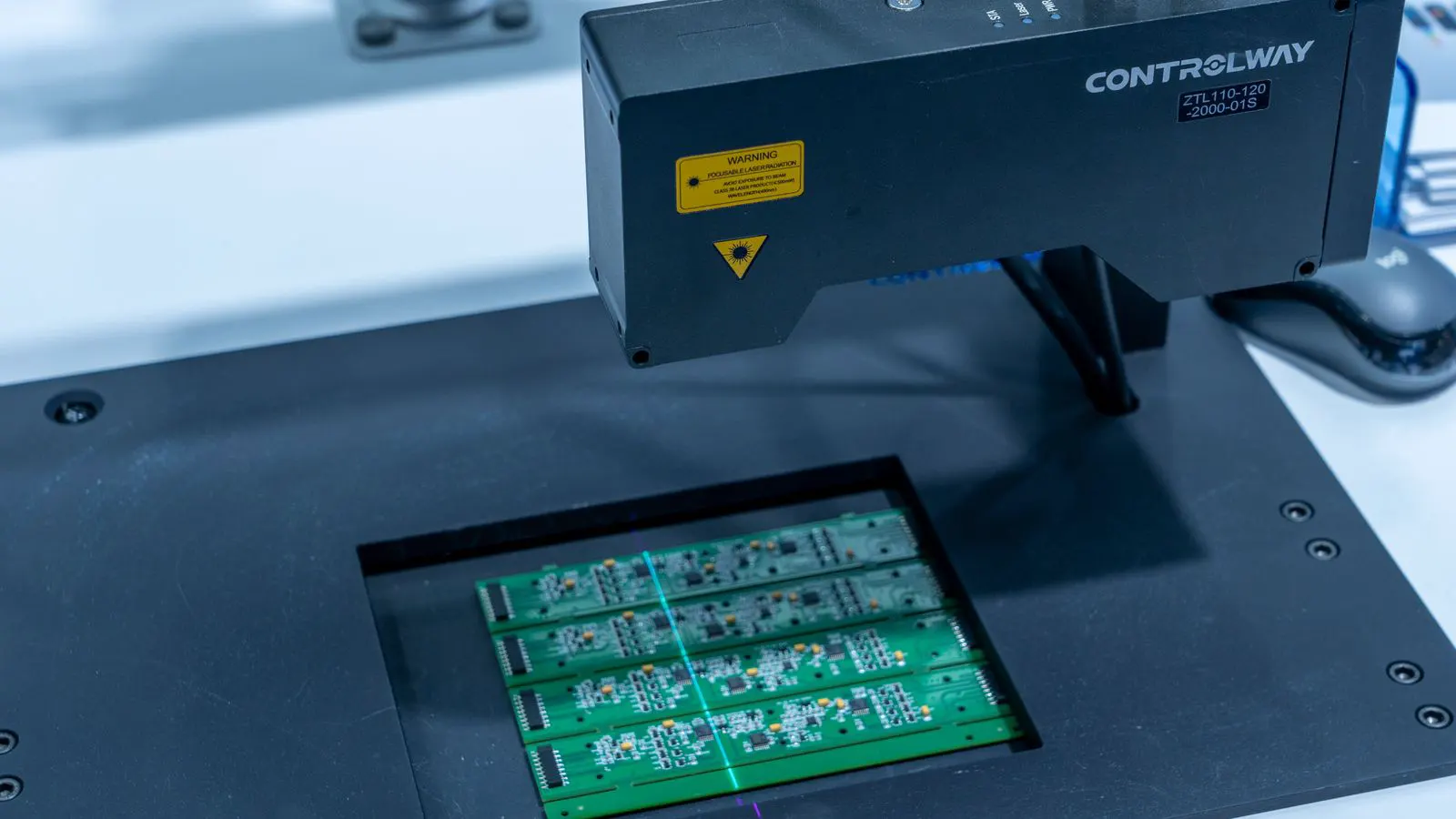
AI-based inspection tools are maturing but are not yet a complete replacement for manual checks. They excel at high-volume screening and data tracking but still struggle
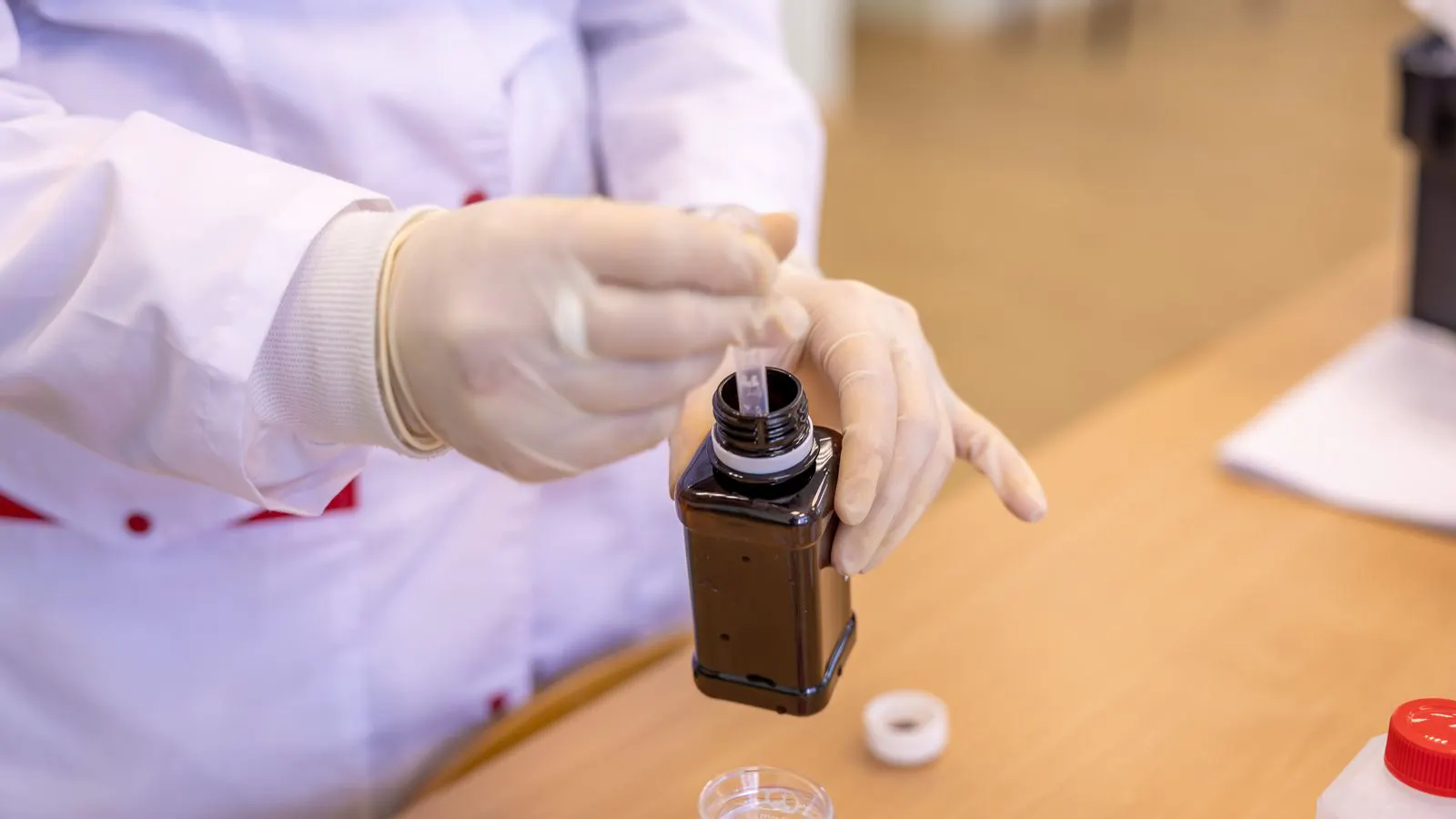
Inconsistent tensile test results usually trace back to human error in sample preparation or machine setup. This guide explains how gauge length, cross-section
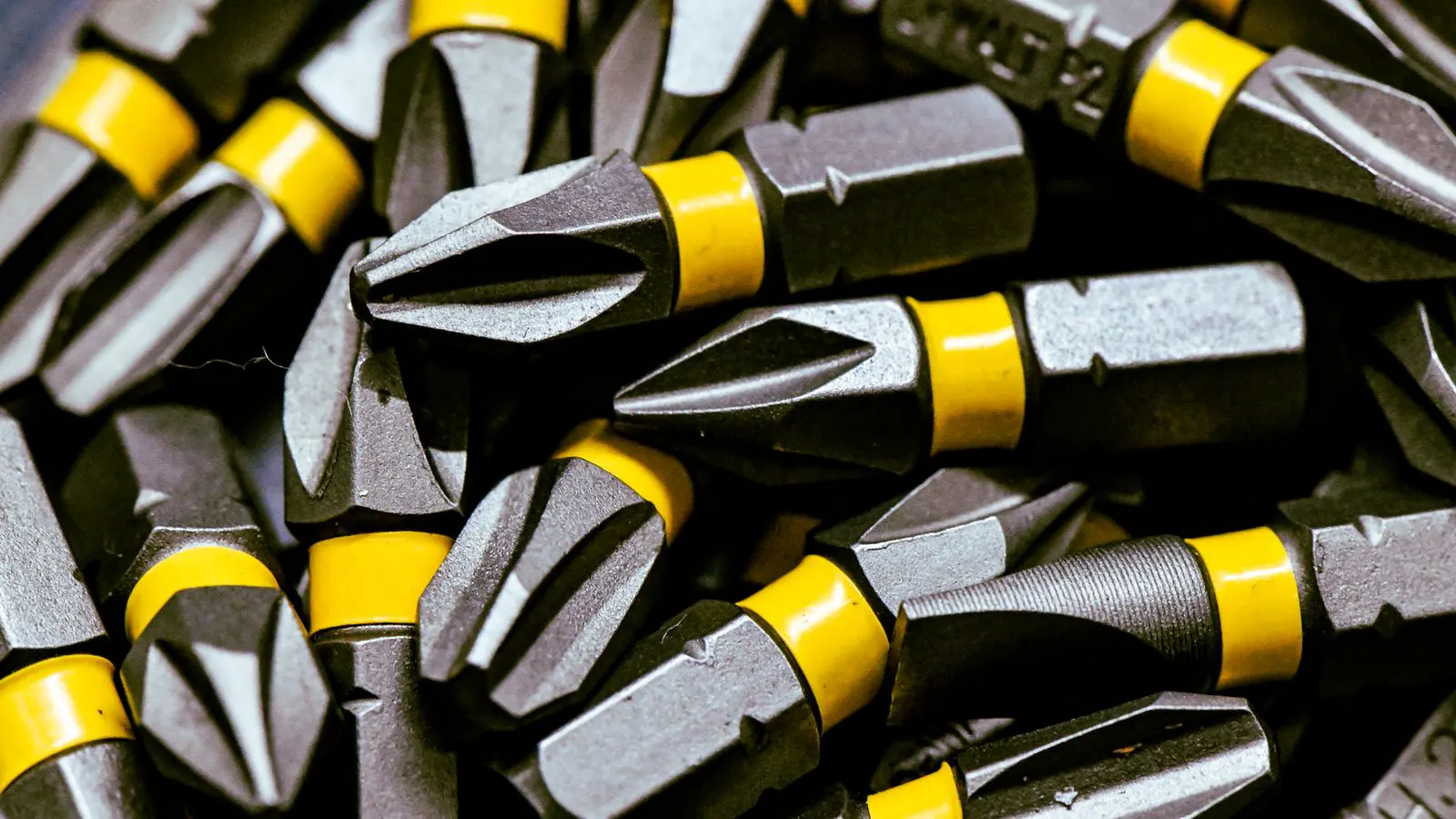
Field fastener hardness testing allows buyers to verify high-strength bolt compliance on-site. This guide outlines the prerequisites, step-by-step procedure, and common

Global regulations are tightening requirements for fastener traceability. Quality control is moving from simple inspection to full lifecycle documentation. Buyers must
Torque-to-yield testing verifies that a fastener reaches its specified yield stress under controlled tightening. It confirms the material and geometry work together to
Verifying high strength bolt specifications requires checking mill certificates, heat numbers, and mechanical test reports. This guide details the specific documents and
Hardened fasteners offer higher strength but lower ductility compared to standard grade 8 bolts. The comparison depends on load type, safety margins, and joint design.
Certified bolts fail under vibration due to looseness, material fatigue, or incorrect grade selection. Proper fastener testing and maintenance prevent these issues. This
Certified steel bolts cost more than unverified ones because of material traceability, testing, and compliance documentation. Understanding these drivers helps buyers