
Bolts & Screws
Outlook: Trends in High-Strength Bolt Manufacturing
High strength bolt manufacturing is shifting toward tighter process control, traceable digital records, and material verification. Buyers should plan for better quality

Learn bolt and screw types, thread standards, lengths, and applications to select the right fasteners for your industrial projects.
High strength bolt manufacturing is shifting toward tighter process control, traceable digital records, and material verification. Buyers should plan for better quality
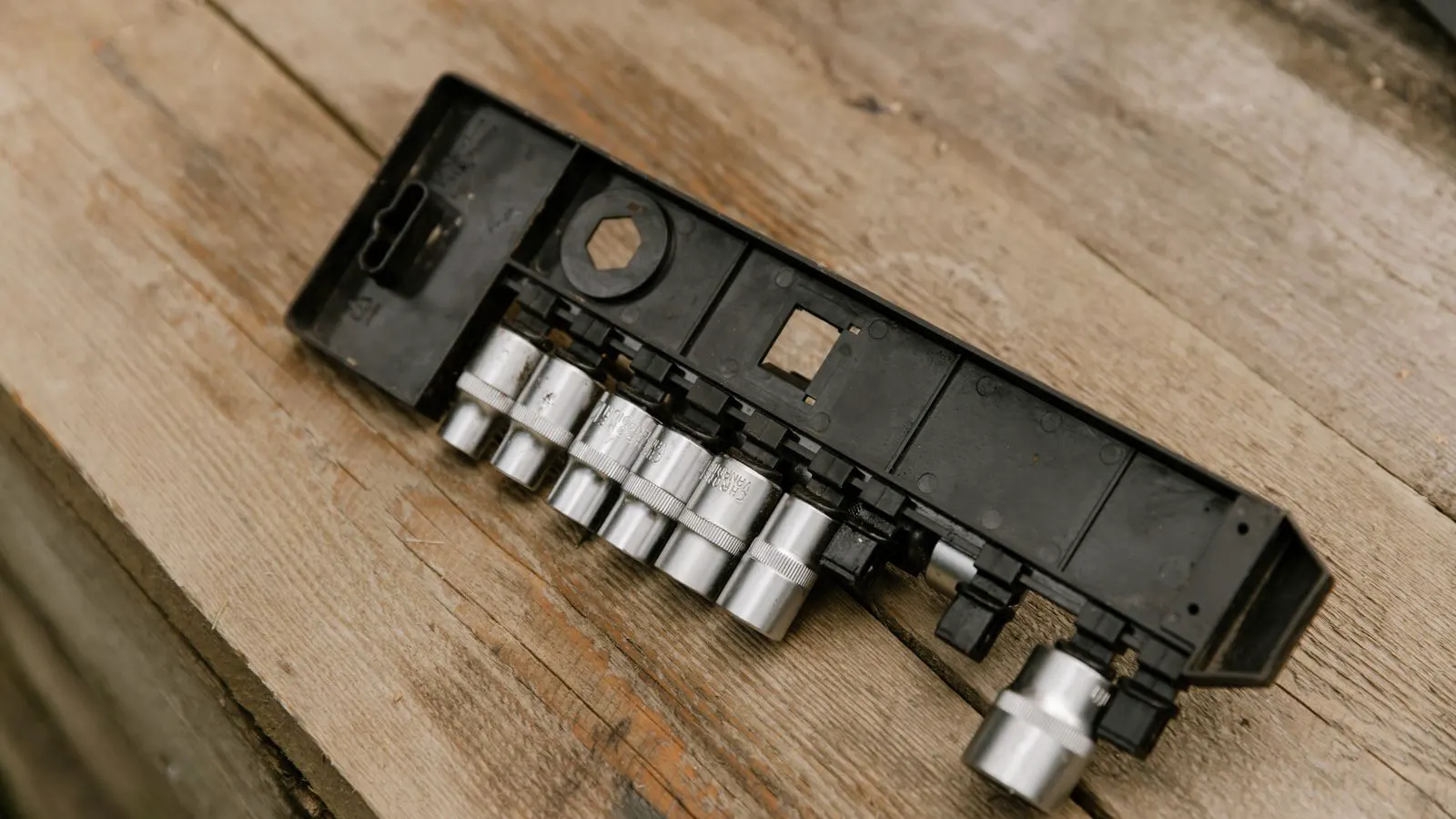
Zinc plating offers a lower-cost finish but requires regular maintenance in wet environments. Stainless steel provides superior long-term corrosion resistance with

High-grade anchor bolt costs depend on material grade, finish, and quantity. Lead times vary with production capacity and logistics. Clear RFQs and standardized
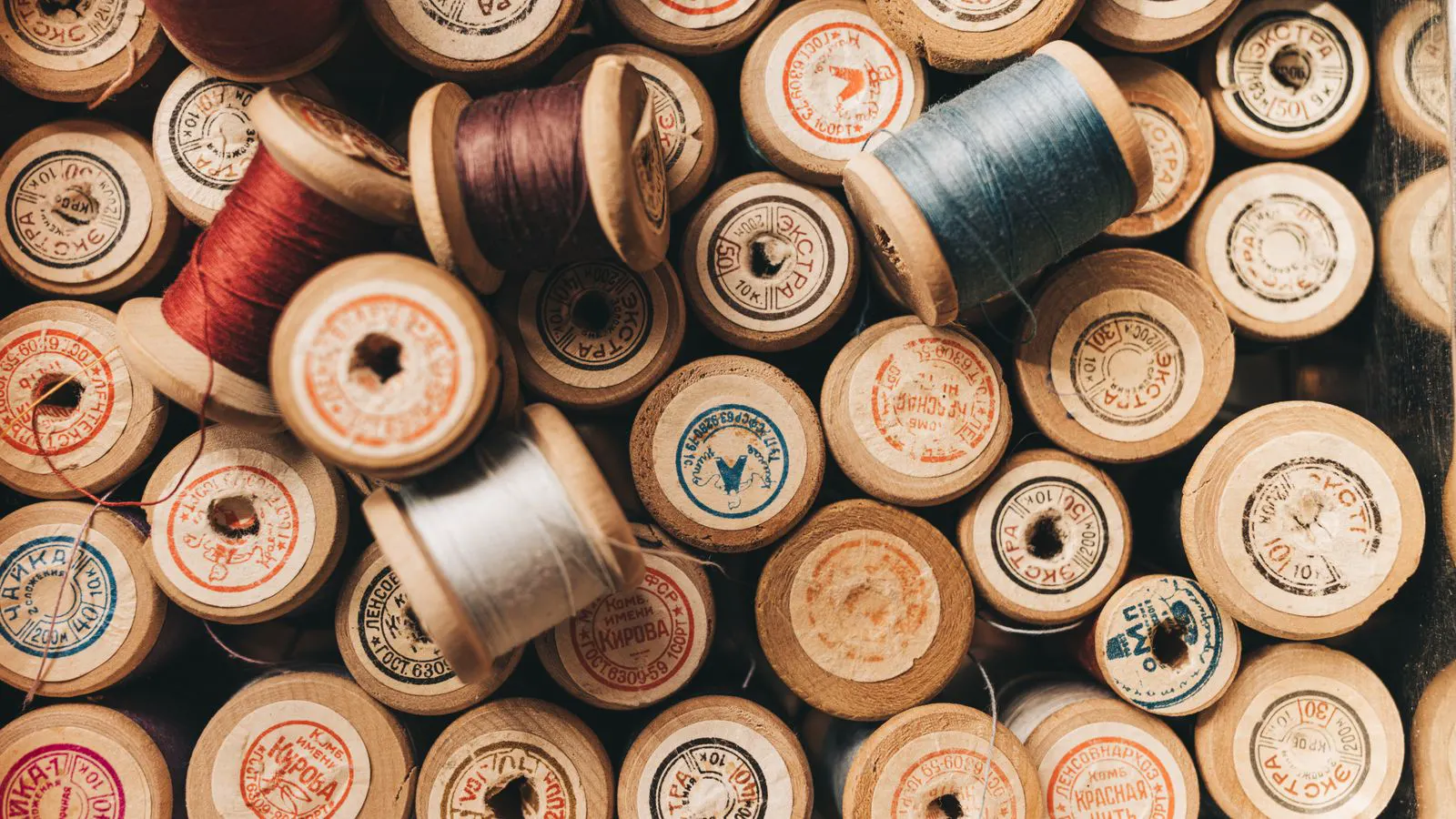
Metric bolt threads vary in form, pitch, and standard design. These differences determine interchangeability and fit. Procurement teams must verify thread form before
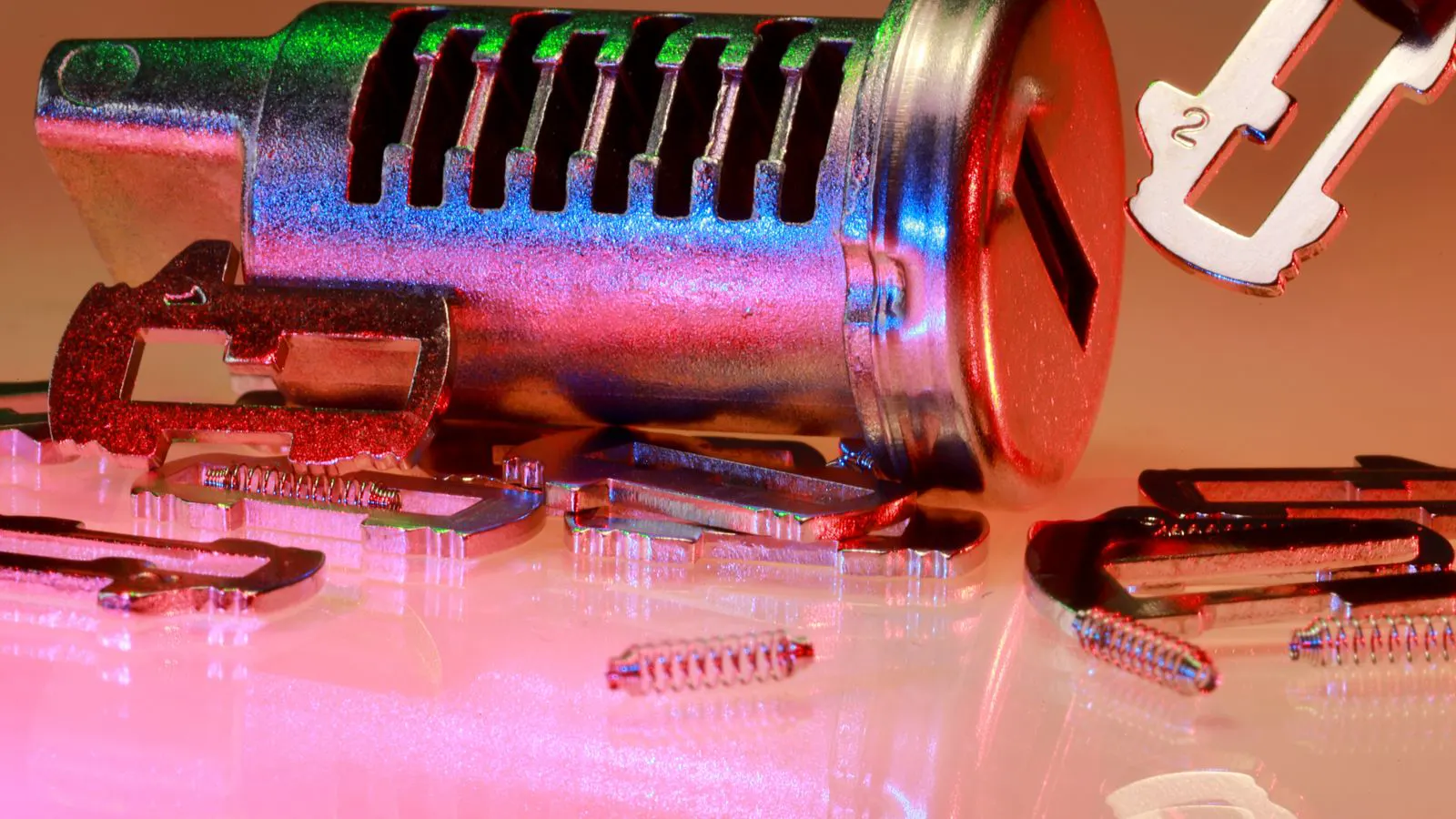
Field failures with self tapping screws usually trace back to pilot hole errors, material mismatch, or tool misuse. This guide lists common symptoms, isolates the root
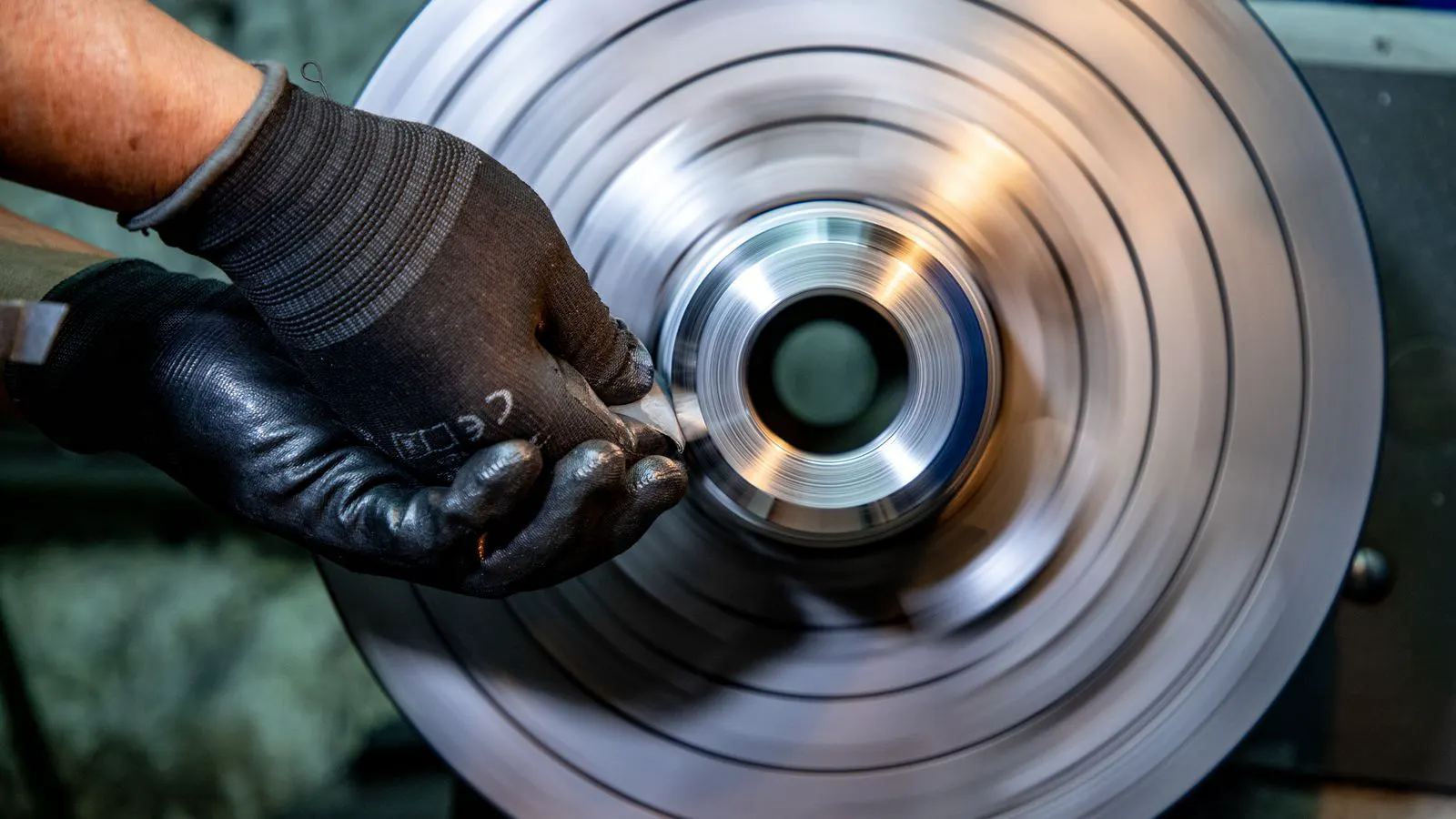
This checklist covers the specifications needed to order correct threaded inserts for aluminum. It highlights sizing, thread standards, material compatibility, and

Bolt sourcing lead time determines when fasteners arrive and how much stock you must hold. It impacts project milestones, budget accuracy, and production flow.
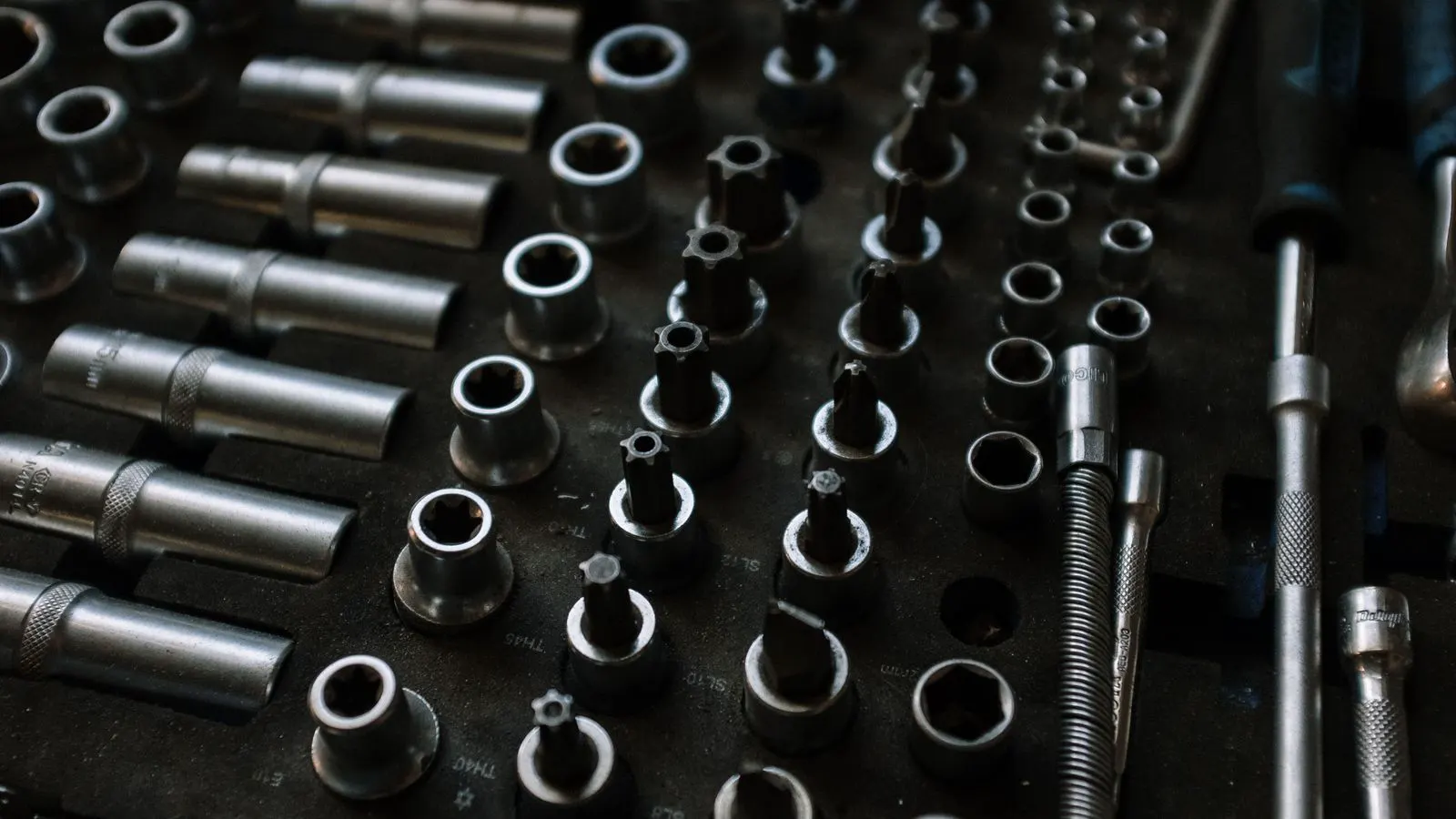
A bolt spec checklist helps buyers confirm material grade, thread standard, finish, and dimensions before purchase. This guide lists the specific documents and physical
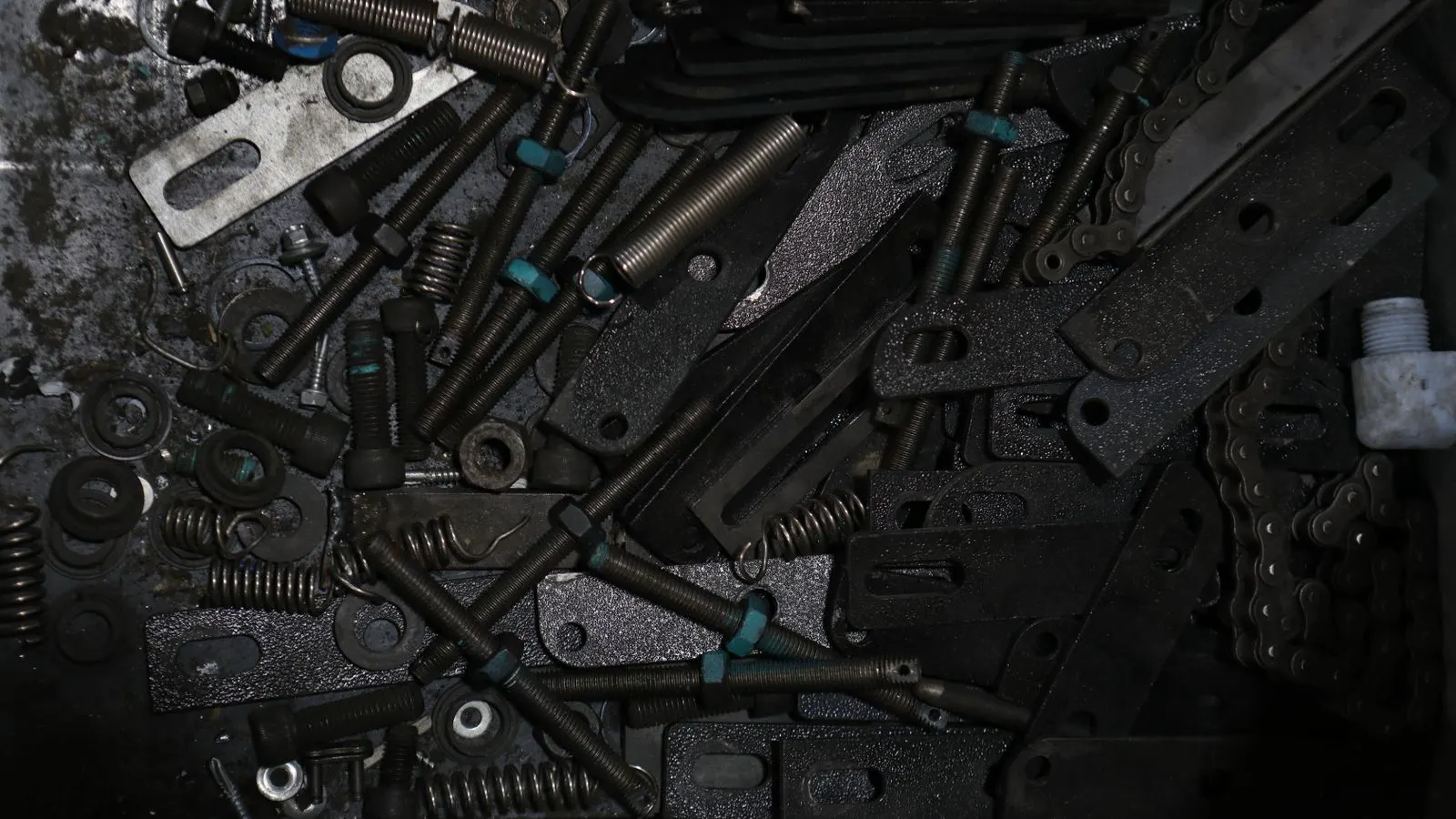
High yield steel fasteners face shifting supply dynamics driven by mill capacity, logistics, and demand cycles. Buyers should plan for longer lead times, tighter quality
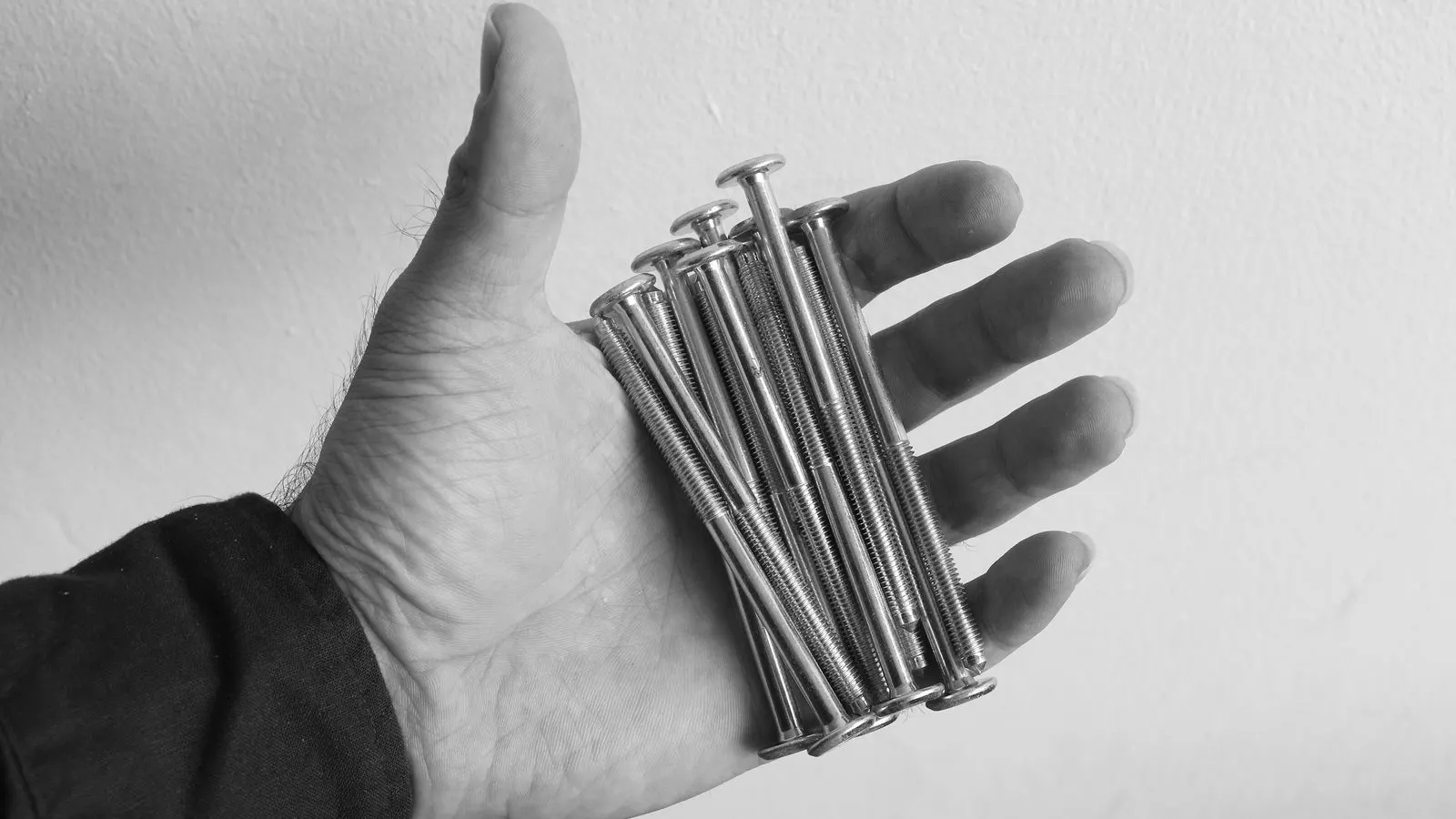
Thread pitch standards define the spacing of thread crests. Coarse threads are easier to assemble and resist cross-threading. Fine threads provide a higher thread
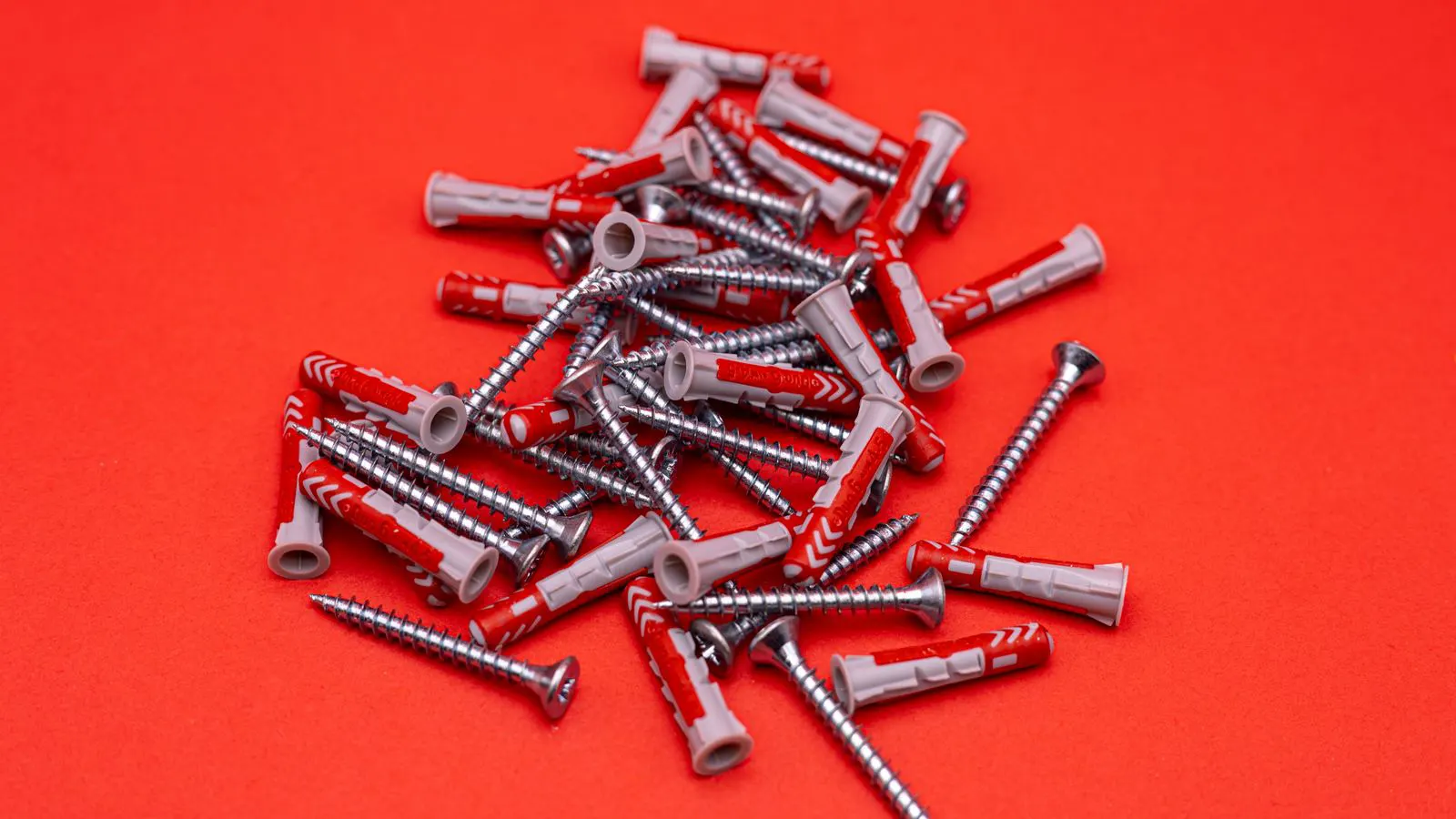
Hex heads suit high-torque work and tight clearances, while socket cap screws suit clean aesthetics and standard clearance. The right pick depends on the load, the
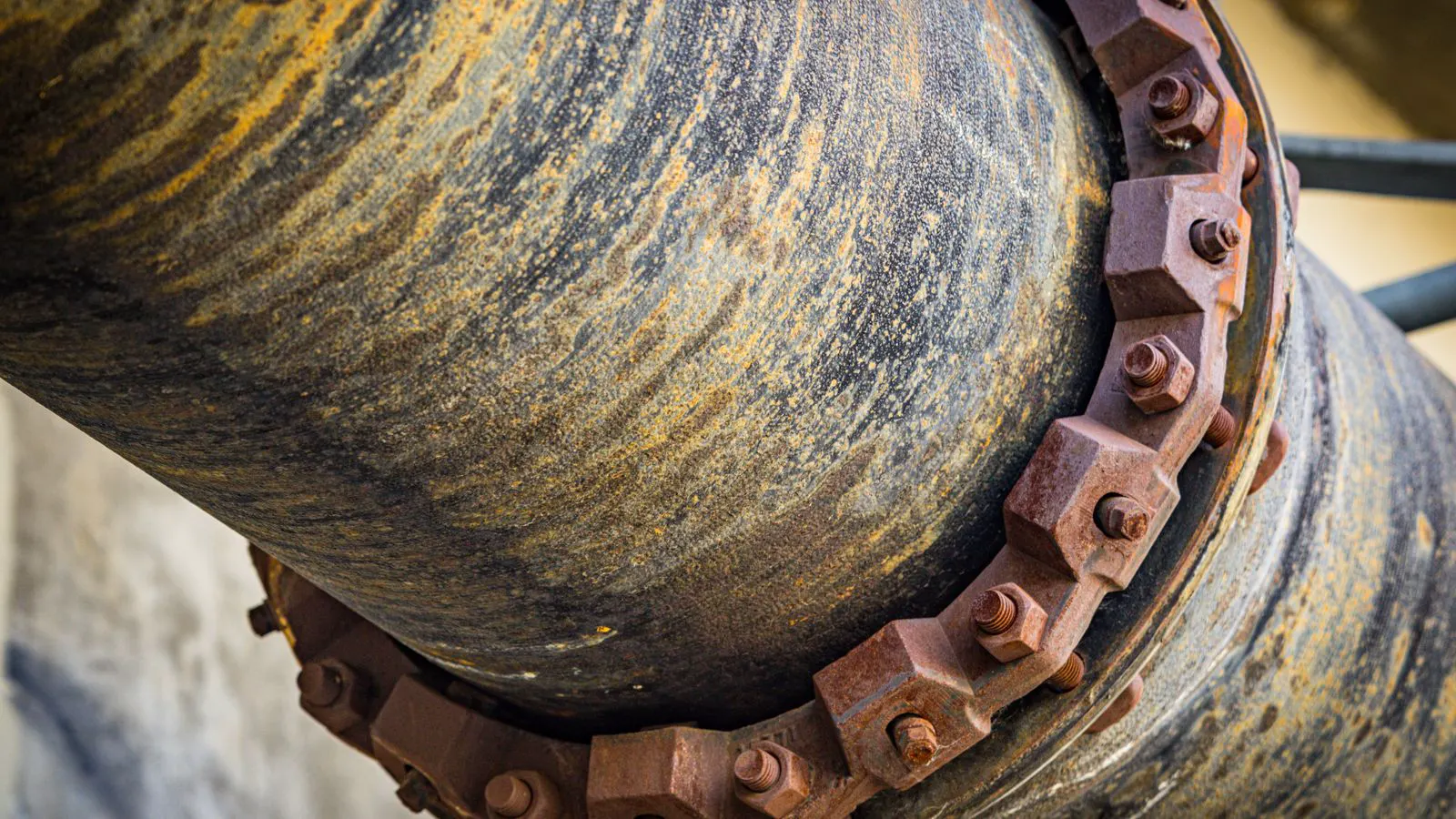
A correct bolt torque procedure requires clean surfaces, the right tool, and a defined sequence. By controlling preload and avoiding over-tightening, you ensure fastener